
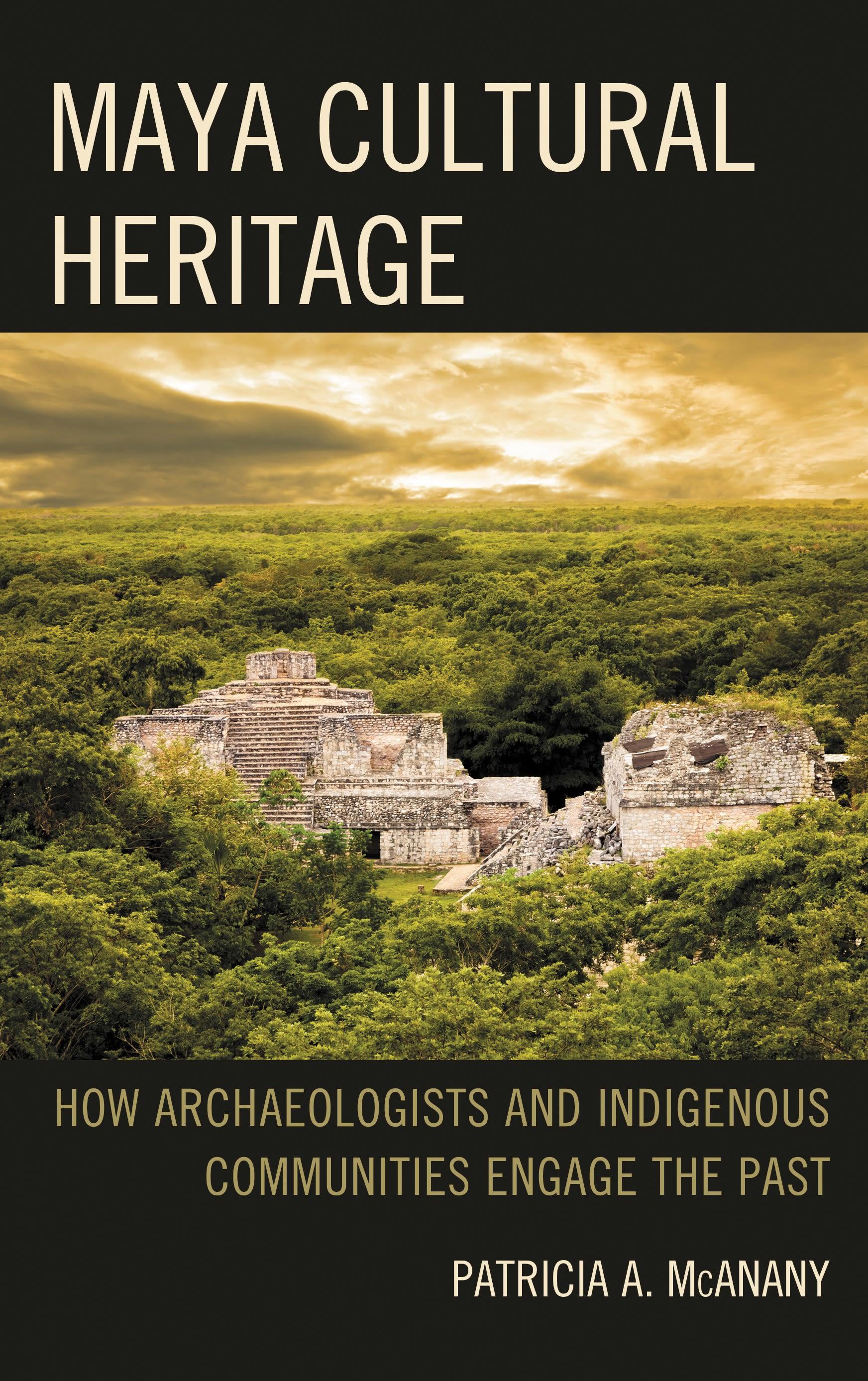
Situated at the intersection of cultural heritage and local community, this book enlarges our understanding of the Indigenous peoples of southern México and northern Central America who became detached from “the ancient Maya” through colonialism, government actions, and early twentieth-century anthropological and archaeological research. Through grass-roots heritage programs, local communities are reconnecting with a much valorized but distant past.
Maya Cultural Heritage explores how community programs conceived and implemented in a collaborative style are changing the relationship among, archaeological practice, the objects of archaeological study, and contemporary ethnolinguistic Mayan communities. Rather than simply describing Maya sites, McAnany concentrates on the dialogue nurtured by these participatory heritage programs, the new “heritage-scapes” they foster, and how the diverse Maya communities of today relate to those of the past.
Maya Cultural Heritage explores how community programs conceived and implemented in a collaborative style are changing the relationship among, archaeological practice, the objects of archaeological study, and contemporary ethnolinguistic Mayan communities. Rather than simply describing Maya sites, McAnany concentrates on the dialogue nurtured by these participatory heritage programs, the new “heritage-scapes” they foster, and how the diverse Maya communities of today relate to those of the past.
Płać wygodnie kartą, Klarną, Apple Pay lub Google Pay. Nie jesteś zadowolony? Zawsze masz 14-dniową gwarancję zwrotu pieniędzy. Więcej przeczytasz w naszych warunkach. Masz pytania? Napisz do nas na hello@memmo.org.
Memmo ułatwia naukę – gdziekolwiek jesteś na świecie. U nas znajdziesz podręczniki i sprytne narzędzia do nauki w jednym miejscu: streszczenia, quizy, podcasty i fiszki. A do tego Ted, Twój kumpel do nauki, który odpowie na wszystko, co Cię nurtuje. Ponad 50 000 studentów już tu się uczy – stworzone, byś uczył się szybciej i mniej stresował.