
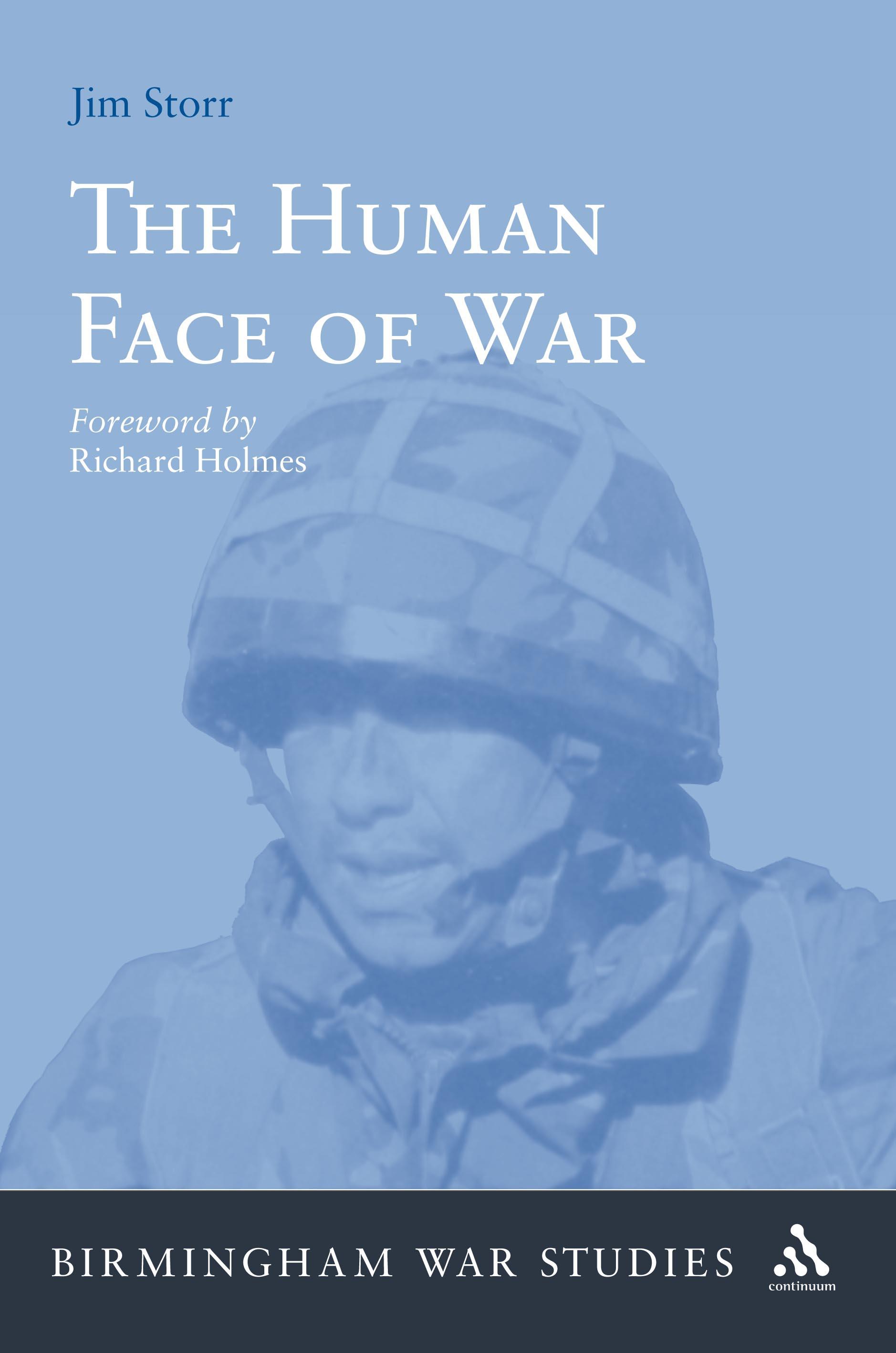
Warfare is hugely important. The fates of nations, and even continents, often rests on the outcome of war and thus on how its practitioners consider war. The Human Face of War is a new exploration of military thought. It starts with the observation that much military thought is poorly developed - often incoherent and riddled with paradox. The author contends that what is missing from British and American writing on warfare is any underpinning mental approach or philosophy. Why are some tank commanders, snipers, fighter pilots or submarine commanders far more effective than others? Why are many generals sacked at the outbreak of war? The Human Face of War examines such phenomena and seeks to explain them.
The author argues that military thought should be based on an approach which reflects the nature of combat. Combat - fighting - is primarily a human phenomenon dominated by human behaviour. The book explores some of those human issues and their practical consequences. The Human Face of War calls for, and suggests, a new way of considering war and warfare.
The author argues that military thought should be based on an approach which reflects the nature of combat. Combat - fighting - is primarily a human phenomenon dominated by human behaviour. The book explores some of those human issues and their practical consequences. The Human Face of War calls for, and suggests, a new way of considering war and warfare.
Płać wygodnie kartą, Klarną, Apple Pay lub Google Pay. Nie jesteś zadowolony? Zawsze masz 14-dniową gwarancję zwrotu pieniędzy. Więcej przeczytasz w naszych warunkach. Masz pytania? Napisz do nas na hello@memmo.org.
Memmo ułatwia naukę – gdziekolwiek jesteś na świecie. U nas znajdziesz podręczniki i sprytne narzędzia do nauki w jednym miejscu: streszczenia, quizy, podcasty i fiszki. A do tego Ted, Twój kumpel do nauki, który odpowie na wszystko, co Cię nurtuje. Ponad 50 000 studentów już tu się uczy – stworzone, byś uczył się szybciej i mniej stresował.