
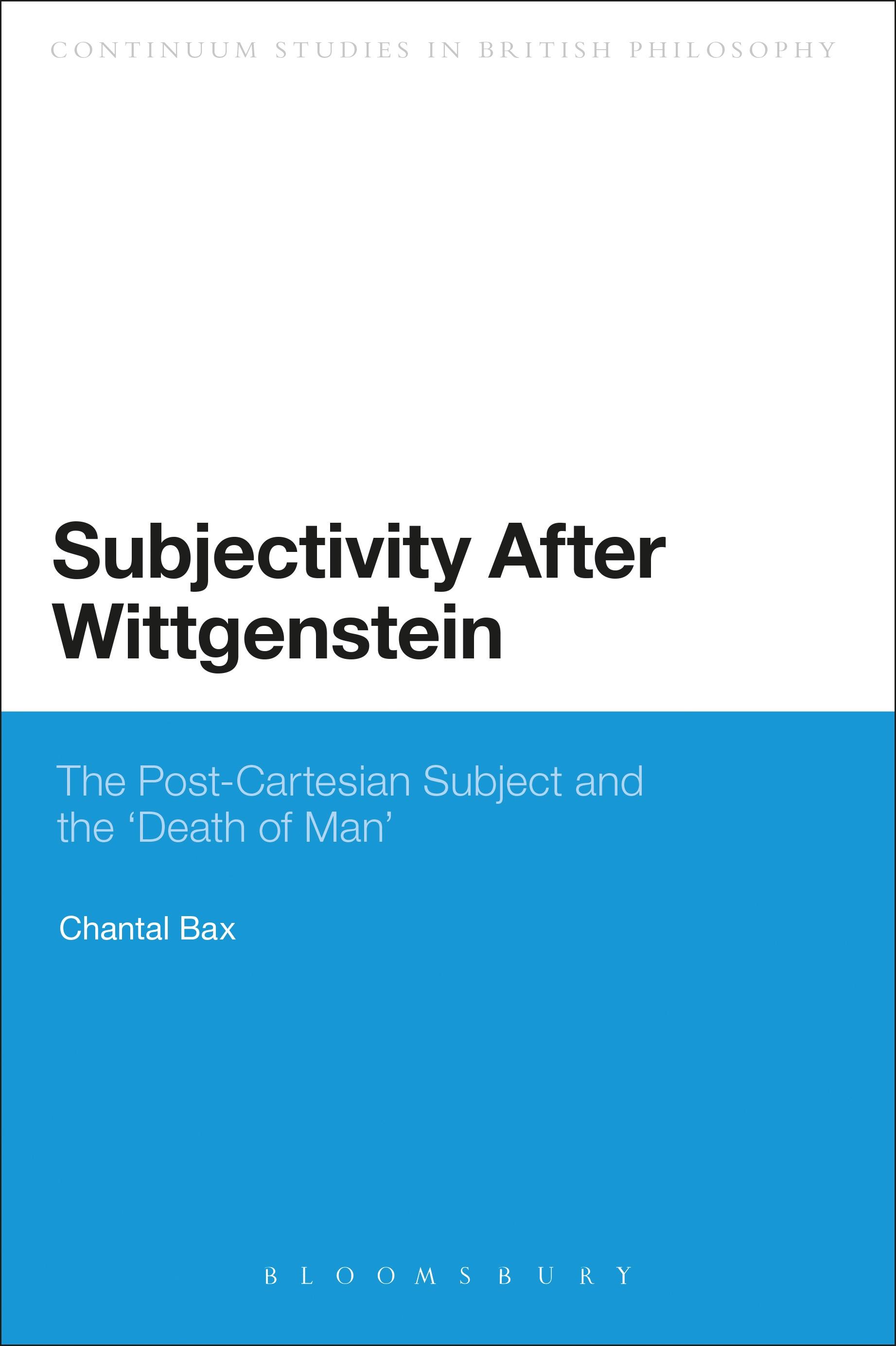
Although Wittgenstein is often held co-responsible for the so-called death of man as it was pronounced in the course of the previous century, no detailed description of his alternative to the traditional or Cartesian account of human being has so far been available. By consulting several parts of Wittgenstein's later oeuvre, Subjectivity after Wittgenstein aims to fill this gap. However, it also contributes to the debate about the Cartesian subject and its demise by discussing the criticism that the rethinking of subjectivity received, for it has been argued that the anti-Cartesian turn in continental philosophy has lead to a loss of a centre for both ethics and politics. By further exploring the implications of the Wittgensteinian account of human being, this book makes it clear that a non-Cartesian view on the subject is not necessarily ethically and politically inert. Moreover, it argues that ethical and political arguments should not automatically take precedence in a debate about the nature of man.
Płać wygodnie kartą, Klarną, Apple Pay lub Google Pay. Nie jesteś zadowolony? Zawsze masz 14-dniową gwarancję zwrotu pieniędzy. Więcej przeczytasz w naszych warunkach. Masz pytania? Napisz do nas na hello@memmo.org.
Memmo ułatwia naukę – gdziekolwiek jesteś na świecie. U nas znajdziesz podręczniki i sprytne narzędzia do nauki w jednym miejscu: streszczenia, quizy, podcasty i fiszki. A do tego Ted, Twój kumpel do nauki, który odpowie na wszystko, co Cię nurtuje. Ponad 50 000 studentów już tu się uczy – stworzone, byś uczył się szybciej i mniej stresował.