
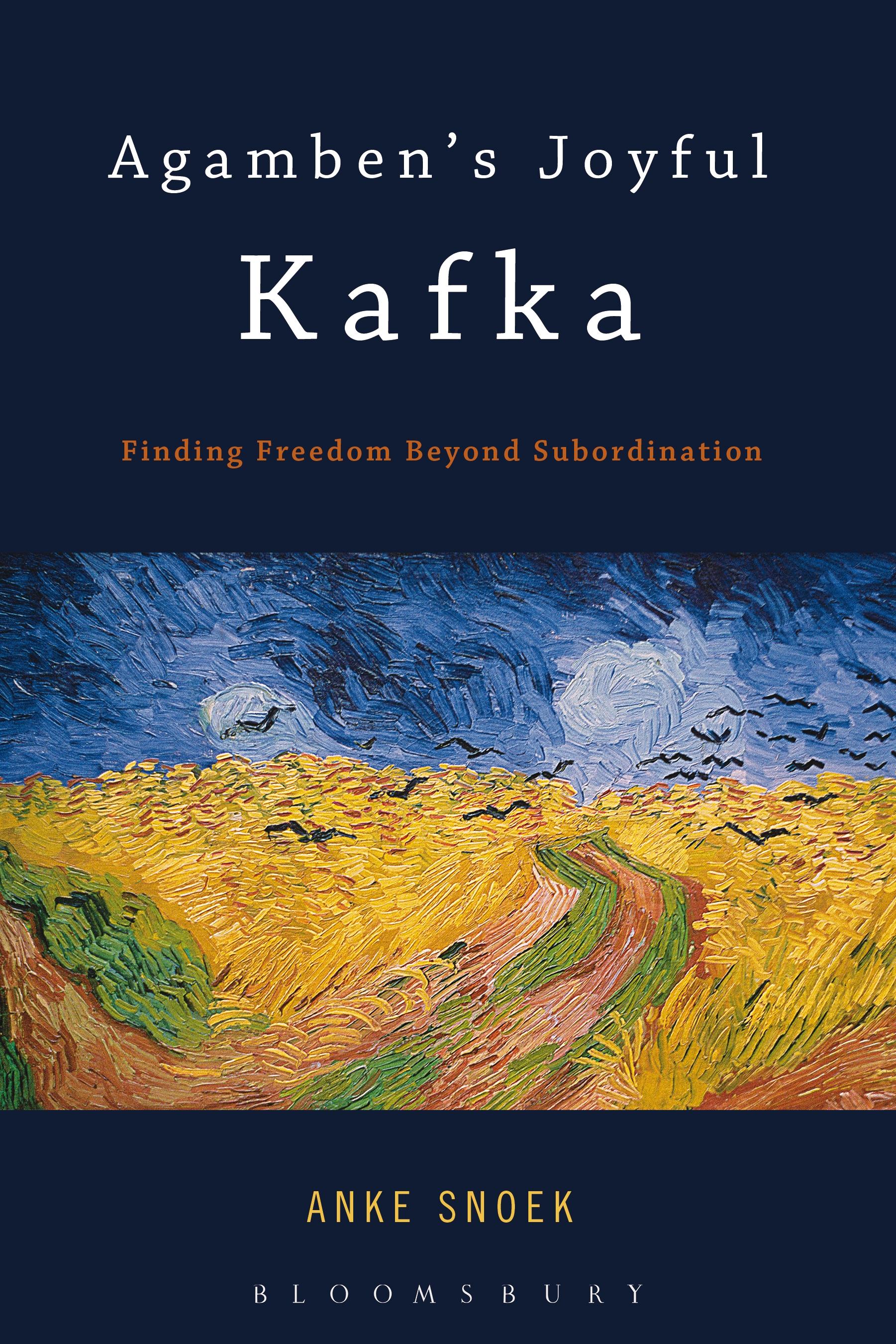
Both Giorgio Agamben and Franz Kafka are best known for their gloomy political worldview. A cautious study of Agamben's references on Kafka, however, reveals another dimension right at the intersection of their works: a complex and unorthodox theory of freedom. The inspiration emerges from Agamben's claims that 'it is a very poor reading of Kafka's works that sees in them only a summation of the anguish of a guilty man before the inscrutable power'. Virtually all of Kafka's stories leave us puzzled about what really happened. Was Josef K., who is butchered like a dog, defeated? And what about the meaningless but in his own way complete creature Odradek? Agamben's work sheds new light on these questions and arrives, through Kafka, at different strategies for freedom at the point where this freedom is most blatantly violated.
Płać wygodnie kartą, Klarną, Apple Pay lub Google Pay. Nie jesteś zadowolony? Zawsze masz 14-dniową gwarancję zwrotu pieniędzy. Więcej przeczytasz w naszych warunkach. Masz pytania? Napisz do nas na hello@memmo.org.
Memmo ułatwia naukę – gdziekolwiek jesteś na świecie. U nas znajdziesz podręczniki i sprytne narzędzia do nauki w jednym miejscu: streszczenia, quizy, podcasty i fiszki. A do tego Ted, Twój kumpel do nauki, który odpowie na wszystko, co Cię nurtuje. Ponad 50 000 studentów już tu się uczy – stworzone, byś uczył się szybciej i mniej stresował.