
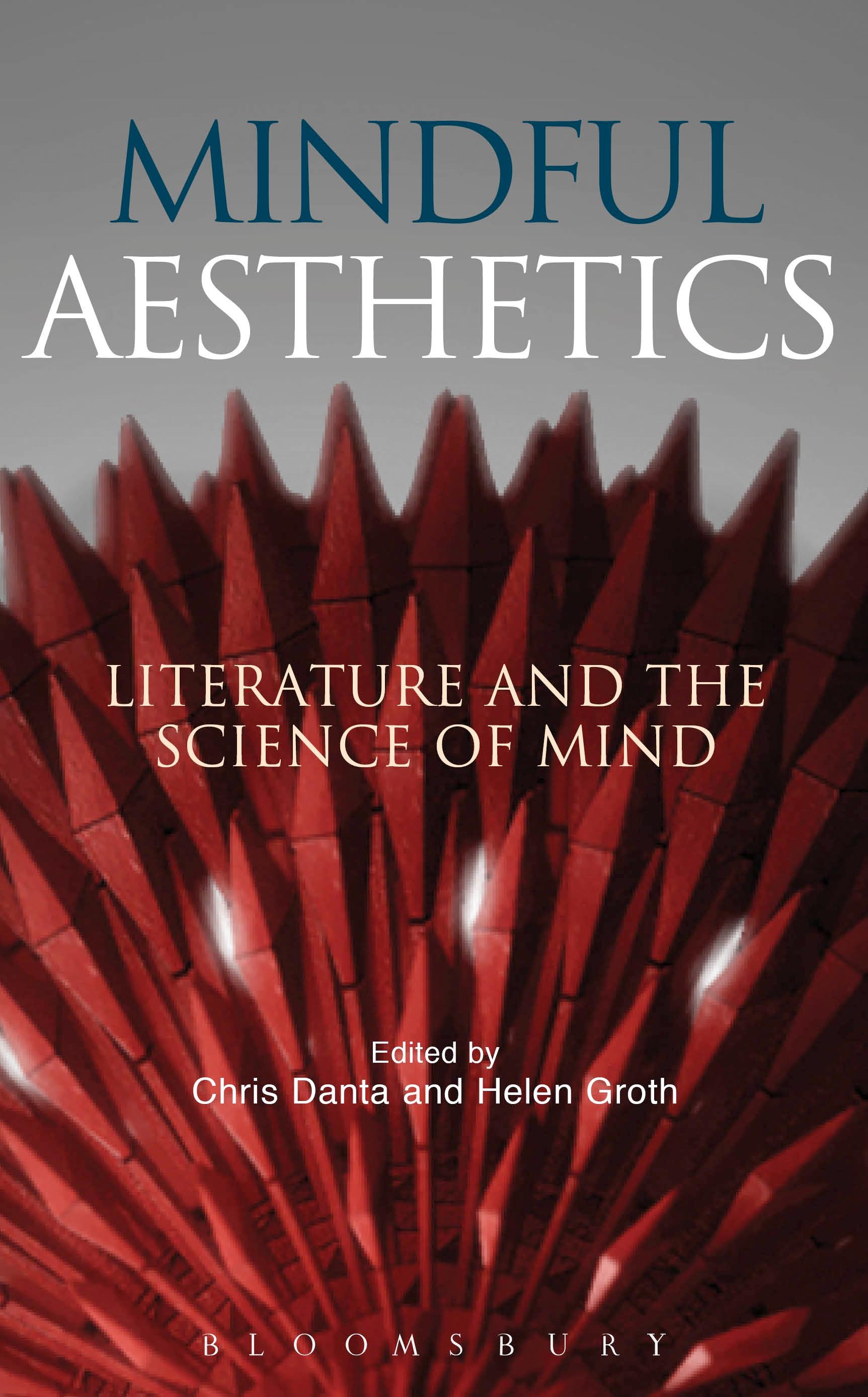
In the last few decades, literary critics have increasingly drawn insights from cognitive neuroscience to deepen and clarify our understanding of literary representations of mind. This cognitive turn has been equally generative and contentious. While cognitive literary studies has reinforced how central the concept of mind is to aesthetic practice from the classical period to the present, critics have questioned its literalism and selective borrowing of scientific authority. Mindful Aesthetics presents both these perspectives as part of a broader consideration of the ongoing and vital importance of shifting concepts of mind to both literary and critical practice.
This collection contributes to the forging of a 'new interdisciplinarity,' to paraphrase Alan Richardson's recent preface to the Neural Sublime, that is more concerned with addressing how, rather than why, we should navigate the increasingly narrow gap between the humanities and the sciences.
This collection contributes to the forging of a 'new interdisciplinarity,' to paraphrase Alan Richardson's recent preface to the Neural Sublime, that is more concerned with addressing how, rather than why, we should navigate the increasingly narrow gap between the humanities and the sciences.
Płać wygodnie kartą, Klarną, Apple Pay lub Google Pay. Nie jesteś zadowolony? Zawsze masz 14-dniową gwarancję zwrotu pieniędzy. Więcej przeczytasz w naszych warunkach. Masz pytania? Napisz do nas na hello@memmo.org.
Memmo ułatwia naukę – gdziekolwiek jesteś na świecie. U nas znajdziesz podręczniki i sprytne narzędzia do nauki w jednym miejscu: streszczenia, quizy, podcasty i fiszki. A do tego Ted, Twój kumpel do nauki, który odpowie na wszystko, co Cię nurtuje. Ponad 50 000 studentów już tu się uczy – stworzone, byś uczył się szybciej i mniej stresował.