
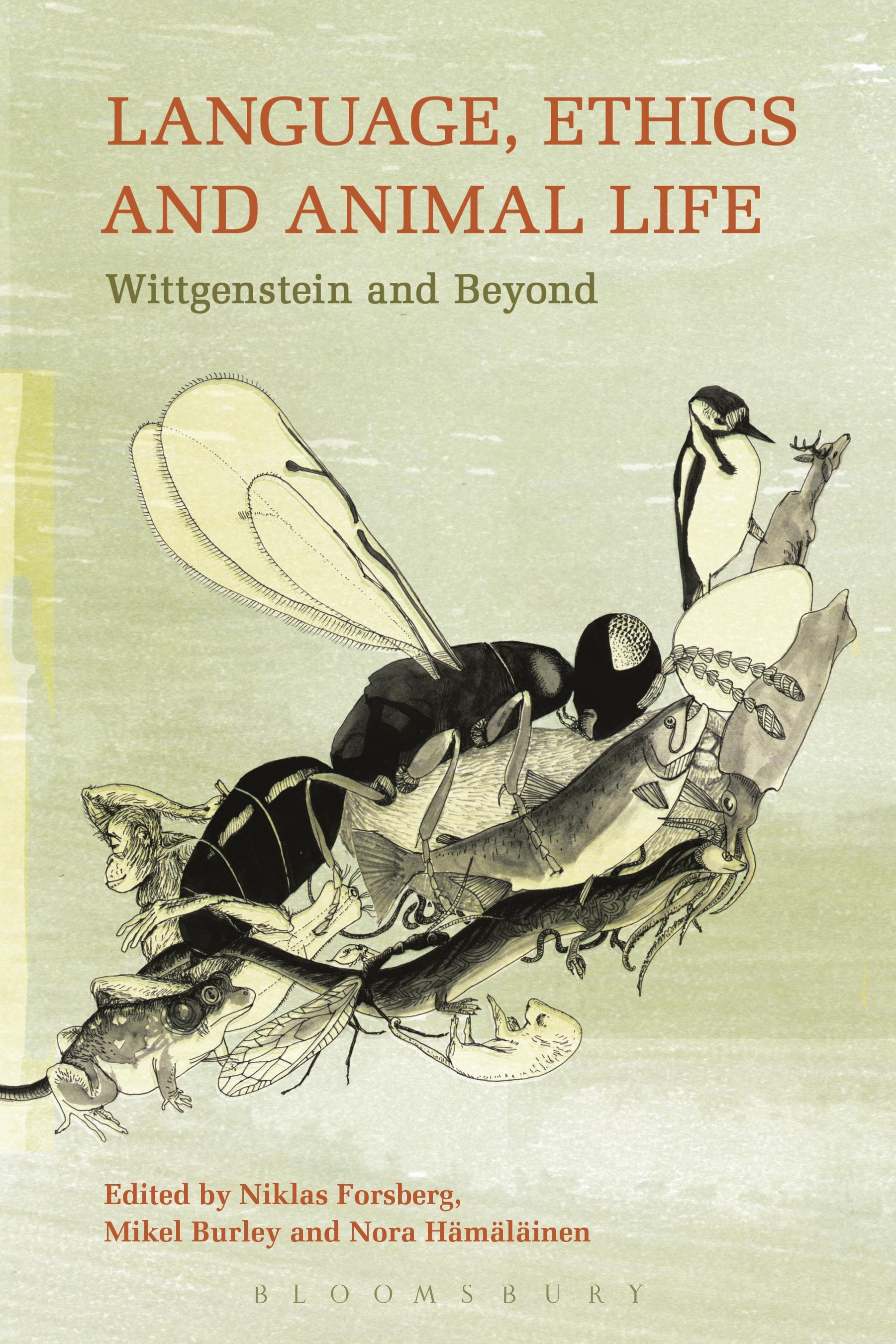
New research into human and animal consciousness, a heightened awareness of the methods and consequences of intensive farming, and modern concerns about animal welfare and ecology are among the factors that have made our relationship to animals an area of burning interest in contemporary philosophy. Utilizing methods inspired by Ludwig Wittgenstein, the contributors to this volume explore this area in a variety of ways. Topics discussed include: scientific vs. non-scientific ways of describing human and animal behaviour; the ethics of eating particular animal species; human nature, emotions, and instinctive reactions; responses of wonder towards the natural world; the moral relevance of literature; the concept of dignity; and the question whether non-human animals can use language. This book will be of great value to anyone interested in philosophical and interdisciplinary issues concerning language, ethics and humanity's relation to animals and the natural world.
Płać wygodnie kartą, Klarną, Apple Pay lub Google Pay. Nie jesteś zadowolony? Zawsze masz 14-dniową gwarancję zwrotu pieniędzy. Więcej przeczytasz w naszych warunkach. Masz pytania? Napisz do nas na hello@memmo.org.
Memmo ułatwia naukę – gdziekolwiek jesteś na świecie. U nas znajdziesz podręczniki i sprytne narzędzia do nauki w jednym miejscu: streszczenia, quizy, podcasty i fiszki. A do tego Ted, Twój kumpel do nauki, który odpowie na wszystko, co Cię nurtuje. Ponad 50 000 studentów już tu się uczy – stworzone, byś uczył się szybciej i mniej stresował.