
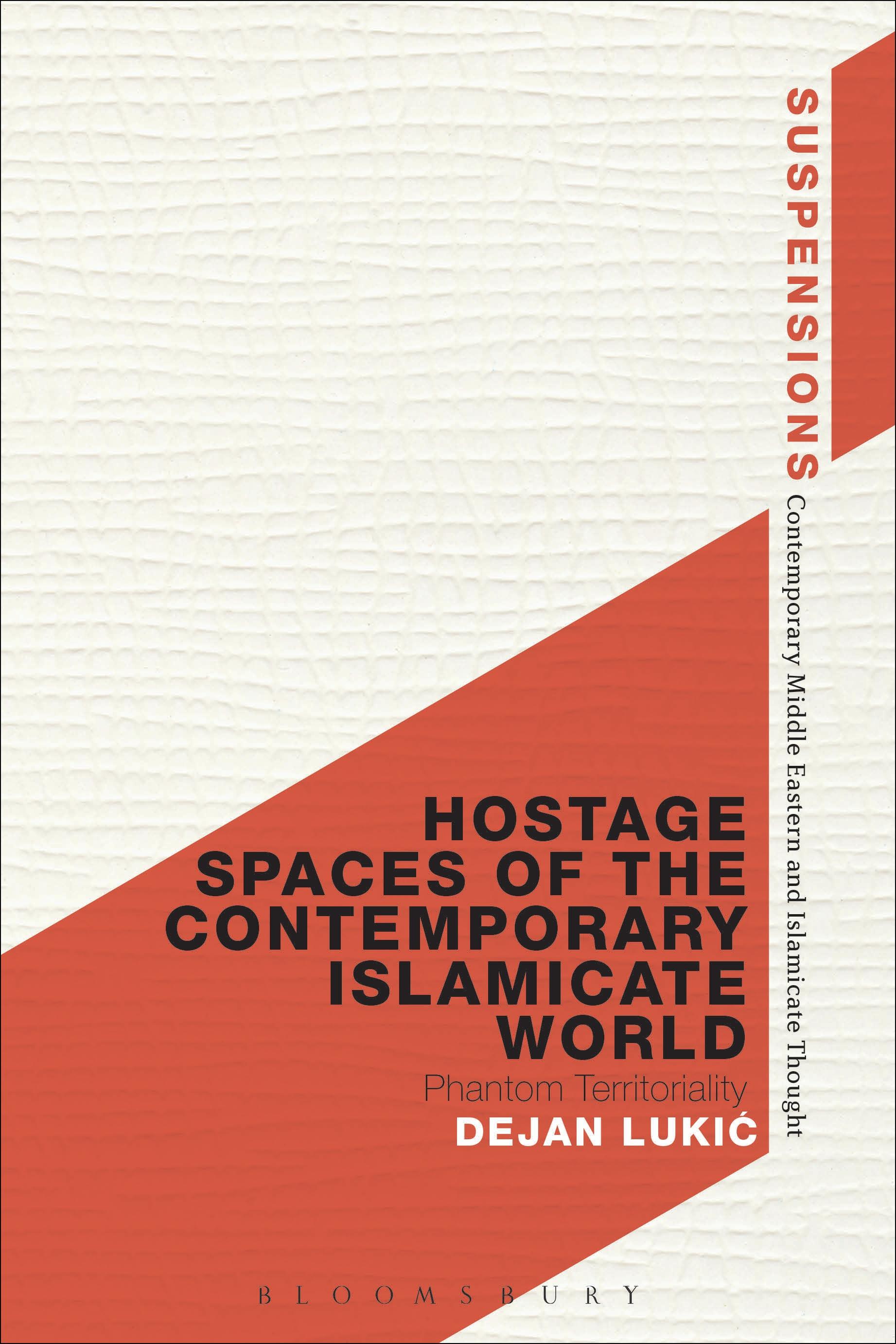
How is hostage space constructed? In this age-long procedure found in conflicts around the world, strange forms of terror and intimacy arise, particularly in the contemporary Islamic cultures of Chechnya, Albania, and Bosnia. This book investigates the modes of desire and politics found in kidnapping, in order to reveal the voices of victims and kidnappers that often remain closed up.
Dejan Lukic explores the spaces where hostages and hostage takers come into contact - spaces of accident, sacrifice, hope, and catastrophe - or, in other words, the spaces that announce utopias bound to fail. In this book, the figures of the victim, the terrorist, the sovereign, the resistance fighter and the witness – among others – emerge with a new face; one that will contribute to our understandings of what it means to act politically and ethically today.
Dejan Lukic explores the spaces where hostages and hostage takers come into contact - spaces of accident, sacrifice, hope, and catastrophe - or, in other words, the spaces that announce utopias bound to fail. In this book, the figures of the victim, the terrorist, the sovereign, the resistance fighter and the witness – among others – emerge with a new face; one that will contribute to our understandings of what it means to act politically and ethically today.
Płać wygodnie kartą, Klarną, Apple Pay lub Google Pay. Nie jesteś zadowolony? Zawsze masz 14-dniową gwarancję zwrotu pieniędzy. Więcej przeczytasz w naszych warunkach. Masz pytania? Napisz do nas na hello@memmo.org.
Memmo ułatwia naukę – gdziekolwiek jesteś na świecie. U nas znajdziesz podręczniki i sprytne narzędzia do nauki w jednym miejscu: streszczenia, quizy, podcasty i fiszki. A do tego Ted, Twój kumpel do nauki, który odpowie na wszystko, co Cię nurtuje. Ponad 50 000 studentów już tu się uczy – stworzone, byś uczył się szybciej i mniej stresował.