
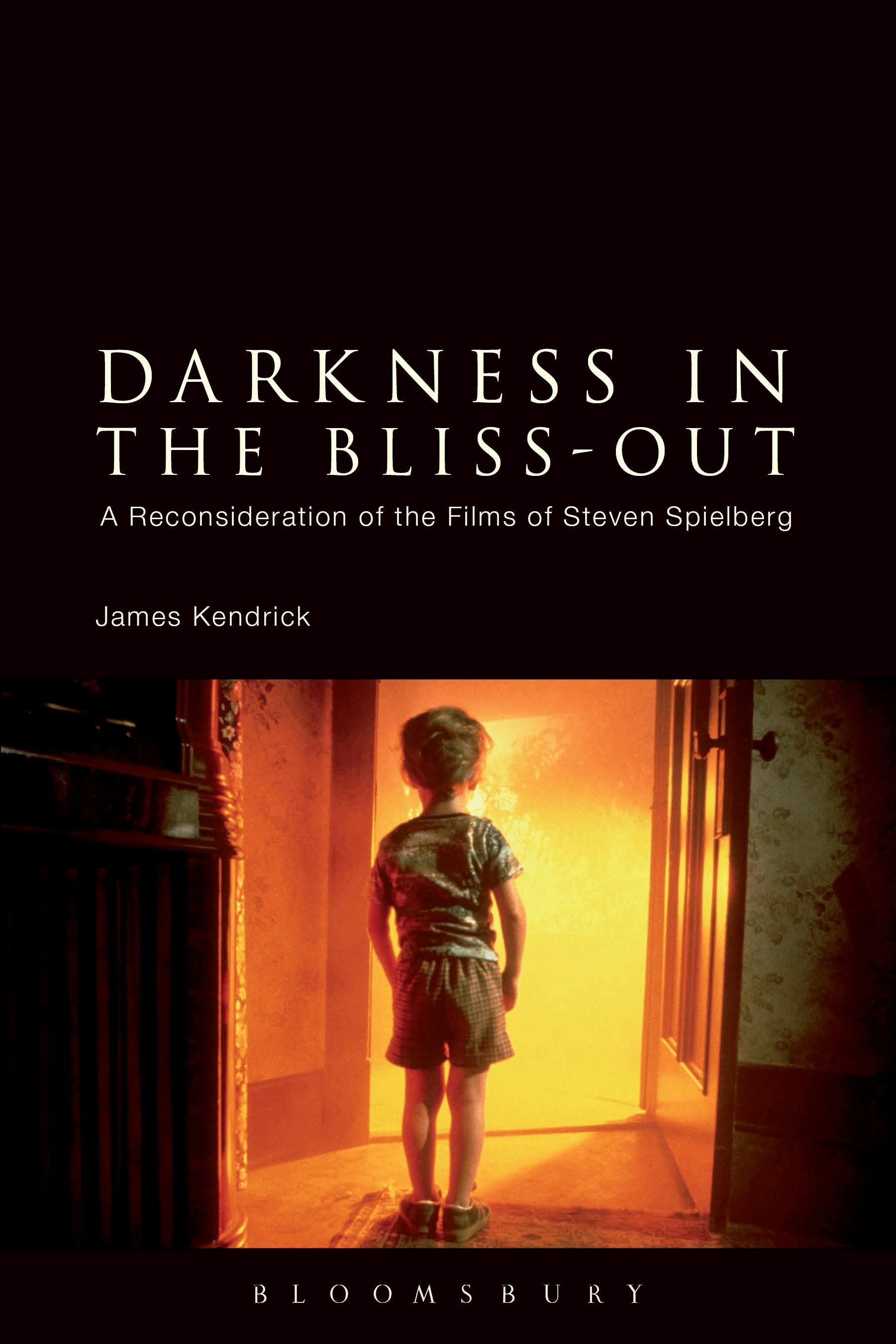
While there has been a significant outpouring of scholarship on Steven Spielberg over the past decade, his films are still frequently discussed as being paternalistic, escapist, and reliant on uncomplicated emotions and complicated special effects. Even those who view his work favorably often see it as essentially optimistic, reassuring, and conservative. James Kendrick takes an alternate view of Spielberg's cinema and proposes that his films-even the most popular ones that seem to trade in easy answers and comforting, reassuring notions of cohesion and narrative resolution-are significantly darker and more emotionally and ideologically complex than they are routinely given credit for.
Darkness in the Bliss-Out demonstrates, through close analysis of a wide range of Spielberg's films, that they are only reassuring on the surface, and that their depths embody a complex and sometimes contradictory view of the human condition.
Darkness in the Bliss-Out demonstrates, through close analysis of a wide range of Spielberg's films, that they are only reassuring on the surface, and that their depths embody a complex and sometimes contradictory view of the human condition.
Strony: 248
Kategoria: Litteraturvetenskap & Teori
e-ISBN: 9781441112507
Waga przesyłki: 1.2 kg
Wysyłka w ciągu: 1-2 dni
Płać wygodnie kartą, Klarną, Apple Pay lub Google Pay. Nie jesteś zadowolony? Zawsze masz 14-dniową gwarancję zwrotu pieniędzy. Więcej przeczytasz w naszych warunkach. Masz pytania? Napisz do nas na hello@memmo.org.
Memmo ułatwia naukę – gdziekolwiek jesteś na świecie. U nas znajdziesz podręczniki i sprytne narzędzia do nauki w jednym miejscu: streszczenia, quizy, podcasty i fiszki. A do tego Ted, Twój kumpel do nauki, który odpowie na wszystko, co Cię nurtuje. Ponad 50 000 studentów już tu się uczy – stworzone, byś uczył się szybciej i mniej stresował.