
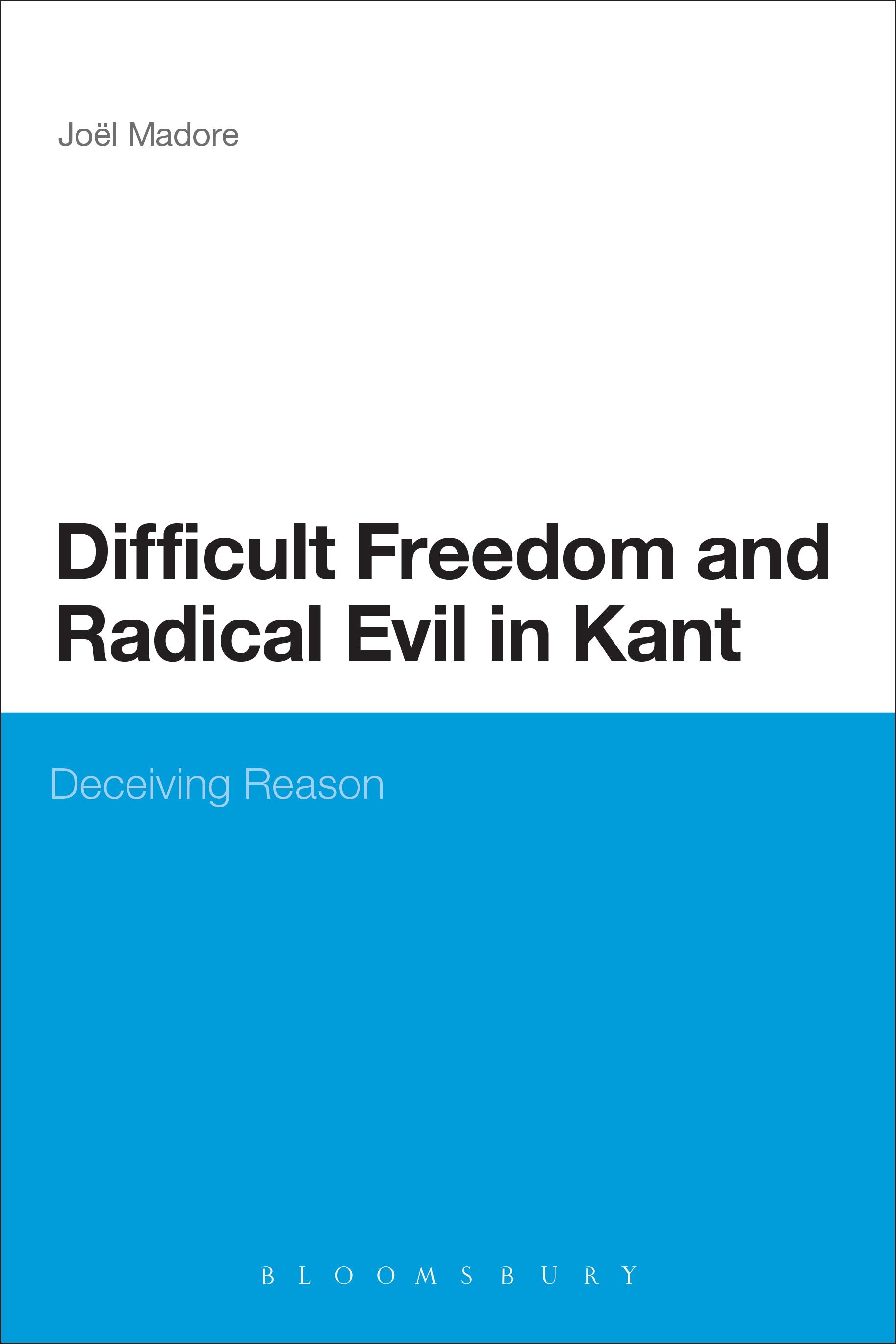
To speak of evil is to speak of a gap between what is and what should be. If classical approaches to this problem often relied on a religious or metaphysical framework to structure their response, Kant's answer is typically modern in that it places within the subject the means of its own moral regeneration. And yet from his first essays on ethics to later, more rigorous writings on the issue, Kant also admits an undeniable fallibility and inherent weakness to humanity.
This book explores this neglected existential side of Kant's work. It presents radical evil as vacillating between tragic and freedom, at the threshold of humanity. Through it's careful exegesis of the Kantian corpus, in gauging contemporary responses from both philosophical traditions, and by drawing from concrete examples of evil, the book offers a novel and accessible account of what is widely considered to be an intricate yet urgent problem of philosophy.
This book explores this neglected existential side of Kant's work. It presents radical evil as vacillating between tragic and freedom, at the threshold of humanity. Through it's careful exegesis of the Kantian corpus, in gauging contemporary responses from both philosophical traditions, and by drawing from concrete examples of evil, the book offers a novel and accessible account of what is widely considered to be an intricate yet urgent problem of philosophy.
Płać wygodnie kartą, Klarną, Apple Pay lub Google Pay. Nie jesteś zadowolony? Zawsze masz 14-dniową gwarancję zwrotu pieniędzy. Więcej przeczytasz w naszych warunkach. Masz pytania? Napisz do nas na hello@memmo.org.
Memmo ułatwia naukę – gdziekolwiek jesteś na świecie. U nas znajdziesz podręczniki i sprytne narzędzia do nauki w jednym miejscu: streszczenia, quizy, podcasty i fiszki. A do tego Ted, Twój kumpel do nauki, który odpowie na wszystko, co Cię nurtuje. Ponad 50 000 studentów już tu się uczy – stworzone, byś uczył się szybciej i mniej stresował.