
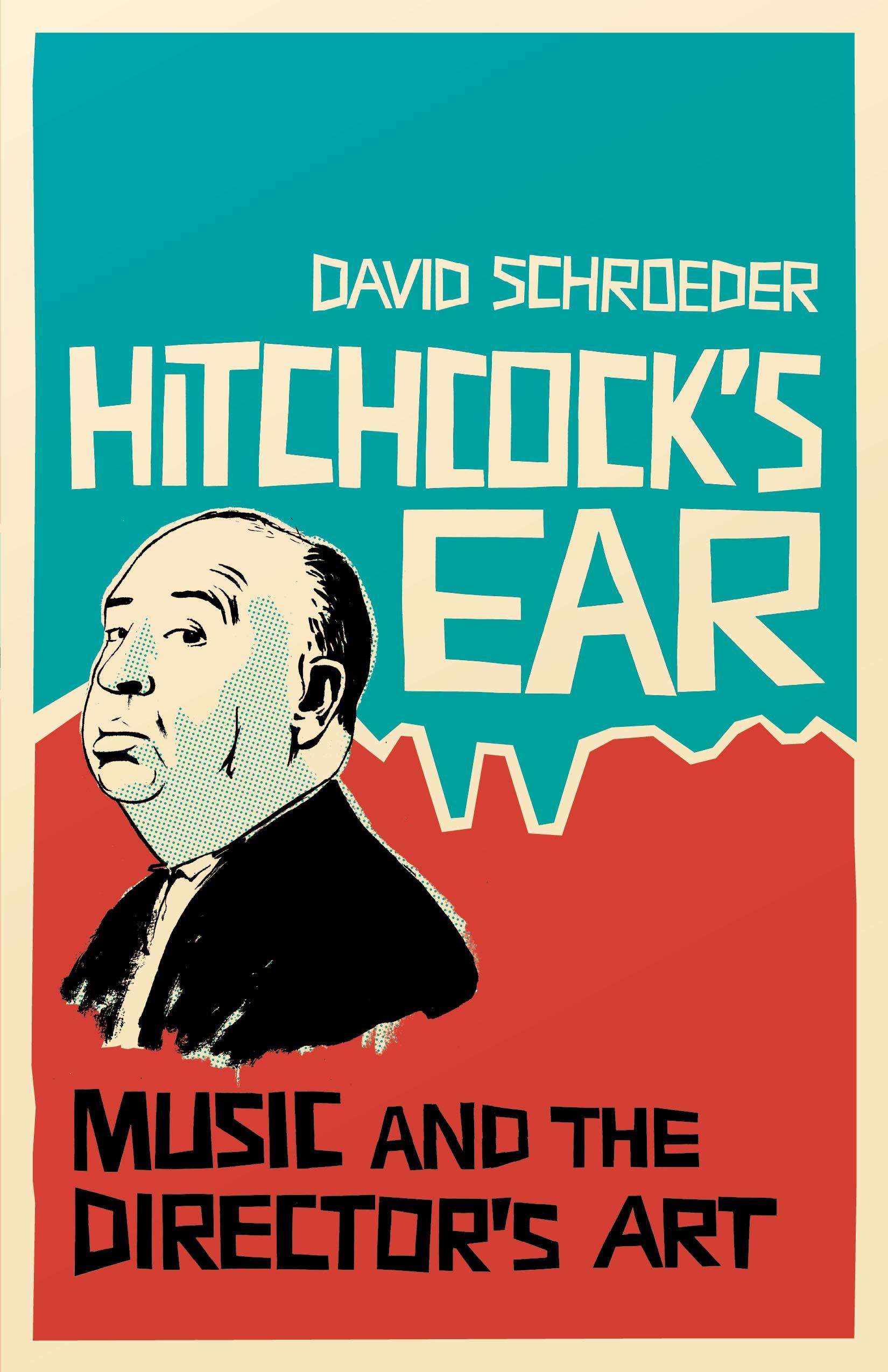
Alfred Hitchcock liked to describe his work as a director in musical terms; for some of his films, it appears that he started with an underlying musical conception, and transformed that sense of music into visual images. The director's favorite scenes lacked dialogue, and they made their impact through a combination of non-verbal actions and music. For example, the waltz and the piano are used as powerful images in silent films, and this approach carries over into sound films. Looking at such films as Vertigo, Rear Window, and Shadow of a Doubt, Schroeder provides a unique look at the way that Hitchcock thought about cinema in musical terms.
Płać wygodnie kartą, Klarną, Apple Pay lub Google Pay. Nie jesteś zadowolony? Zawsze masz 14-dniową gwarancję zwrotu pieniędzy. Więcej przeczytasz w naszych warunkach. Masz pytania? Napisz do nas na hello@memmo.org.
Memmo ułatwia naukę – gdziekolwiek jesteś na świecie. U nas znajdziesz podręczniki i sprytne narzędzia do nauki w jednym miejscu: streszczenia, quizy, podcasty i fiszki. A do tego Ted, Twój kumpel do nauki, który odpowie na wszystko, co Cię nurtuje. Ponad 50 000 studentów już tu się uczy – stworzone, byś uczył się szybciej i mniej stresował.