
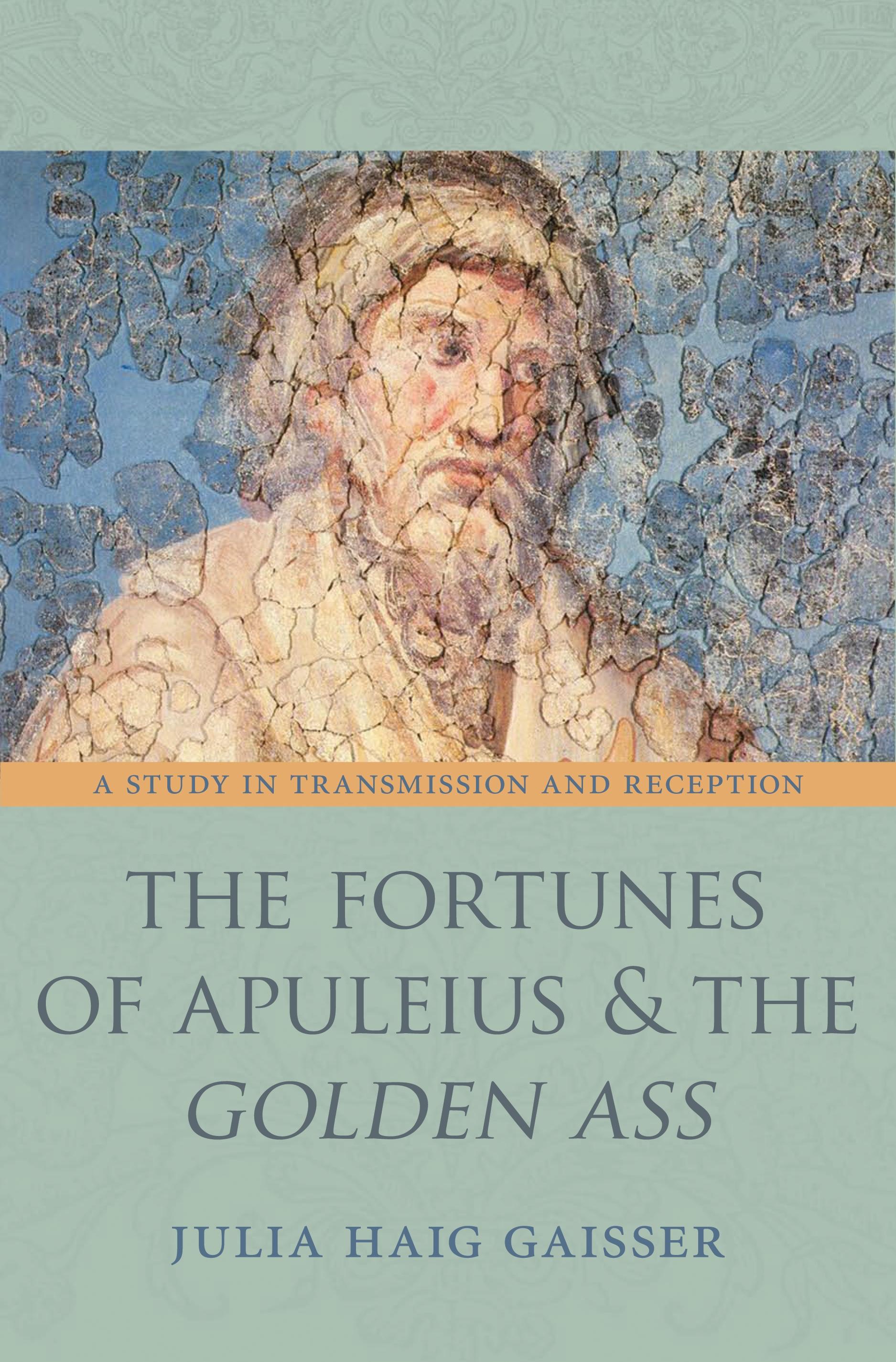
This book traces the transmission and reception of one of the most influential novels in Western literature. The Golden Ass, the only ancient Roman novel to survive in its entirety, tells of a young man changed into an ass by magic and his bawdy adventures and narrow escapes before the goddess Isis changes him back again. Its centerpiece is the famous story of Cupid and Psyche. Julia Gaisser follows Apuleius' racy tale from antiquity through the sixteenth century, tracing its journey from roll to codex in fourth-century Rome, into the medieval library of Monte Cassino, into the hands of Italian humanists, into print, and, finally, over the Alps and into translation in Spanish, French, German, and English. She demonstrates that the novel's reception was linked with Apuleius' reputation as a philosopher and the persona he projected in his works. She relates Apuleius and the Golden Ass to a diverse cast of important literary and historical figures--including Augustine, Fulgentius, Petrarch, Boccaccio, Bessarion, Boiardo, and Beroaldo. Paying equal attention to the novel's transmission (how it survived) and its reception (how it was interpreted), she places the work in its many different historical contexts, examining its representation in art, literary imitation, allegory, scholarly commentary, and translation. The volume contains several appendixes, including an annotated list of the manuscripts of the Golden Ass.
This book is based on the author's Martin Classical Lectures at Oberlin College in 2000.
Płać wygodnie kartą, Klarną, Apple Pay lub Google Pay. Nie jesteś zadowolony? Zawsze masz 14-dniową gwarancję zwrotu pieniędzy. Więcej przeczytasz w naszych warunkach. Masz pytania? Napisz do nas na hello@memmo.org.
Memmo ułatwia naukę – gdziekolwiek jesteś na świecie. U nas znajdziesz podręczniki i sprytne narzędzia do nauki w jednym miejscu: streszczenia, quizy, podcasty i fiszki. A do tego Ted, Twój kumpel do nauki, który odpowie na wszystko, co Cię nurtuje. Ponad 50 000 studentów już tu się uczy – stworzone, byś uczył się szybciej i mniej stresował.