
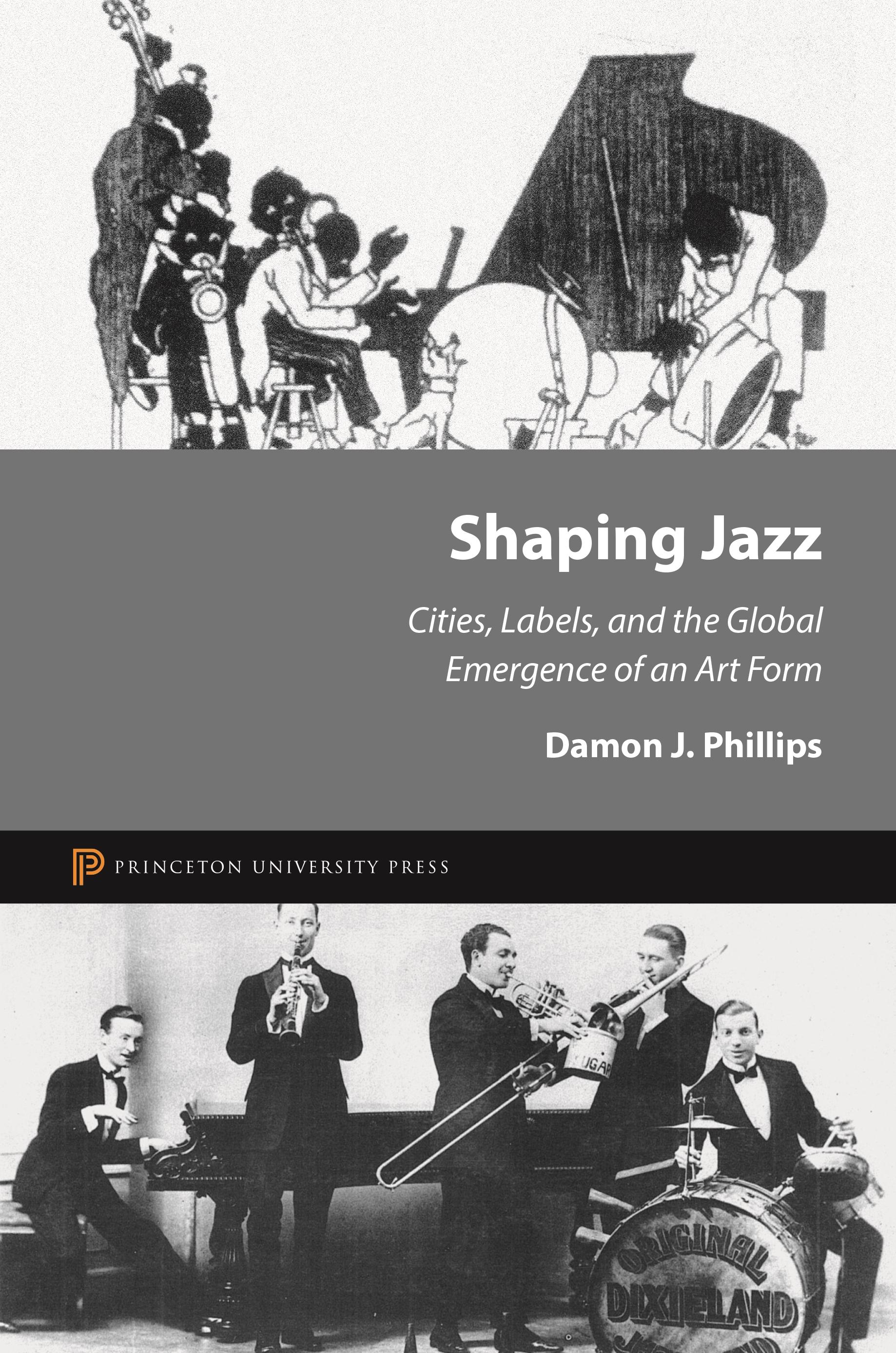
There are over a million jazz recordings, but only a few hundred tunes have been recorded repeatedly. Why did a minority of songs become jazz standards? Why do some songs--and not others--get rerecorded by many musicians? Shaping Jazz answers this question and more, exploring the underappreciated yet crucial roles played by initial production and markets--in particular, organizations and geography--in the development of early twentieth-century jazz.
Damon Phillips considers why places like New York played more important roles as engines of diffusion than as the sources of standards. He demonstrates why and when certain geographical references in tune and group titles were considered more desirable. He also explains why a place like Berlin, which produced jazz abundantly from the 1920s to early 1930s, is now on jazz's historical sidelines. Phillips shows the key influences of firms in the recording industry, including how record companies and their executives affected what music was recorded, and why major companies would rerelease recordings under artistic pseudonyms. He indicates how a recording's appeal was related to the narrative around its creation, and how the identities of its firm and musicians influenced the tune's long-run popularity.
Applying fascinating ideas about market emergence to a music's commercialization, Shaping Jazz offers a unique look at the origins of a groundbreaking art form.
Płać wygodnie kartą, Klarną, Apple Pay lub Google Pay. Nie jesteś zadowolony? Zawsze masz 14-dniową gwarancję zwrotu pieniędzy. Więcej przeczytasz w naszych warunkach. Masz pytania? Napisz do nas na hello@memmo.org.
Memmo ułatwia naukę – gdziekolwiek jesteś na świecie. U nas znajdziesz podręczniki i sprytne narzędzia do nauki w jednym miejscu: streszczenia, quizy, podcasty i fiszki. A do tego Ted, Twój kumpel do nauki, który odpowie na wszystko, co Cię nurtuje. Ponad 50 000 studentów już tu się uczy – stworzone, byś uczył się szybciej i mniej stresował.