
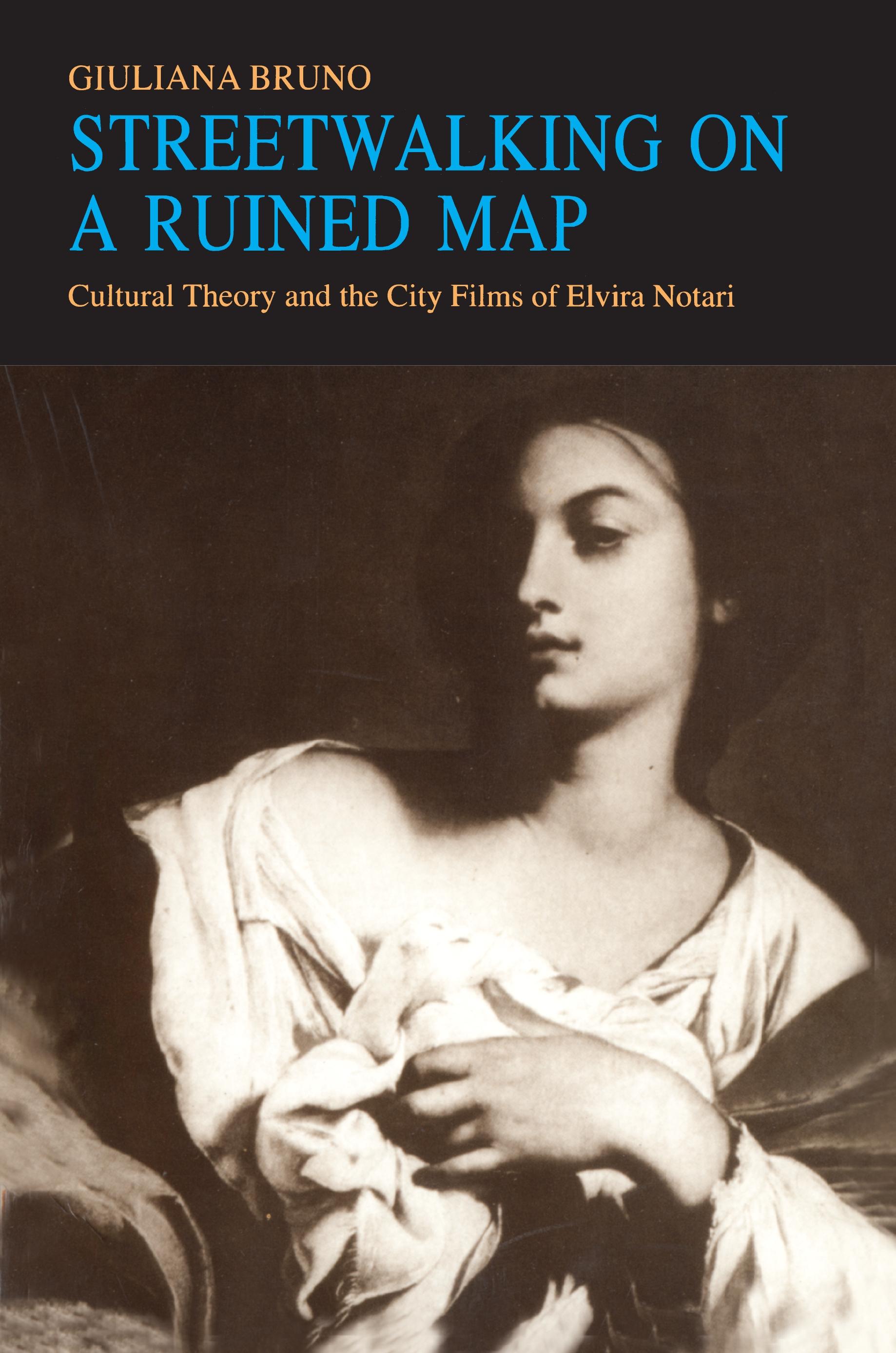
Emphasizing the importance of cultural theory for film history, Giuliana Bruno enriches our understanding of early Italian film as she guides us on a series of "inferential walks" through Italian culture in the first decades of this century. This innovative approach---the interweaving of examples of cinema with architecture, art history, medical discourse, photography, and literature--addresses the challenge posed by feminism to film study while calling attention to marginalized artists. An object of this critical remapping is Elvira Notari (1875-1946), Italy's first and most prolific woman filmmaker, whose documentary-style work on street life in Naples, a forerunner of neorealism, was popularly acclaimed in Italy and the United States until its suppression during the Fascist regime. Since only fragments of Notari's films exist today, Bruno illuminates the filmmaker's contributions to early Italian cinematography by evoking the cultural terrain in which she operated. What emerges is an intertextual montage of urban film culture highlighting a woman's view on love, violence, poverty, desire, and death. This panorama ranges from the city's exteriors to the body's interiors. Reclaiming an alternative history of women's filmmaking and reception, Bruno draws a cultural history that persuasively argues for a spatial, corporal interpretation of film language.
Płać wygodnie kartą, Klarną, Apple Pay lub Google Pay. Nie jesteś zadowolony? Zawsze masz 14-dniową gwarancję zwrotu pieniędzy. Więcej przeczytasz w naszych warunkach. Masz pytania? Napisz do nas na hello@memmo.org.
Memmo ułatwia naukę – gdziekolwiek jesteś na świecie. U nas znajdziesz podręczniki i sprytne narzędzia do nauki w jednym miejscu: streszczenia, quizy, podcasty i fiszki. A do tego Ted, Twój kumpel do nauki, który odpowie na wszystko, co Cię nurtuje. Ponad 50 000 studentów już tu się uczy – stworzone, byś uczył się szybciej i mniej stresował.