
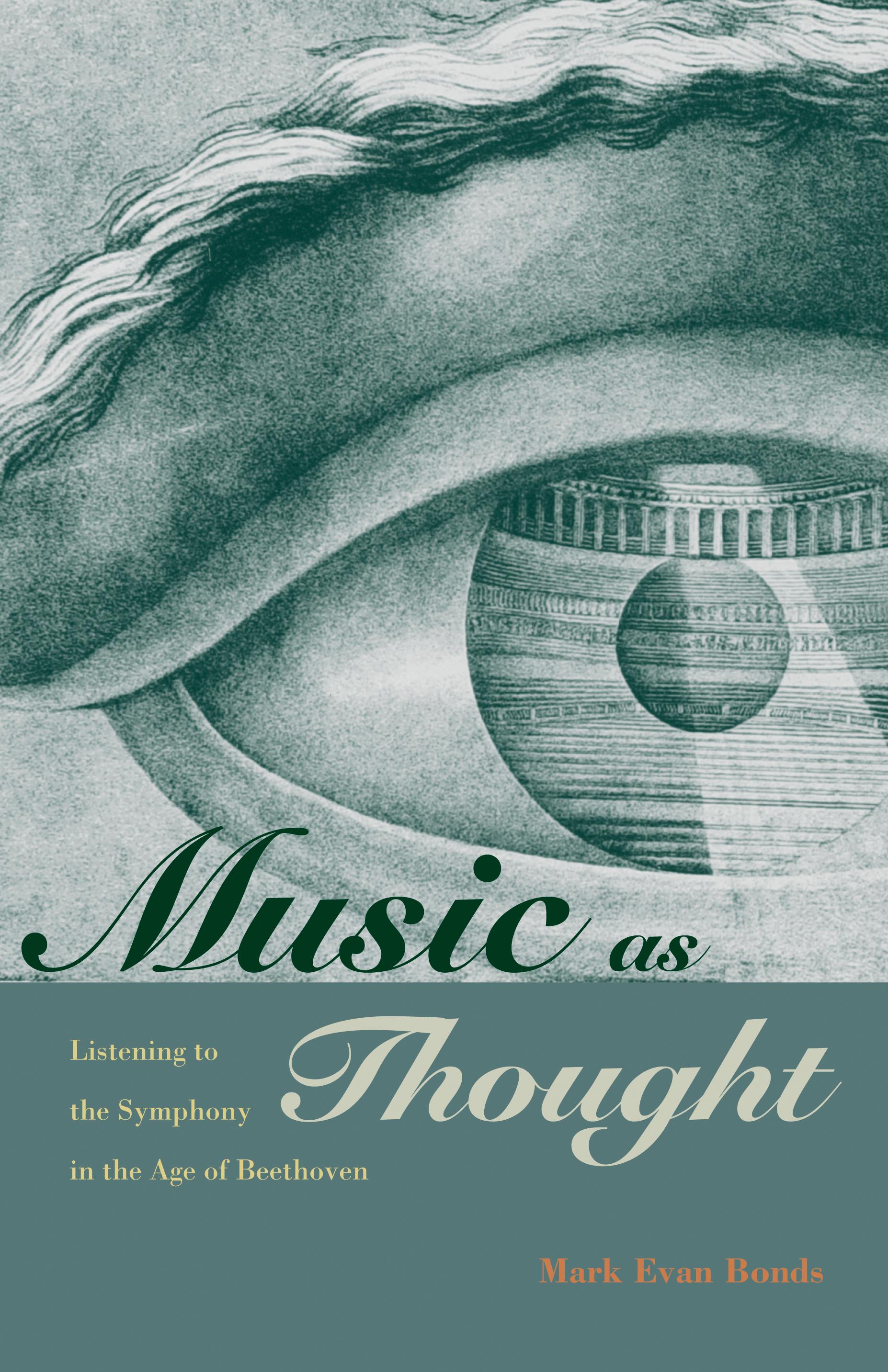
Before the nineteenth century, instrumental music was considered inferior to vocal music. Kant described wordless music as "more pleasure than culture," and Rousseau dismissed it for its inability to convey concepts. But by the early 1800s, a dramatic shift was under way. Purely instrumental music was now being hailed as a means to knowledge and embraced precisely because of its independence from the limits of language. What had once been perceived as entertainment was heard increasingly as a vehicle of thought. Listening had become a way of knowing.
Music as Thought traces the roots of this fundamental shift in attitudes toward listening in the late eighteenth and early nineteenth centuries. Focusing on responses to the symphony in the age of Beethoven, Mark Evan Bonds draws on contemporary accounts and a range of sources--philosophical, literary, political, and musical--to reveal how this music was experienced by those who heard it first.
Music as Thought is a fascinating reinterpretation of the causes and effects of a revolution in listening.
Płać wygodnie kartą, Klarną, Apple Pay lub Google Pay. Nie jesteś zadowolony? Zawsze masz 14-dniową gwarancję zwrotu pieniędzy. Więcej przeczytasz w naszych warunkach. Masz pytania? Napisz do nas na hello@memmo.org.
Memmo ułatwia naukę – gdziekolwiek jesteś na świecie. U nas znajdziesz podręczniki i sprytne narzędzia do nauki w jednym miejscu: streszczenia, quizy, podcasty i fiszki. A do tego Ted, Twój kumpel do nauki, który odpowie na wszystko, co Cię nurtuje. Ponad 50 000 studentów już tu się uczy – stworzone, byś uczył się szybciej i mniej stresował.