
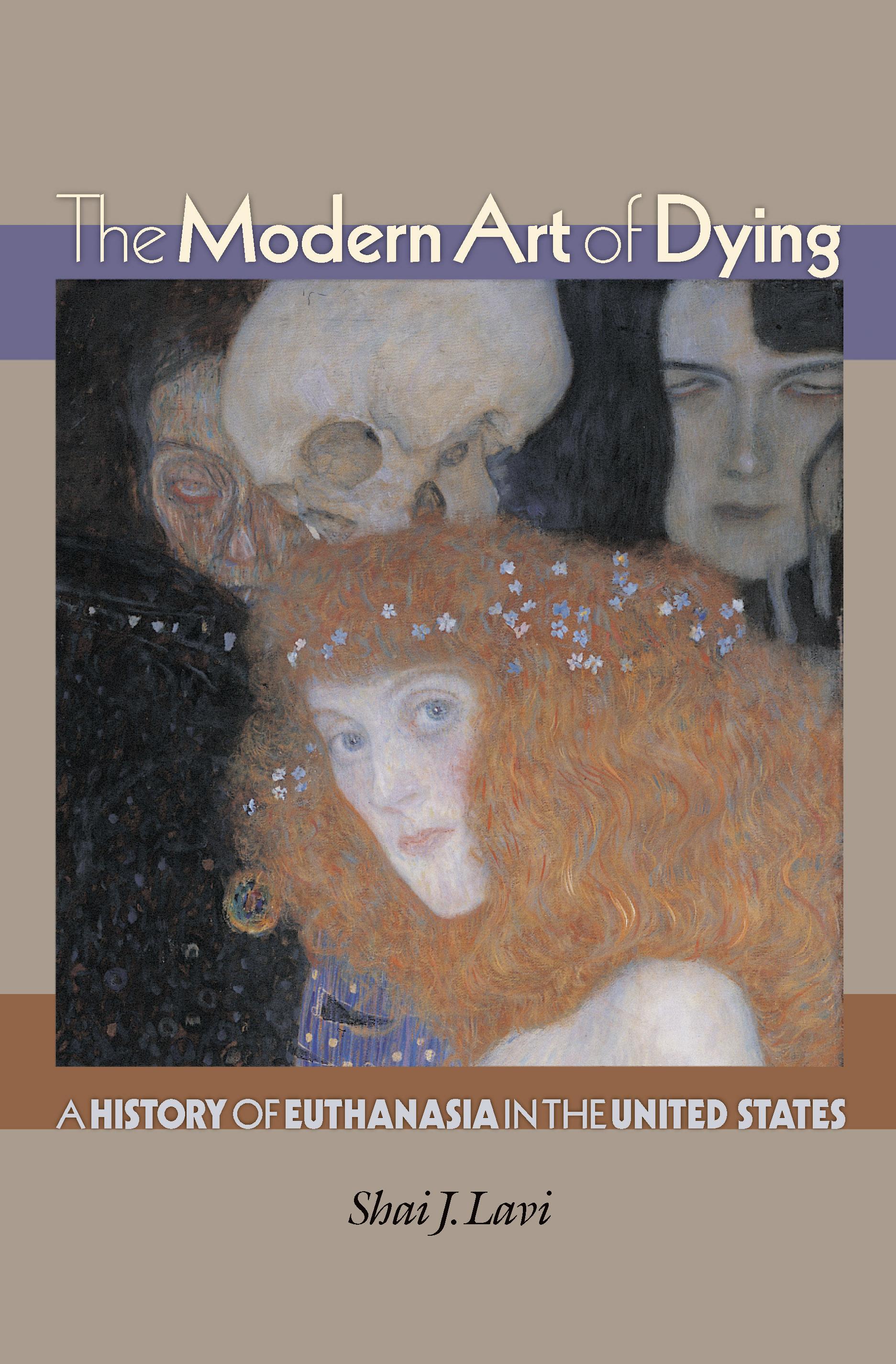
How we die reveals much about how we live. In this provocative book, Shai Lavi traces the history of euthanasia in the United States to show how changing attitudes toward death reflect new and troubling ways of experiencing pain, hope, and freedom.
Lavi begins with the historical meaning of euthanasia as signifying an "easeful death." Over time, he shows, the term came to mean a death blessed by the grace of God, and later, medical hastening of death. Lavi illustrates these changes with compelling accounts of changes at the deathbed. He takes us from early nineteenth-century deathbeds governed by religion through the medicalization of death with the physician presiding over the deathbed, to the legalization of physician-assisted suicide.
Unlike previous books, which have focused on law and technique as explanations for the rise of euthanasia, this book asks why law and technique have come to play such a central role in the way we die. What is at stake in the modern way of dying is not human progress, but rather a fundamental change in the way we experience life in the face of death, Lavi argues. In attempting to gain control over death, he maintains, we may unintentionally have ceded control to policy makers and bio-scientific enterprises.
Płać wygodnie kartą, Klarną, Apple Pay lub Google Pay. Nie jesteś zadowolony? Zawsze masz 14-dniową gwarancję zwrotu pieniędzy. Więcej przeczytasz w naszych warunkach. Masz pytania? Napisz do nas na hello@memmo.org.
Memmo ułatwia naukę – gdziekolwiek jesteś na świecie. U nas znajdziesz podręczniki i sprytne narzędzia do nauki w jednym miejscu: streszczenia, quizy, podcasty i fiszki. A do tego Ted, Twój kumpel do nauki, który odpowie na wszystko, co Cię nurtuje. Ponad 50 000 studentów już tu się uczy – stworzone, byś uczył się szybciej i mniej stresował.