
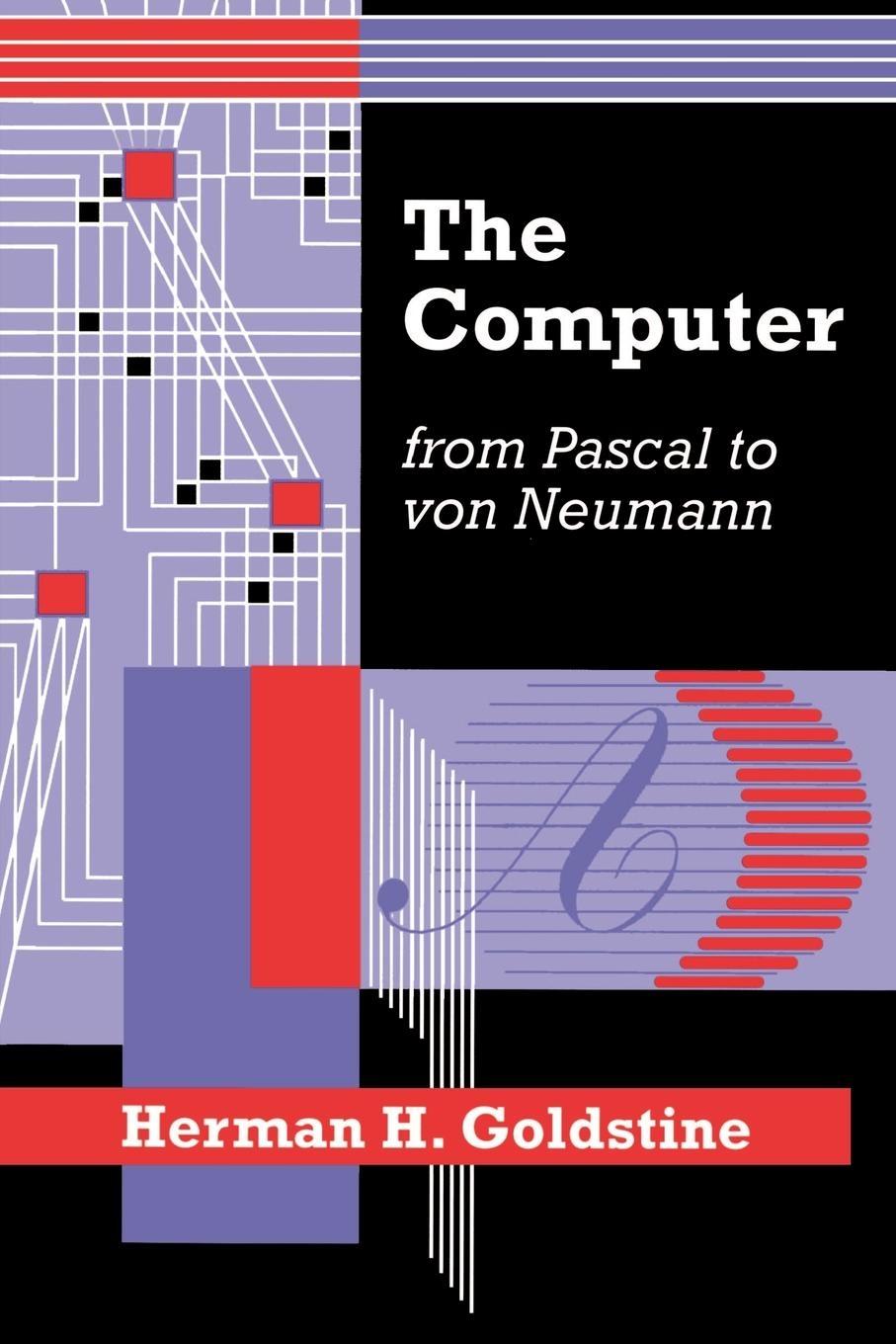
In 1942, Lt. Herman H. Goldstine, a former mathematics professor, was stationed at the Moore School of Electrical Engineering at the University of Pennsylvania. It was there that he assisted in the creation of the ENIAC, the first electronic digital computer. The ENIAC was operational in 1945, but plans for a new computer were already underway. The principal source of ideas for the new computer was John von Neumann, who became Goldstine's chief collaborator. Together they developed EDVAC, successor to ENIAC. After World War II, at the Institute for Advanced Study, they built what was to become the prototype of the present-day computer. Herman Goldstine writes as both historian and scientist in this first examination of the development of computing machinery, from the seventeenth century through the early 1950s. His personal involvement lends a special authenticity to his narrative, as he sprinkles anecdotes and stories liberally through his text.
Płać wygodnie kartą, Klarną, Apple Pay lub Google Pay. Nie jesteś zadowolony? Zawsze masz 14-dniową gwarancję zwrotu pieniędzy. Więcej przeczytasz w naszych warunkach. Masz pytania? Napisz do nas na hello@memmo.org.
Memmo ułatwia naukę – gdziekolwiek jesteś na świecie. U nas znajdziesz podręczniki i sprytne narzędzia do nauki w jednym miejscu: streszczenia, quizy, podcasty i fiszki. A do tego Ted, Twój kumpel do nauki, który odpowie na wszystko, co Cię nurtuje. Ponad 50 000 studentów już tu się uczy – stworzone, byś uczył się szybciej i mniej stresował.