
Comprehensive resource presenting information on patient safety theory and methodology in a practical and engaging format
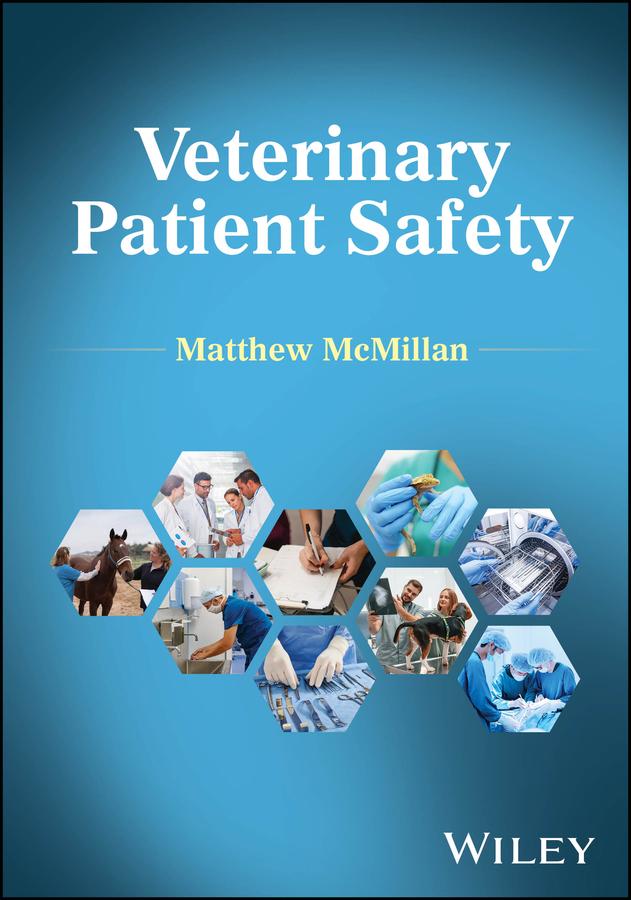
Veterinary Patient Safety is an engaging guide to understanding patient safety and the tools necessary for improving patient outcomes. The book is based on the fundamentals of safety science, introducing both theory, methodology and practical applications of key principals. The book follows the development of patient safety and accident theory, using real-world examples, published veterinary medical literature, as well as insights from human healthcare and other industries such as aviation.
By understanding the reasons why accidents, errors, and morbidity and mortality associated with veterinary medicine might occur, readers learn how to implement changes to improve patient safety and outcomes. The author addresses the most common incidents in veterinary medicine, such as misdiagnosis, medication, equipment and communication errors, and includes many different how-to guides to perform patient safety investigations. Analysis techniques, such as the critical incident technique, Human Factors Analysis Classification System, Systems Analysis and The Five Whys, are explained. Critiques on theories, methodology and published studies are used to demonstrate the strengths and weaknesses of methods and analysis techniques. The importance of local investigations and the lack of a one-size-fits all approach is emphasized, alongside the importance of fostering safety culture including the debriefing following major incidents or complications.
Veterinary Patient Safety includes information on:
- Current data on the degree of harm occurring through unsafe care
- Key concepts and safety theory
- Human fallibility and the importance of non-technical skills
- Organizational culture, covering incivility and its effect on team performance, the concept of blame and ways to assess culture
- Reporting and learning methods, including incident reporting, debriefs, interviews, surveys, case review and trigger tools, and process evaluation
- Explanatory analysis methods and how they can be applied to veterinary safety investigations
- Patient safety improvement tools, including checklists and cognitive aids, simulation and teamwork building, briefings and debriefings, and debiasing strategies
- Legal and ethical aspects of patient safety, including error disclosure, litigation, non-maleficence and the veterinary professional’s “new accountability”
Veterinary Patient Safety is an excellent holistic resource on the subject for general veterinary practitioners, veterinary specialists, veterinary students, veterinary nurses and veterinary managers.
Płać wygodnie kartą, Klarną, Apple Pay lub Google Pay. Nie jesteś zadowolony? Zawsze masz 14-dniową gwarancję zwrotu pieniędzy. Więcej przeczytasz w naszych warunkach. Masz pytania? Napisz do nas na hello@memmo.org.
Memmo ułatwia naukę – gdziekolwiek jesteś na świecie. U nas znajdziesz podręczniki i sprytne narzędzia do nauki w jednym miejscu: streszczenia, quizy, podcasty i fiszki. A do tego Ted, Twój kumpel do nauki, który odpowie na wszystko, co Cię nurtuje. Ponad 50 000 studentów już tu się uczy – stworzone, byś uczył się szybciej i mniej stresował.