
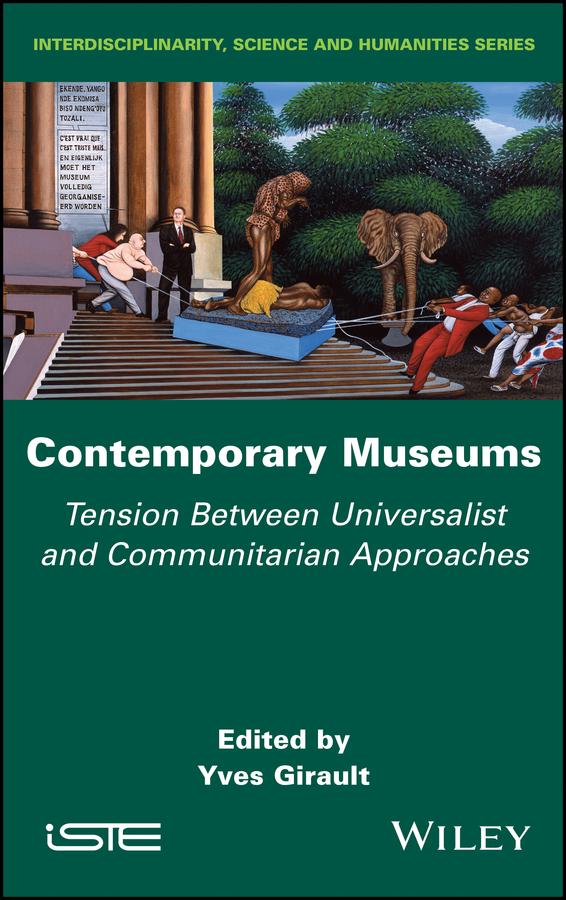
At the center of current debates surrounding the social function of museums, questions concerning museum activities and the participation of both inhabitants and the public arise. In 2019, these questions were the subject of many heated debates at the 34th General Assembly of ICOM in Kyoto, which intended to propose a new definition of the museum. As the representations of the tensions between Universalist and Communitarian approaches are not only largely dependent on the historical and socio-political contexts of the various countries concerned, a generational angle must also be considered. It thus seems totally anachronistic to try to defend a dichotomous vision that is far too simplistic.
At the heart of these current events and international issues, this collective work studies, in an international context, the values, actions and discourses advocated for participating in processes such as collection, selection, conservation and interpretation of heritage elements linked to the territories, resources, knowledge and know-how of various communities. The analysis of the tensions and asymmetries of power between various groups of actors – politicians, managers, scientists, visitors, representatives of local or diasporic populations, among others – particularly in the context of decolonization policies of museums, is also a major part of this book.
Płać wygodnie kartą, Klarną, Apple Pay lub Google Pay. Nie jesteś zadowolony? Zawsze masz 14-dniową gwarancję zwrotu pieniędzy. Więcej przeczytasz w naszych warunkach. Masz pytania? Napisz do nas na hello@memmo.org.
Memmo ułatwia naukę – gdziekolwiek jesteś na świecie. U nas znajdziesz podręczniki i sprytne narzędzia do nauki w jednym miejscu: streszczenia, quizy, podcasty i fiszki. A do tego Ted, Twój kumpel do nauki, który odpowie na wszystko, co Cię nurtuje. Ponad 50 000 studentów już tu się uczy – stworzone, byś uczył się szybciej i mniej stresował.