
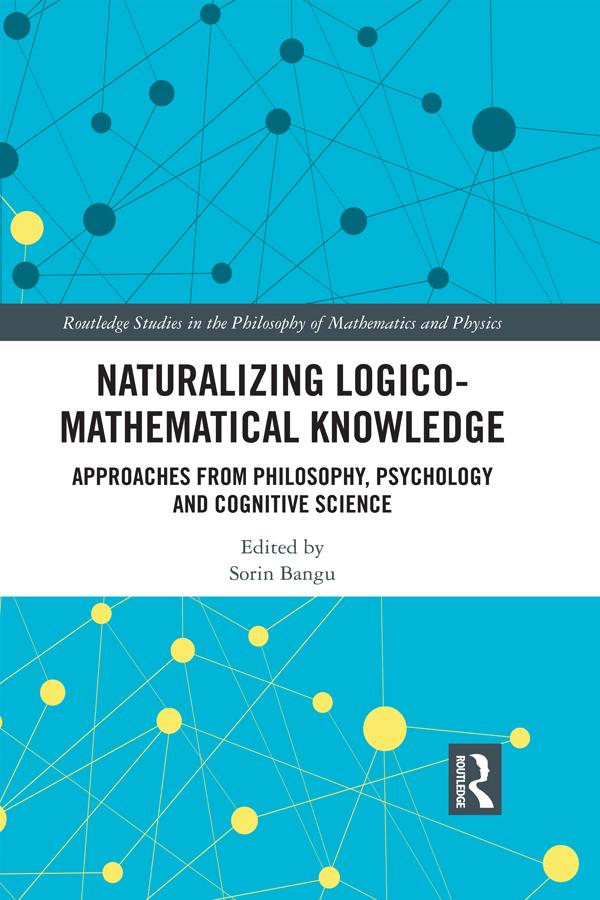
This book is meant as a part of the larger contemporary philosophical project of naturalizing logico-mathematical knowledge, and addresses the key question that motivates most of the work in this field: What is philosophically relevant about the nature of logico-mathematical knowledge in recent research in psychology and cognitive science? The question about this distinctive kind of knowledge is rooted in Plato’s dialogues, and virtually all major philosophers have expressed interest in it. The essays in this collection tackle this important philosophical query from the perspective of the modern sciences of cognition, namely cognitive psychology and neuroscience. Naturalizing Logico-Mathematical Knowledge contributes to consolidating a new, emerging direction in the philosophy of mathematics, which, while keeping the traditional concerns of this sub-discipline in sight, aims to engage with them in a scientifically-informed manner. A subsequent aim is to signal the philosophers’ willingness to enter into a fruitful dialogue with the community of cognitive scientists and psychologists by examining their methods and interpretive strategies.
Płać wygodnie kartą, Klarną, Apple Pay lub Google Pay. Nie jesteś zadowolony? Zawsze masz 14-dniową gwarancję zwrotu pieniędzy. Więcej przeczytasz w naszych warunkach. Masz pytania? Napisz do nas na hello@memmo.org.
Memmo ułatwia naukę – gdziekolwiek jesteś na świecie. U nas znajdziesz podręczniki i sprytne narzędzia do nauki w jednym miejscu: streszczenia, quizy, podcasty i fiszki. A do tego Ted, Twój kumpel do nauki, który odpowie na wszystko, co Cię nurtuje. Ponad 50 000 studentów już tu się uczy – stworzone, byś uczył się szybciej i mniej stresował.