
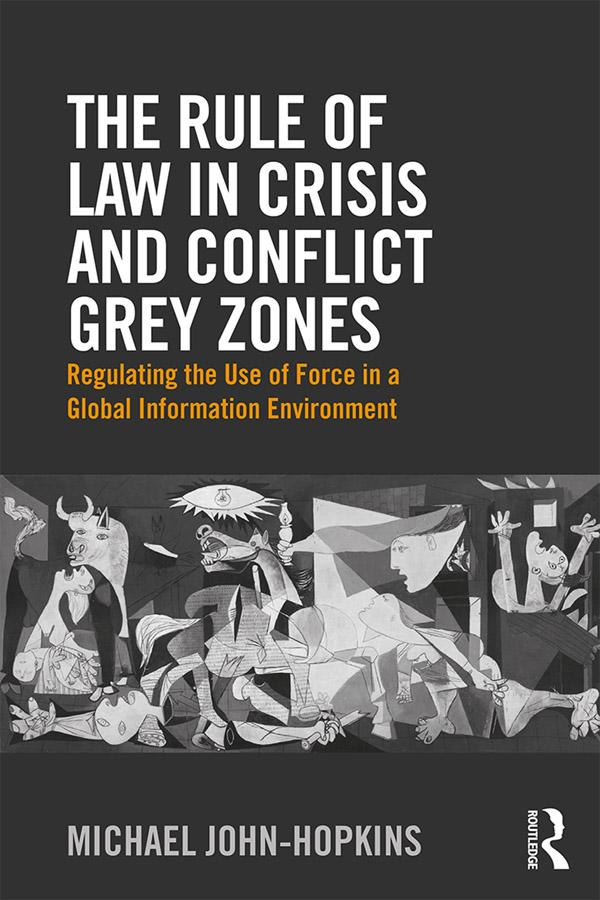
This book responds to ongoing calls for clarification and consensus regarding the meaning, scope and interplay of humanitarian law and human rights law in the ‘grey zones’ of unconventional operational environments such as counterterrorism and counterinsurgency operations. It contributes to the debate in this area by developing objective criteria for determining where the shift from the legal framework of law enforcement to that of non-international armed conflict occurs in relation to targeting law and weaponry law; by developing improved objective criteria for determining what constitutes direct participation in hostilities and de facto membership in an organised armed group; by taking stock of how existing targeting and weaponry rules are being applied to unconventional conflicts within civilian populated areas by key state players as well as by international and regional human rights mechanisms; by arguing for the progressive realisation of targeting and weaponry law so that they are more fitting for operational environments that are increasingly urbanised and civilianised; by seeking to understand how global networked connectivity may affect our understanding of the operational theatre of war and the geographical reach of the legal framework of non-international armed conflict.
Płać wygodnie kartą, Klarną, Apple Pay lub Google Pay. Nie jesteś zadowolony? Zawsze masz 14-dniową gwarancję zwrotu pieniędzy. Więcej przeczytasz w naszych warunkach. Masz pytania? Napisz do nas na hello@memmo.org.
Memmo ułatwia naukę – gdziekolwiek jesteś na świecie. U nas znajdziesz podręczniki i sprytne narzędzia do nauki w jednym miejscu: streszczenia, quizy, podcasty i fiszki. A do tego Ted, Twój kumpel do nauki, który odpowie na wszystko, co Cię nurtuje. Ponad 50 000 studentów już tu się uczy – stworzone, byś uczył się szybciej i mniej stresował.