
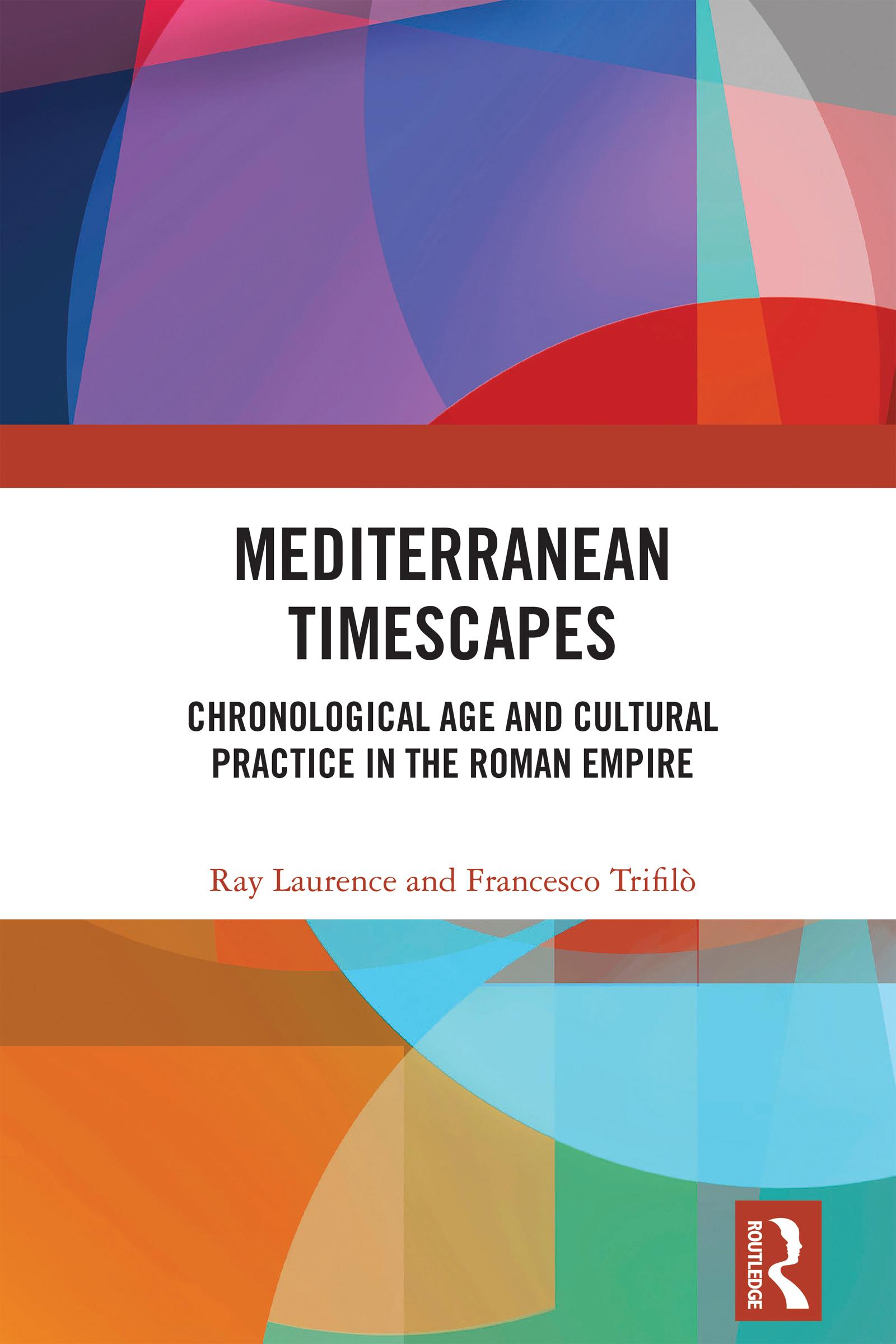
This book, built around the study of the representation of age and identity in 23,000 Latin funerary epitaphs from the Western Mediterranean in the Roman era, sets out how the use of age in inscriptions, and in turn, time, varied across this region.
Discrepancies between the use of time to represent identity in death allow readers to begin to understand the differences between the cultures of Roman Italy and contemporary societies in North Africa, Spain and southern Gaul. The analysis focuses on the timescapes of cemeteries, a key urban phenomenon, in relation to other markers of time, including the Roman invention of the birthday, the revering of the dead at the Parentalia and the topoi of life’s stages. In doing so, the book contributes to our understanding of gender, the city, the family, the role of the military, freed slaves and cultural changes during this period. The concept of the timescape is seen to have varied geographically across the Mediterranean, bringing into question claims of cultural unity for the Western Mediterranean as a region.
Mediterranean Timescapes is of interest to students and scholars of Roman history and archaeology, particularly that of the Western Mediterranean, and ancient social history.
Płać wygodnie kartą, Klarną, Apple Pay lub Google Pay. Nie jesteś zadowolony? Zawsze masz 14-dniową gwarancję zwrotu pieniędzy. Więcej przeczytasz w naszych warunkach. Masz pytania? Napisz do nas na hello@memmo.org.
Memmo ułatwia naukę – gdziekolwiek jesteś na świecie. U nas znajdziesz podręczniki i sprytne narzędzia do nauki w jednym miejscu: streszczenia, quizy, podcasty i fiszki. A do tego Ted, Twój kumpel do nauki, który odpowie na wszystko, co Cię nurtuje. Ponad 50 000 studentów już tu się uczy – stworzone, byś uczył się szybciej i mniej stresował.