
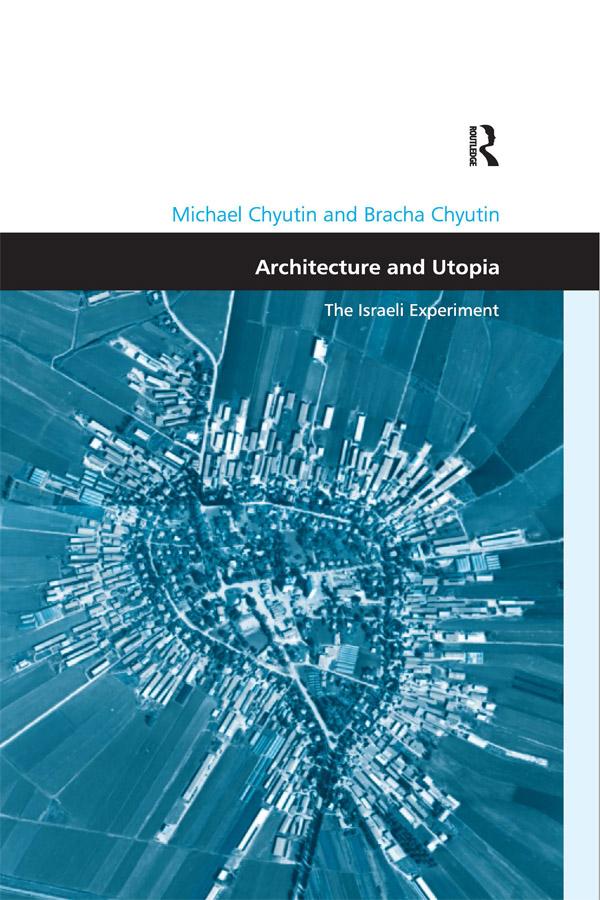
There are more than 450 Moshavim settlements and about 270 kibbutzim in Israel. While there is a range of communal and cooperative kibbutz movements, all with slight ideological differences, they are all collective rural communities, based on an ideal to create a social utopian settlement. Placing the kibbutz within the wider context of utopian social ideals and how they have historically been physically and architecturally constructed, this book discusses the form of the 'ideal settlement' as an integral part and means for realizing a utopian doctrine. It presents an analysis of physical planning in the kibbutz through the past eight decades and how changes in ideology are reflected in changes in layout and aesthetics. In doing so, this book shows how a utopian settlement organization behaves over time, from their first appearance in 1920 on, to an examination of the current spatial layouts and the directions of their expected future development.
Płać wygodnie kartą, Klarną, Apple Pay lub Google Pay. Nie jesteś zadowolony? Zawsze masz 14-dniową gwarancję zwrotu pieniędzy. Więcej przeczytasz w naszych warunkach. Masz pytania? Napisz do nas na hello@memmo.org.
Memmo ułatwia naukę – gdziekolwiek jesteś na świecie. U nas znajdziesz podręczniki i sprytne narzędzia do nauki w jednym miejscu: streszczenia, quizy, podcasty i fiszki. A do tego Ted, Twój kumpel do nauki, który odpowie na wszystko, co Cię nurtuje. Ponad 50 000 studentów już tu się uczy – stworzone, byś uczył się szybciej i mniej stresował.
Może Ci się spodobać
Kup książkę0