
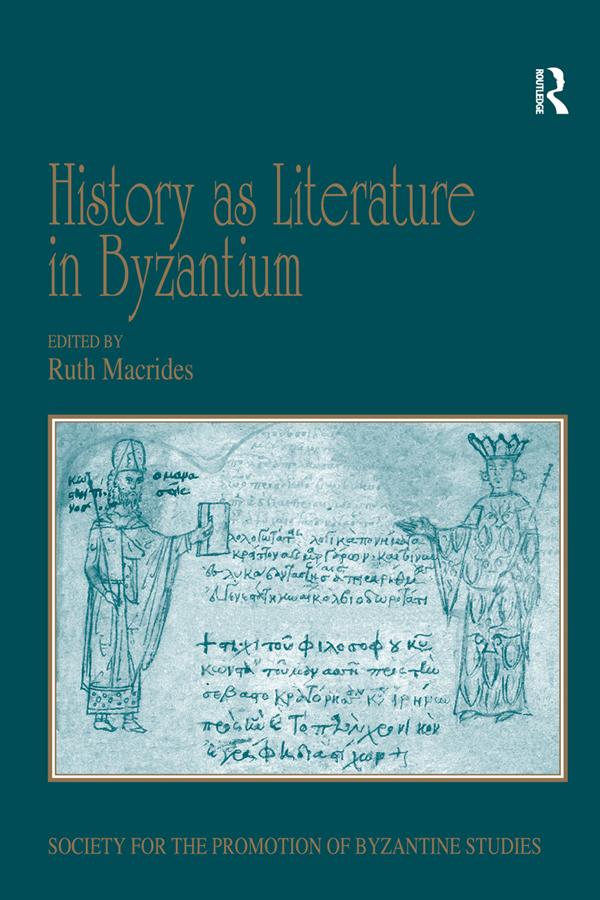
Although perceived since the sixteenth century as the most impressive literary achievement of Byzantine culture, historical writing nevertheless remains little studied as literature. Historical texts are still read first and foremost for nuggets of information, as main sources for the reconstruction of the events of Byzantine history. Whatever can be called literary in these works has been considered as external and detachable from the facts. The 'classical tradition' inherited by Byzantine writers, the features that Byzantine authors imitated and absorbed, are regarded as standing in the way of understanding the true meaning of the text and, furthermore, of contaminating the reliability of the history. Chronicles, whose language and style are anything but classicizing, have been held in low esteem, for they are seen as providing a mere chronological exposition of events. This book presents a set of articles by an international cast of contributors, deriving from papers delivered at the 40th annual Spring Symposium of Byzantine Studies. They are concerned with historical and visual narratives that date from the sixth to the fourteenth century, and aim to show that literary analyses and the study of pictorial devices, far from being tangential to the study of historical texts, are preliminary to their further study, exposing the deeper structures and purposes of these texts.
Płać wygodnie kartą, Klarną, Apple Pay lub Google Pay. Nie jesteś zadowolony? Zawsze masz 14-dniową gwarancję zwrotu pieniędzy. Więcej przeczytasz w naszych warunkach. Masz pytania? Napisz do nas na hello@memmo.org.
Memmo ułatwia naukę – gdziekolwiek jesteś na świecie. U nas znajdziesz podręczniki i sprytne narzędzia do nauki w jednym miejscu: streszczenia, quizy, podcasty i fiszki. A do tego Ted, Twój kumpel do nauki, który odpowie na wszystko, co Cię nurtuje. Ponad 50 000 studentów już tu się uczy – stworzone, byś uczył się szybciej i mniej stresował.
Może Ci się spodobać
Kup książkę0