
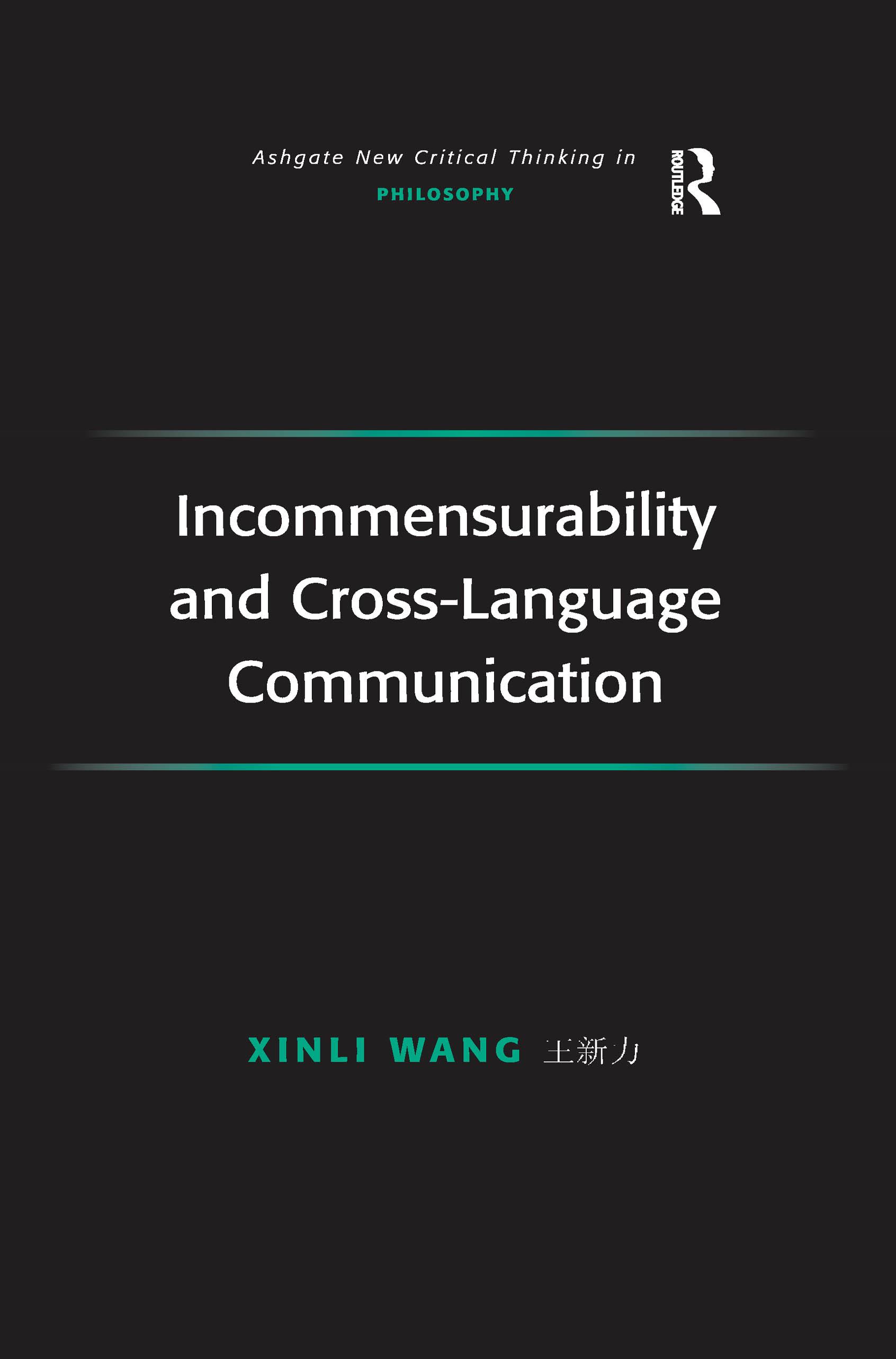
A dominant epistemological assumption behind Western philosophy is that it is possible to locate some form of commonality between languages, traditions, or cultures - such as a common language or lexicon, or a common notion of rationality - which makes full linguistic communication between them always attainable. Xinli Wang argues that the thesis of incommensurability challenges this assumption by exploring why and how linguistic communication between two conceptually disparate languages, traditions, or cultures is often problematic and even unattainable. According to Wang's presuppositional interpretation of incommensurability, the real secret of incommensurability lies in the ontological set-ups of two competing presuppositional languages. This book provides many original contributions to the discussion of incommensurability and related issues in philosophy and offers valuable insights to scholars in other fields, such as anthropology, communication, linguistics, scientific education, and cultural studies.
Płać wygodnie kartą, Klarną, Apple Pay lub Google Pay. Nie jesteś zadowolony? Zawsze masz 14-dniową gwarancję zwrotu pieniędzy. Więcej przeczytasz w naszych warunkach. Masz pytania? Napisz do nas na hello@memmo.org.
Memmo ułatwia naukę – gdziekolwiek jesteś na świecie. U nas znajdziesz podręczniki i sprytne narzędzia do nauki w jednym miejscu: streszczenia, quizy, podcasty i fiszki. A do tego Ted, Twój kumpel do nauki, który odpowie na wszystko, co Cię nurtuje. Ponad 50 000 studentów już tu się uczy – stworzone, byś uczył się szybciej i mniej stresował.
Może Ci się spodobać
Kup książkę0