
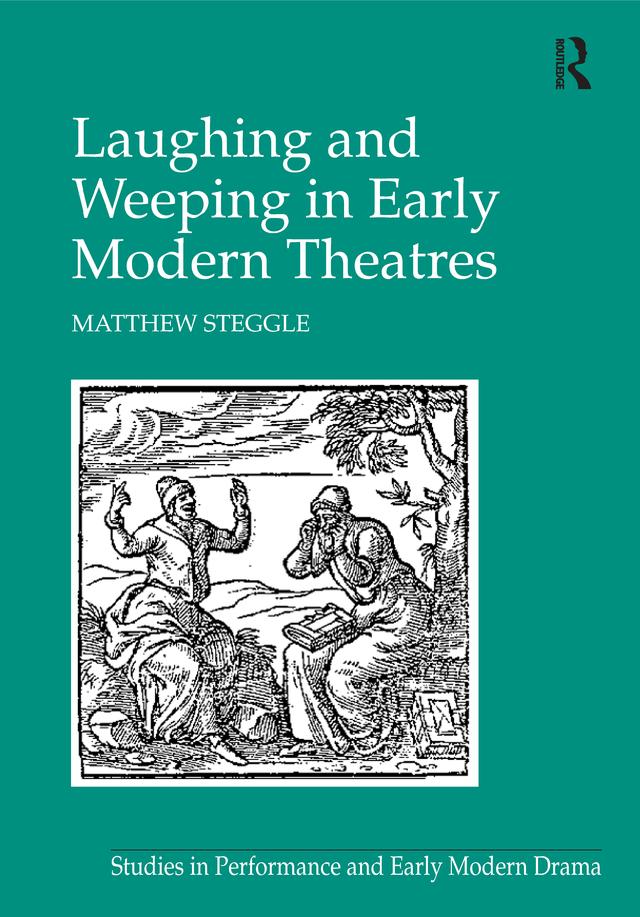
Did Shakespeare's original audiences weep? Equally, while it seems obvious that they must have laughed at plays performed in early modern theatres, can we say anything about what their laughter sounded like, about when it occurred, and about how, culturally, it was interpreted? Related to both of these problems of audience behaviour is that of the stage representation of laughing, and weeping, both actions performed with astonishing frequency in early modern drama. Each action is associated with a complex set of non-verbal noises, gestures, and cultural overtones, and each is linked to audience behaviour through one of the axioms of Renaissance dramatic theory: that weeping and laughter on stage cause, respectively, weeping and laughter in the audience. This book is a study of laughter and weeping in English theatres, broadly defined, from around 1550 until their closure in 1642. It is concerned both with the representation of these actions on the stage, and with what can be reconstructed about the laughter and weeping of theatrical audiences themselves, arguing that both actions have a peculiar importance in defining the early modern theatrical experience.
Płać wygodnie kartą, Klarną, Apple Pay lub Google Pay. Nie jesteś zadowolony? Zawsze masz 14-dniową gwarancję zwrotu pieniędzy. Więcej przeczytasz w naszych warunkach. Masz pytania? Napisz do nas na hello@memmo.org.
Memmo ułatwia naukę – gdziekolwiek jesteś na świecie. U nas znajdziesz podręczniki i sprytne narzędzia do nauki w jednym miejscu: streszczenia, quizy, podcasty i fiszki. A do tego Ted, Twój kumpel do nauki, który odpowie na wszystko, co Cię nurtuje. Ponad 50 000 studentów już tu się uczy – stworzone, byś uczył się szybciej i mniej stresował.
Może Ci się spodobać
Kup książkę0