
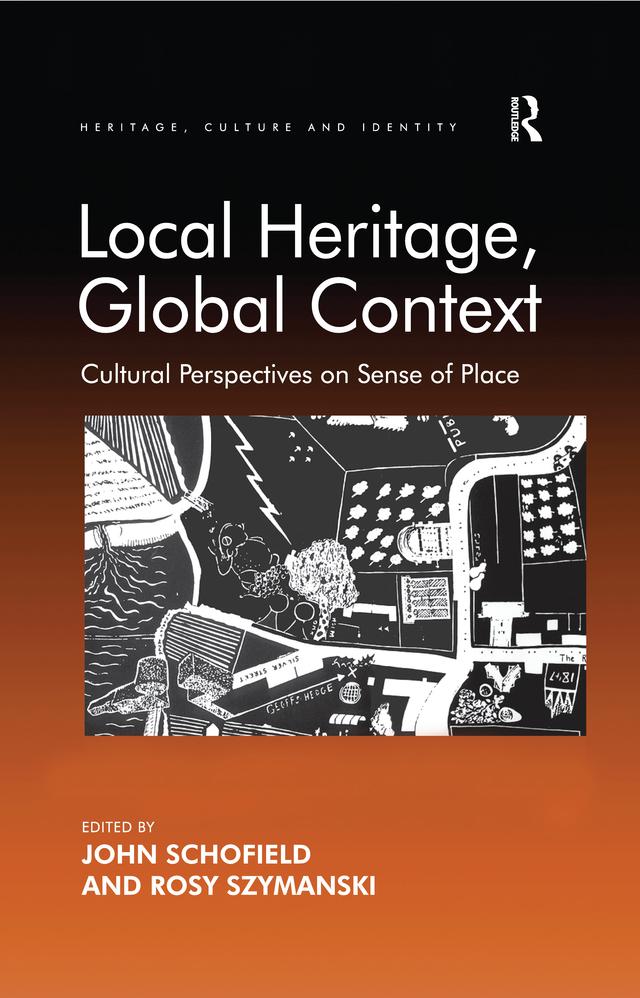
'Sense of place' has become a familiar phrase, used to describe emotional attachment to a particular location. As heritage management policy and practices increasingly attempt to draw on the views and expressions of interest amongst local communities, it is important to have a better grasp of what people mean by this concept, and to assess its uses and implications. Here, a range of practitioners from NGO, agency, cultural heritage and archaeological backgrounds review the meanings of 'sense of place', and where it is useful in the context of heritage management practice. This volume breaks new ground in specifically addressing place attachment from a cultural heritage perspective, and drawing on local and national interests from a diversity of cultural situations. Illustrated with case studies from around Europe and Australia, the book addresses key themes, including the rootedness amongst communities in the past; policy-making for accommodating senses of place within planning and management, for land- sea- and city-scapes; official versus unofficial views; and the often difficult balance between planning policies that extend from regional to global scale, and local actions and perceptions.
Płać wygodnie kartą, Klarną, Apple Pay lub Google Pay. Nie jesteś zadowolony? Zawsze masz 14-dniową gwarancję zwrotu pieniędzy. Więcej przeczytasz w naszych warunkach. Masz pytania? Napisz do nas na hello@memmo.org.
Memmo ułatwia naukę – gdziekolwiek jesteś na świecie. U nas znajdziesz podręczniki i sprytne narzędzia do nauki w jednym miejscu: streszczenia, quizy, podcasty i fiszki. A do tego Ted, Twój kumpel do nauki, który odpowie na wszystko, co Cię nurtuje. Ponad 50 000 studentów już tu się uczy – stworzone, byś uczył się szybciej i mniej stresował.
Może Ci się spodobać
Kup książkę0