
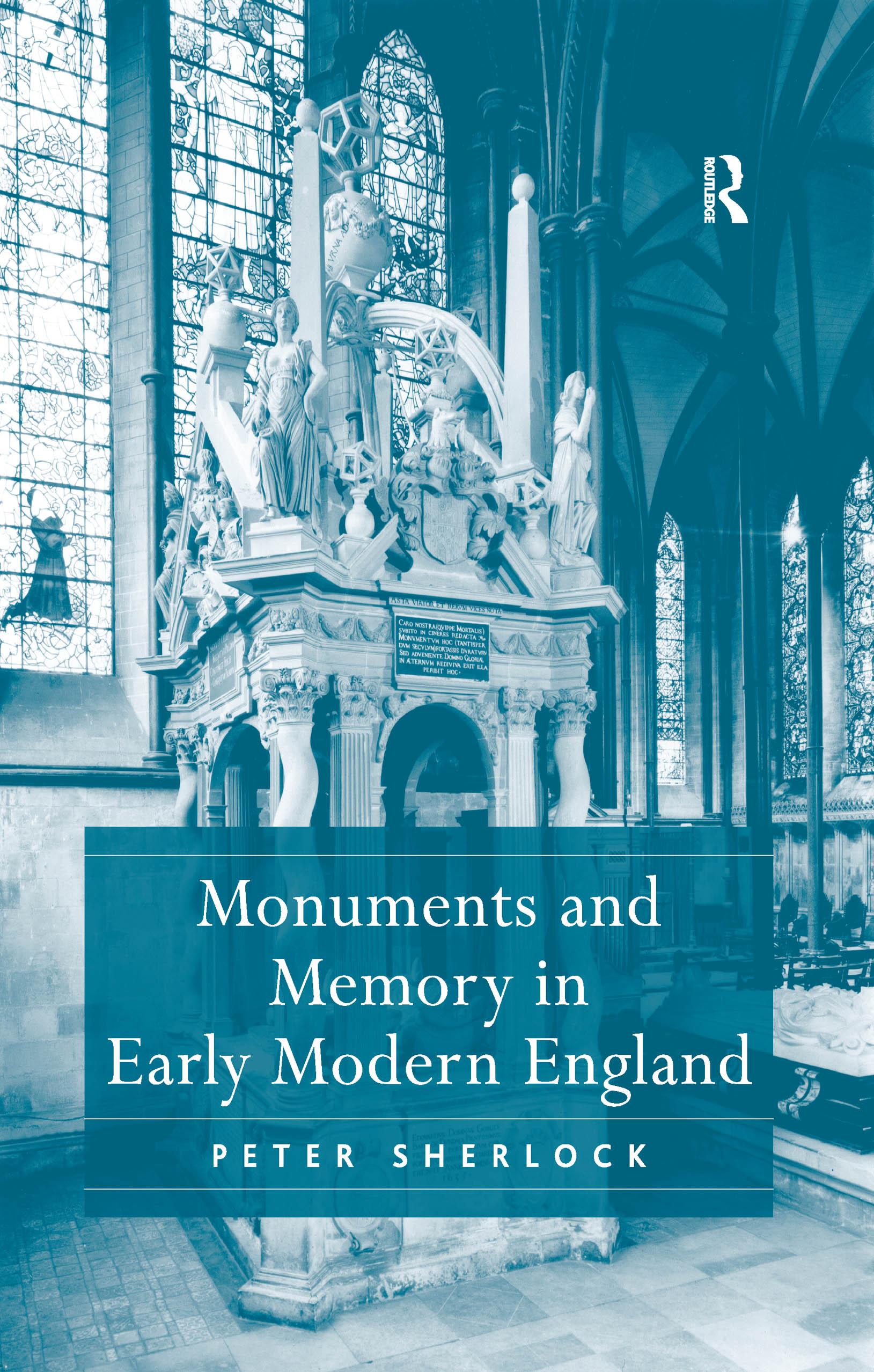
Funeral monuments are fascinating and diverse cultural relics that continue to captivate visitors to English churches, yet we still know relatively little about the messages they attempt to convey across the centuries. This book is a study of the material culture of memory in sixteenth and seventeenth-century England. By interpreting the images and inscriptions on monuments to the dead, it explores how early modern people wanted to be remembered - their social vision, cultural ideals, religious beliefs and political values. Arguing that early modern English monuments were not simply formulaic statements about death and memory, Dr Sherlock instead reveals them to be deliberately crafted messages to future generations. Through careful reading of monuments he shows that much can be learned about how men and women conceived of the world around them and shifting concepts of gender, social order and the place of humans within the universe. In post-Reformation England, the dead became superior to the living, as monuments trumpeted their fame and their confidence in the resurrection. This study aims to stimulate historians to attempt to reconstruct and engage with the world view of past generations through the unique and under-utilised medium of funeral monuments. In so doing it is hoped that more light may be shed on how memory was created, controlled and contested in pre-modern society, and encourage the on-going debate about the ways in which understandings of the past shape the present and future.
Płać wygodnie kartą, Klarną, Apple Pay lub Google Pay. Nie jesteś zadowolony? Zawsze masz 14-dniową gwarancję zwrotu pieniędzy. Więcej przeczytasz w naszych warunkach. Masz pytania? Napisz do nas na hello@memmo.org.
Memmo ułatwia naukę – gdziekolwiek jesteś na świecie. U nas znajdziesz podręczniki i sprytne narzędzia do nauki w jednym miejscu: streszczenia, quizy, podcasty i fiszki. A do tego Ted, Twój kumpel do nauki, który odpowie na wszystko, co Cię nurtuje. Ponad 50 000 studentów już tu się uczy – stworzone, byś uczył się szybciej i mniej stresował.
Może Ci się spodobać
Kup książkę0