
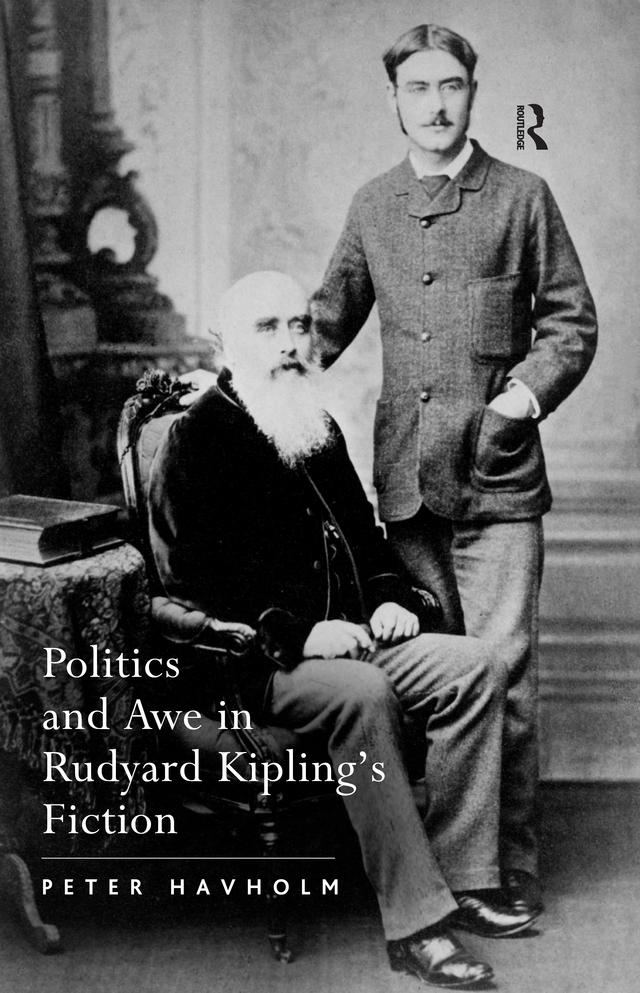
There has been a resurgence of interest in Kipling among critics who struggle to reconcile the multiple pleasures offered by his fiction with the controversial political ideas that inform it. Peter Havholm takes up the challenge, piecing together Kipling's understanding of empire and humanity from evidence in Anglo-Indian and Indian newspapers of the 1870s and 1880s and offering a new explanation for Kipling's post-1891 turn to fantasy and stories written to be enjoyed by children. By dovetailing detailed contextual knowledge of British India with informed and sensitive close readings of well-known works like 'The Man Who Would Be King',' Kim', 'The Light That Failed', and 'They', Havholm offers a fresh reading of Kipling's early and late stories that acknowledges Kipling's achievement as a writer and illuminates the seductive allure of the imperialist fantasy.
Płać wygodnie kartą, Klarną, Apple Pay lub Google Pay. Nie jesteś zadowolony? Zawsze masz 14-dniową gwarancję zwrotu pieniędzy. Więcej przeczytasz w naszych warunkach. Masz pytania? Napisz do nas na hello@memmo.org.
Memmo ułatwia naukę – gdziekolwiek jesteś na świecie. U nas znajdziesz podręczniki i sprytne narzędzia do nauki w jednym miejscu: streszczenia, quizy, podcasty i fiszki. A do tego Ted, Twój kumpel do nauki, który odpowie na wszystko, co Cię nurtuje. Ponad 50 000 studentów już tu się uczy – stworzone, byś uczył się szybciej i mniej stresował.
Może Ci się spodobać
Kup książkę0