
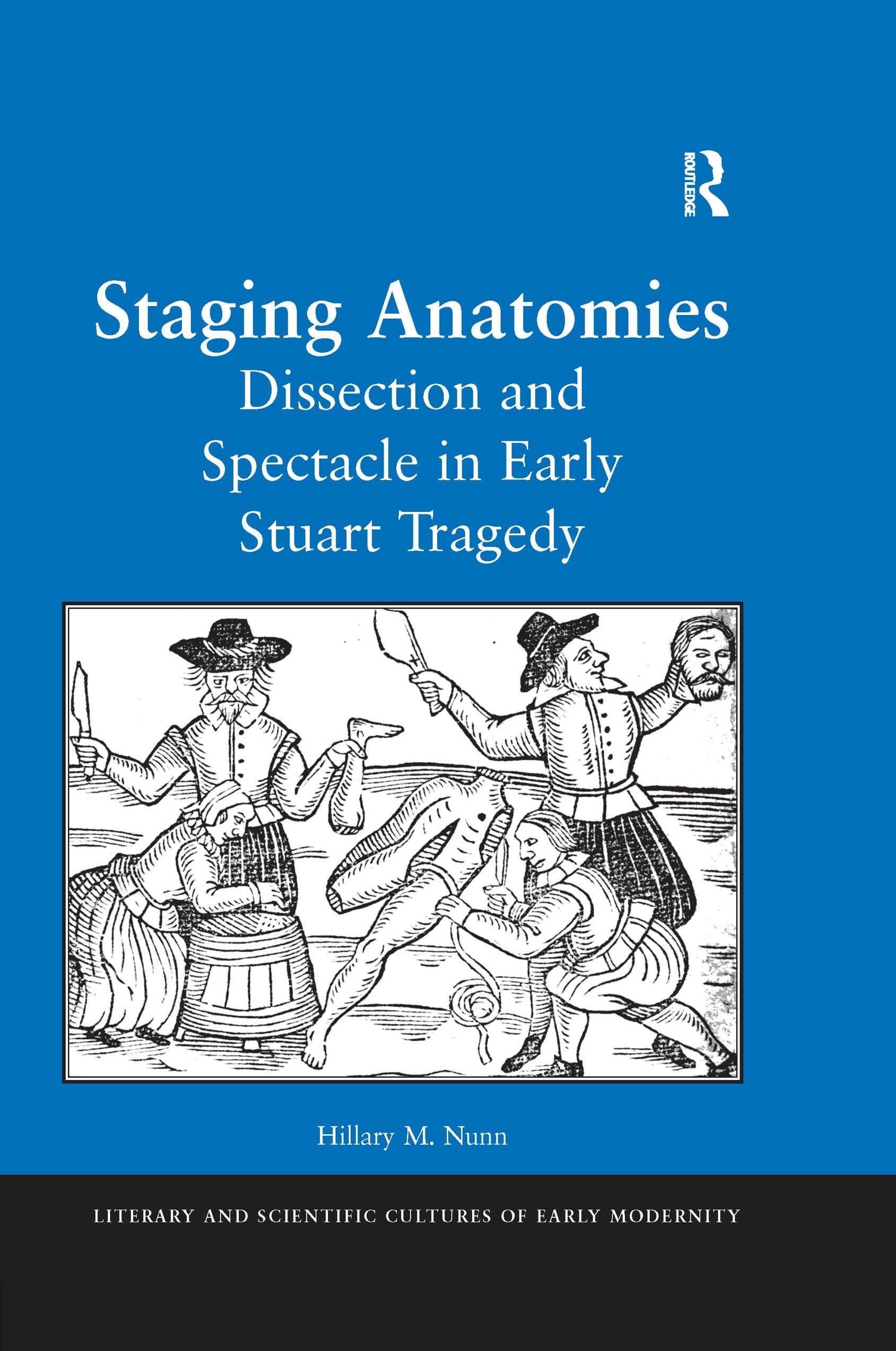
Hillary M. Nunn here traces the connections between the London public's interest in medical dissection and the changing cultural significance of bloodshed on the early Stuart playhouse stage. Considering the playhouses' role within the social world of early modern London, Nunn explores the influence of public dissection upon the presentation of human bodies in well-known plays such as King Lear, as well as in a wide range of often neglected early Stuart tragedies like The Second Maiden's Tragedy and Revenge for Honour. In addition to dramatic texts, the study draws heavily on anatomy treatises and popular pamphlets of the time. Incorporating views of anatomy's significance from a wide range of sources, this study shows the ways in which early Stuart dramatists called upon Londoners' increasing fascination with anatomical dissection to shape the staging of their tragedies.
Płać wygodnie kartą, Klarną, Apple Pay lub Google Pay. Nie jesteś zadowolony? Zawsze masz 14-dniową gwarancję zwrotu pieniędzy. Więcej przeczytasz w naszych warunkach. Masz pytania? Napisz do nas na hello@memmo.org.
Memmo ułatwia naukę – gdziekolwiek jesteś na świecie. U nas znajdziesz podręczniki i sprytne narzędzia do nauki w jednym miejscu: streszczenia, quizy, podcasty i fiszki. A do tego Ted, Twój kumpel do nauki, który odpowie na wszystko, co Cię nurtuje. Ponad 50 000 studentów już tu się uczy – stworzone, byś uczył się szybciej i mniej stresował.
Może Ci się spodobać
Kup książkę0