
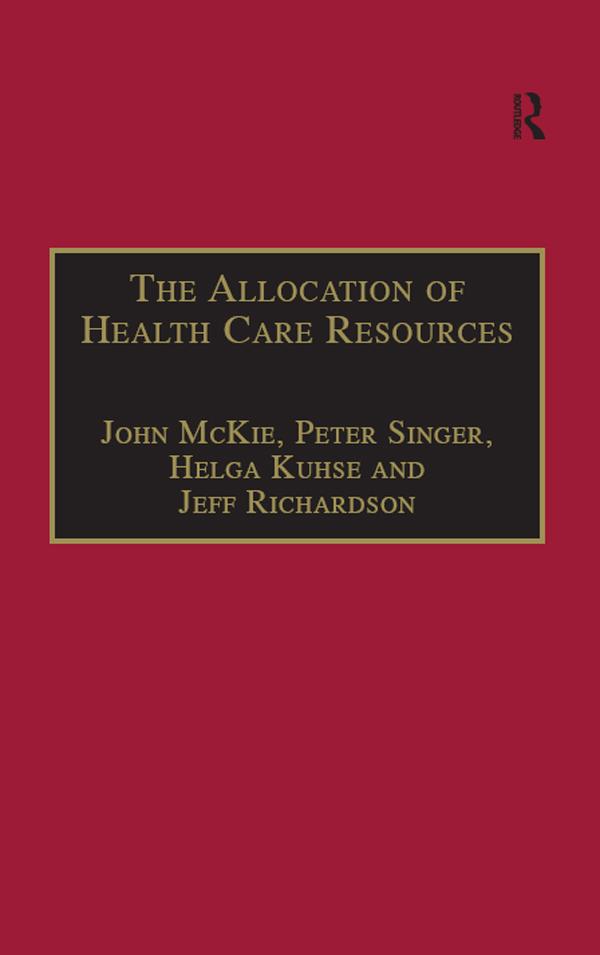
The competition for limited health care resources is intensifying. We urgently need an acceptable method for deciding how they should be allocated. But the goods that health care produces are of very different kinds. Health care can extend the lives of children and of older people. It can make it possible for a person to walk, when without health care that person would be permanently bedridden; and it can reduce the pain and distress of people who are terminally ill. How can we possibly decide which of these - and many more - diverse achievements of health care are more deserving than others? We need a common unit by which we might be able to measure these very different goods. The Quality-Adjusted Life Year, or QALY, is the most developed proposal for such a unit of measure. In this book a distinguished team of ethicists and economists defend the core of the QALY proposal: that health care resources should be used so as to produce more years of life, of the highest possible quality. This leads to a discussion of such fundamental questions as whether all lives are of equal value, whether health care should be allocated on the basis of need and whether the QALY approach incorporates an adequate account of fairness or justice. The result is the most thorough account yet of the ethical issues raised by the use of the QALY as a basis for allocating health care resources.
Płać wygodnie kartą, Klarną, Apple Pay lub Google Pay. Nie jesteś zadowolony? Zawsze masz 14-dniową gwarancję zwrotu pieniędzy. Więcej przeczytasz w naszych warunkach. Masz pytania? Napisz do nas na hello@memmo.org.
Memmo ułatwia naukę – gdziekolwiek jesteś na świecie. U nas znajdziesz podręczniki i sprytne narzędzia do nauki w jednym miejscu: streszczenia, quizy, podcasty i fiszki. A do tego Ted, Twój kumpel do nauki, który odpowie na wszystko, co Cię nurtuje. Ponad 50 000 studentów już tu się uczy – stworzone, byś uczył się szybciej i mniej stresował.
Może Ci się spodobać
Kup książkę0