
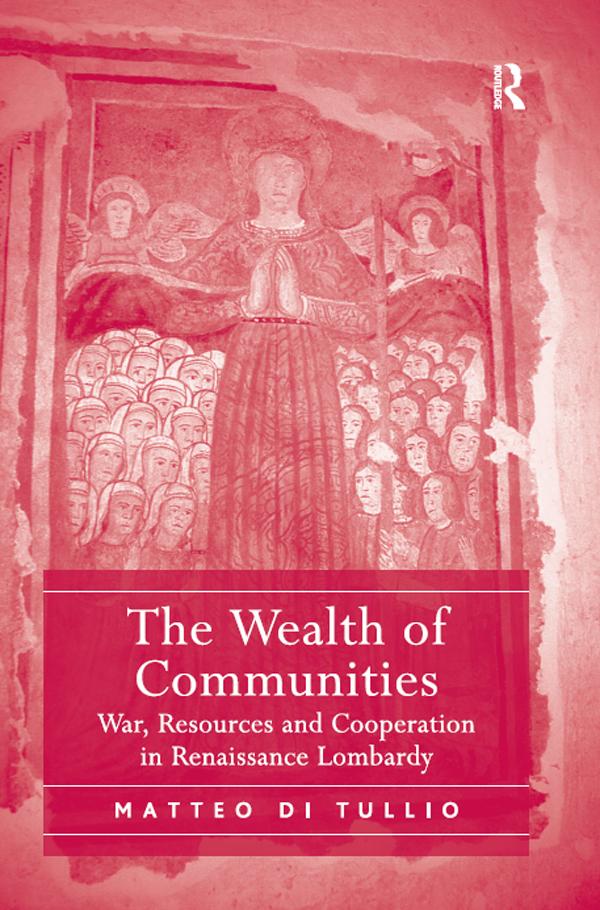
The early decades of the sixteenth century were a turbulent time for the Italian peninsula as competing centres of power struggled for political control. Nowhere was this more true than the area contested by Milan and Venice, that was constantly crossed and occupied by rival armies. Investigating the impact of successive crises upon the inhabitants of the Po Valley, this book challenges many fundamental assumptions about the relationship between war and economic development and draws conclusion that have implications for early modern Europe as a whole. In traditional historiography, periods of war and general crisis have often been regarded as promoting a shift in resources from the communal towards a small number of individuals. However, through a close micro-study of a single region, this book offers a different perspective. Rather than promoting an aggressive individualism, it is argued that in times of general crisis, social networks aimed to reproduce themselves and the original status quo by developing creative solutions and institutions favouring co-operation. Furthermore the elites could not always exploit ’local’ wealth because of the need to protect their position of leadership within the community, which required the preservation of that very community. This thesis not only challenges the received wisdom, but also fuels a new debate about the ways in which economic growth occurred in Early Modern Italy and Europe.
Płać wygodnie kartą, Klarną, Apple Pay lub Google Pay. Nie jesteś zadowolony? Zawsze masz 14-dniową gwarancję zwrotu pieniędzy. Więcej przeczytasz w naszych warunkach. Masz pytania? Napisz do nas na hello@memmo.org.
Memmo ułatwia naukę – gdziekolwiek jesteś na świecie. U nas znajdziesz podręczniki i sprytne narzędzia do nauki w jednym miejscu: streszczenia, quizy, podcasty i fiszki. A do tego Ted, Twój kumpel do nauki, który odpowie na wszystko, co Cię nurtuje. Ponad 50 000 studentów już tu się uczy – stworzone, byś uczył się szybciej i mniej stresował.
Może Ci się spodobać
Kup książkę0