
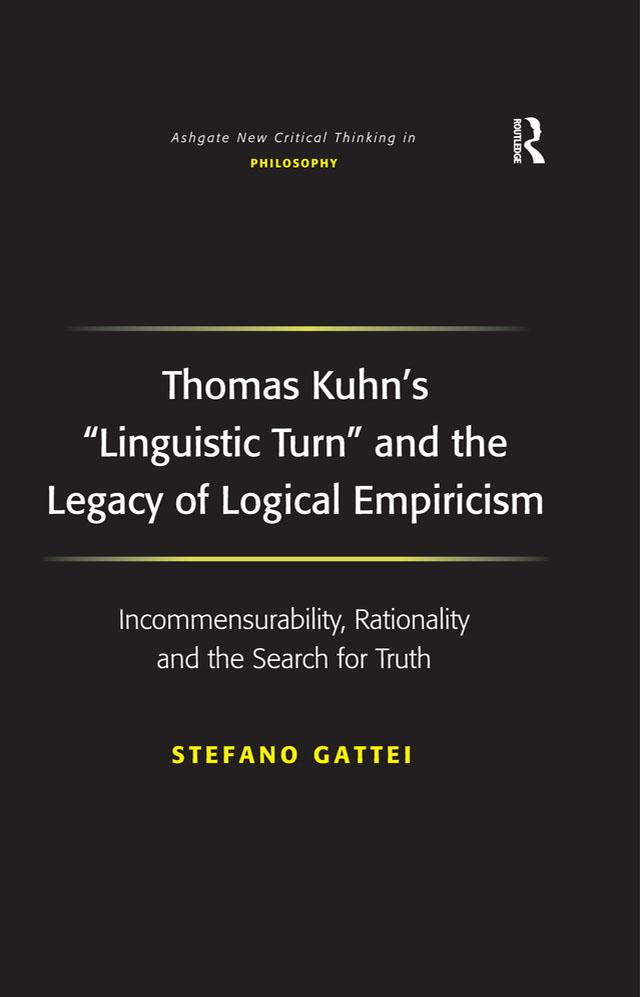
Presenting a critical history of the philosophy of science in the twentieth century, focusing on the transition from logical positivism in its first half to the "new philosophy of science" in its second, Stefano Gattei examines the influence of several key figures, but the main focus of the book are Thomas Kuhn and Karl Popper. Kuhn as the central figure of the new philosophy of science, and Popper as a key philosopher of the time who stands outside both traditions. Gattei makes two important claims about the development of the philosophy of science in the twentieth century; that Kuhn is much closer to positivism than many have supposed, failing to solve the crisis of neopostivism, and that Popper, in responding to the deeper crisis of foundationalism that spans the whole of the Western philosophical tradition, ultimately shows what is untenable in Kuhn's view. Gattei has written a very detailed and fine grained, yet accessible discussion making exceptionally interesting use of archive materials.
Płać wygodnie kartą, Klarną, Apple Pay lub Google Pay. Nie jesteś zadowolony? Zawsze masz 14-dniową gwarancję zwrotu pieniędzy. Więcej przeczytasz w naszych warunkach. Masz pytania? Napisz do nas na hello@memmo.org.
Memmo ułatwia naukę – gdziekolwiek jesteś na świecie. U nas znajdziesz podręczniki i sprytne narzędzia do nauki w jednym miejscu: streszczenia, quizy, podcasty i fiszki. A do tego Ted, Twój kumpel do nauki, który odpowie na wszystko, co Cię nurtuje. Ponad 50 000 studentów już tu się uczy – stworzone, byś uczył się szybciej i mniej stresował.
Może Ci się spodobać
Kup książkę0