
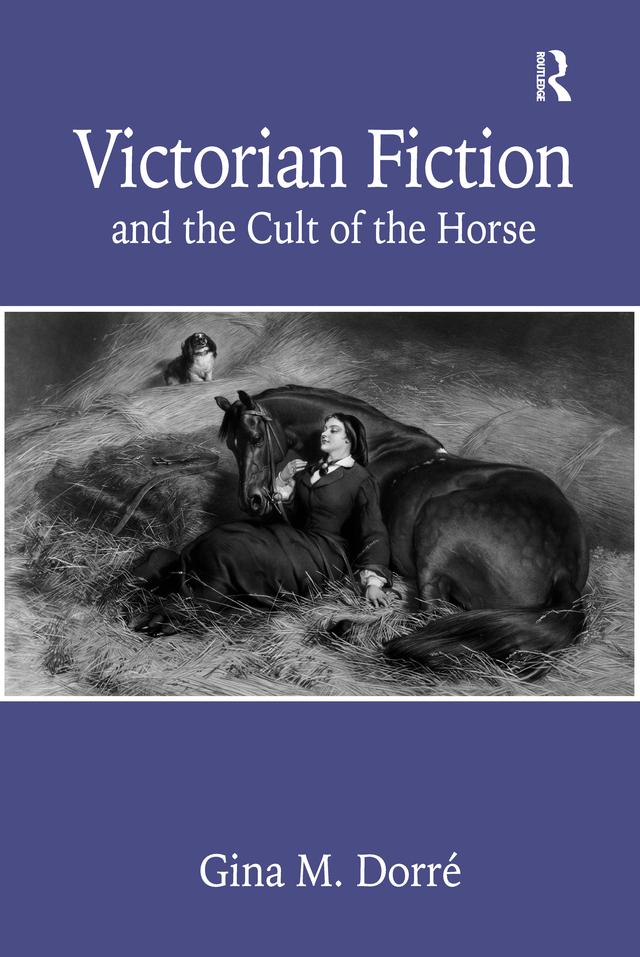
The horse was essential to the workings of Victorian society, and its representations, which are vast, ranging, and often contradictory, comprise a vibrant cult of the horse. Examining the representational, emblematic, and rhetorical uses of horses in a diversity of nineteenth-century texts, Gina M. Dorré shows how discourses about horses reveal and negotiate anxieties related to industrialism and technology, constructions of gender and sexuality, ruptures in the social fabric caused by class conflict and mobility, and changes occasioned by national "progress" and imperial expansion. She argues that as a cultural object, the horse functions as a repository of desire and despair in a society rocked by astonishing social, economic, and technological shifts. While representations of horses abound in Victorian fiction, Gina M. Dorré's study focuses on those novels by Charles Dickens, Elizabeth Braddon, Anna Sewell, and George Moore that engage with the most impassioned controversies concerning horses and horse-care, such as the introduction of the steam engine, popular new methods of horse-taming, debates over the tight-reining of horses, and the moral furor surrounding gambling at the race track. Her book establishes the centrality of the horse as a Victorian cultural icon and explores how through it, dominant ideologies of gender and class are created, promoted, and disrupted.
Strony: 192
Kategoria: Litteraturvetenskap & Teori
e-ISBN: 9781351875899
Waga przesyłki: 1.2 kg
Wysyłka w ciągu: 1-2 dni
Płać wygodnie kartą, Klarną, Apple Pay lub Google Pay. Nie jesteś zadowolony? Zawsze masz 14-dniową gwarancję zwrotu pieniędzy. Więcej przeczytasz w naszych warunkach. Masz pytania? Napisz do nas na hello@memmo.org.
Memmo ułatwia naukę – gdziekolwiek jesteś na świecie. U nas znajdziesz podręczniki i sprytne narzędzia do nauki w jednym miejscu: streszczenia, quizy, podcasty i fiszki. A do tego Ted, Twój kumpel do nauki, który odpowie na wszystko, co Cię nurtuje. Ponad 50 000 studentów już tu się uczy – stworzone, byś uczył się szybciej i mniej stresował.
Może Ci się spodobać
Kup książkę0