
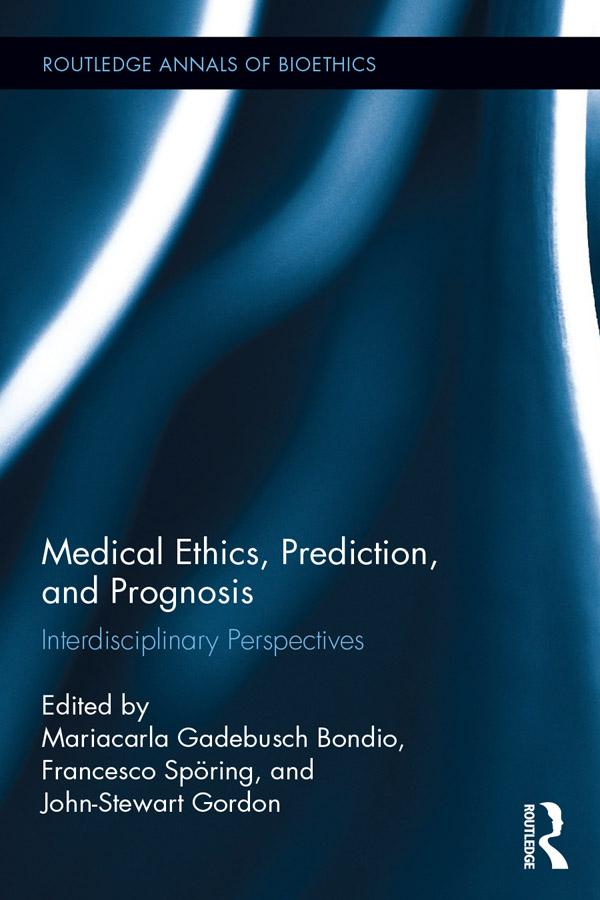
Recent scientific developments, in particular advances in pharmacogenetics and molecular genetics, have given rise to numerous predictive procedures for detecting predispositions to diseases in patients. This knowledge, however, does not necessarily promise benign results for either patients or health care professionals. The aim of this volume is to analyse issues related to prediction and prognosis as a burgeoning field of medicine, which is revolutionizing the way we understand and approach diagnosis and treatment. Combining epistemic and ethical reflection with medical expertise on contemporary practice and research, an interdisciplinary group of international experts critically examine anticipatory medicine from various perspectives, including history of medicine, bioethics, theories of science, and health economics. The highly complex issues involved in medical prediction call for a far-reaching debate on the value and scope of foreknowledge. For example, which responsibilities and burdens arise when still healthy people learn of their predisposition to diseases? How should health care insurance reflect risky life styles? Is the increasing medicalization of life connected with prevention ethically sustainable and financially possible in the developing world? These and other related issues are the subject of this timely and important book, which not only serves as an introduction to the area, but also proposes many feasible solutions to the problems outlined.
Płać wygodnie kartą, Klarną, Apple Pay lub Google Pay. Nie jesteś zadowolony? Zawsze masz 14-dniową gwarancję zwrotu pieniędzy. Więcej przeczytasz w naszych warunkach. Masz pytania? Napisz do nas na hello@memmo.org.
Memmo ułatwia naukę – gdziekolwiek jesteś na świecie. U nas znajdziesz podręczniki i sprytne narzędzia do nauki w jednym miejscu: streszczenia, quizy, podcasty i fiszki. A do tego Ted, Twój kumpel do nauki, który odpowie na wszystko, co Cię nurtuje. Ponad 50 000 studentów już tu się uczy – stworzone, byś uczył się szybciej i mniej stresował.