
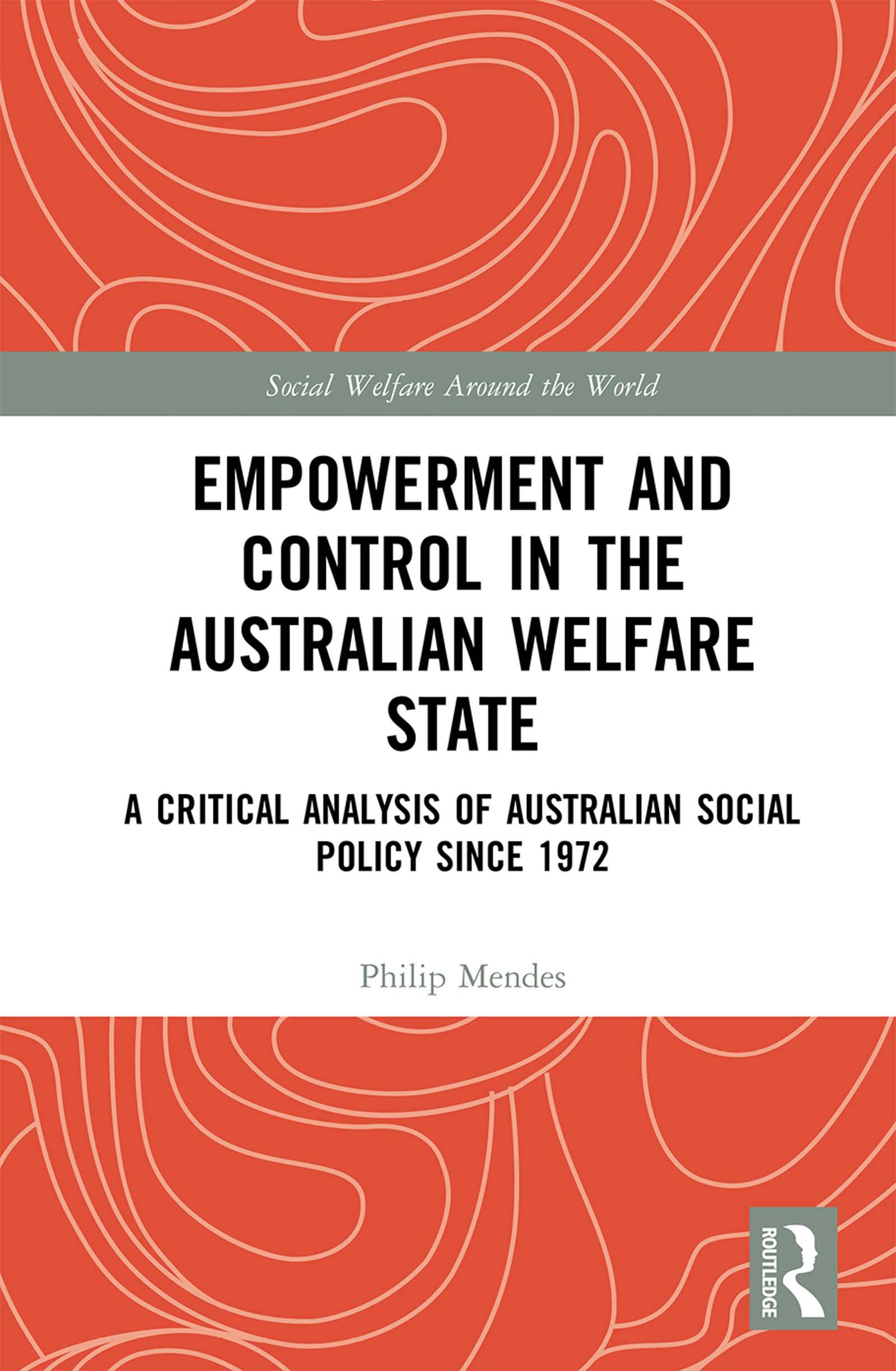
This book explores the tensions between the competing social rights and social control functions of the modern Australian welfare state. By critically examining the history and rhetoric of the Australian welfare state from 1972 to the present day, and using the author’s long-standing research on the Australian Council of Social Service and other welfare advocacy groups, it analyses the transformation from rights-based to conditional welfare.
The Labor Party Government from 1972-75 is identified as the only clear cut example of Australia positively using welfare payments and services as an instrument to promote greater social equity, inclusion and participation. Since the mid-1970s, the Australian welfare state has gradually retreated from the social rights agenda conceived by the Whitlam Government. Australia has followed other Anglo-Saxon countries in adopting increasingly conditional and paternalistic measures that undermine the protection of social citizenship outside the labour market.
In contrast, this text makes the case for an alternative participatory and decentralized welfare state model that would prioritize social care by empowering and supporting welfare service users at a local community level.
This book will be of interest to academics, students and policy-makers working within social policy, social work and political sociology.
Płać wygodnie kartą, Klarną, Apple Pay lub Google Pay. Nie jesteś zadowolony? Zawsze masz 14-dniową gwarancję zwrotu pieniędzy. Więcej przeczytasz w naszych warunkach. Masz pytania? Napisz do nas na hello@memmo.org.
Memmo ułatwia naukę – gdziekolwiek jesteś na świecie. U nas znajdziesz podręczniki i sprytne narzędzia do nauki w jednym miejscu: streszczenia, quizy, podcasty i fiszki. A do tego Ted, Twój kumpel do nauki, który odpowie na wszystko, co Cię nurtuje. Ponad 50 000 studentów już tu się uczy – stworzone, byś uczył się szybciej i mniej stresował.