
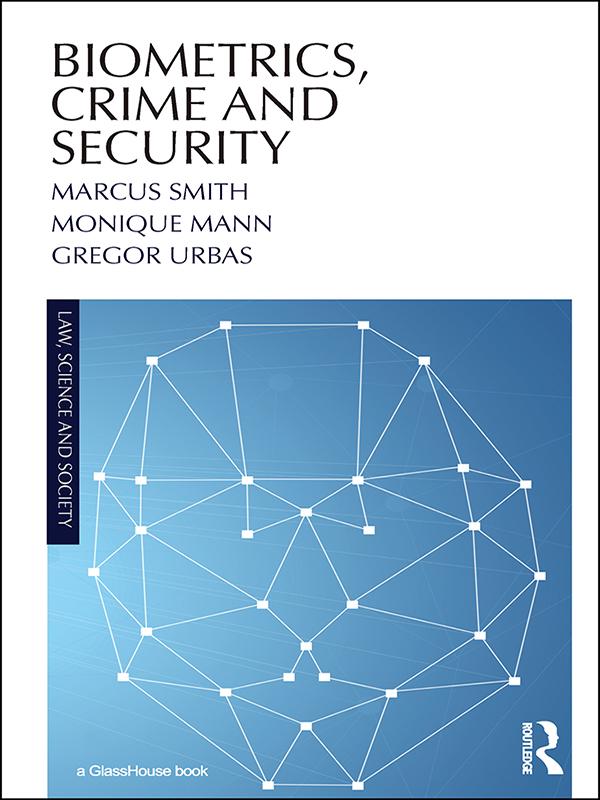
This book addresses the use of biometrics – including fingerprint identification, DNA identification and facial recognition – in the criminal justice system: balancing the need to ensure society is protected from harms, such as crime and terrorism, while also preserving individual rights. It offers a comprehensive discussion of biometric identification that includes a consideration of: basic scientific principles, their historical development, the perspectives of political philosophy, critical security and surveillance studies; but especially the relevant law, policy and regulatory issues. Developments in key jurisdictions where the technology has been implemented, including the United Kingdom, United States, Europe and Australia, are examined. This includes case studies relating to the implementation of new technology, policy, legislation, court judgements, and where available, empirical evaluations of the use of biometrics in criminal justice systems. Examples from non-western areas of the world are also considered. Accessibly written, this book will be of interest to undergraduate, postgraduate and research students, academic researchers, as well as professionals in government, security, legal and private sectors.
Płać wygodnie kartą, Klarną, Apple Pay lub Google Pay. Nie jesteś zadowolony? Zawsze masz 14-dniową gwarancję zwrotu pieniędzy. Więcej przeczytasz w naszych warunkach. Masz pytania? Napisz do nas na hello@memmo.org.
Memmo ułatwia naukę – gdziekolwiek jesteś na świecie. U nas znajdziesz podręczniki i sprytne narzędzia do nauki w jednym miejscu: streszczenia, quizy, podcasty i fiszki. A do tego Ted, Twój kumpel do nauki, który odpowie na wszystko, co Cię nurtuje. Ponad 50 000 studentów już tu się uczy – stworzone, byś uczył się szybciej i mniej stresował.