
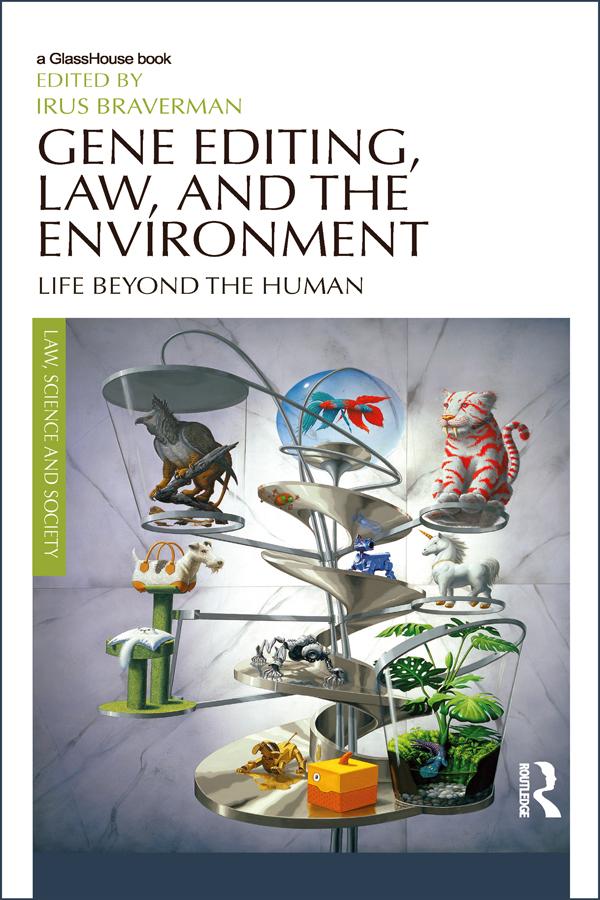
Technologies like CRISPR and gene drives are ushering in a new era of genetic engineering, wherein the technical means to modify DNA are cheaper, faster, more accurate, more widely accessible, and with more far-reaching effects than ever before. These cutting-edge technologies raise legal, ethical, cultural, and ecological questions that are so broad and consequential for both human and other-than-human life that they can be difficult to grasp. What is clear, however, is that the power to directly alter not just a singular form of life but also the genetics of entire species and thus the composition of ecosystems is currently both inadequately regulated and undertheorized. In Gene Editing, Law, and the Environment, distinguished scholars from law, the life sciences, philosophy, environmental studies, science and technology studies, animal health, and religious studies examine what is at stake with these new biotechnologies for life and law, both human and beyond.
Płać wygodnie kartą, Klarną, Apple Pay lub Google Pay. Nie jesteś zadowolony? Zawsze masz 14-dniową gwarancję zwrotu pieniędzy. Więcej przeczytasz w naszych warunkach. Masz pytania? Napisz do nas na hello@memmo.org.
Memmo ułatwia naukę – gdziekolwiek jesteś na świecie. U nas znajdziesz podręczniki i sprytne narzędzia do nauki w jednym miejscu: streszczenia, quizy, podcasty i fiszki. A do tego Ted, Twój kumpel do nauki, który odpowie na wszystko, co Cię nurtuje. Ponad 50 000 studentów już tu się uczy – stworzone, byś uczył się szybciej i mniej stresował.