
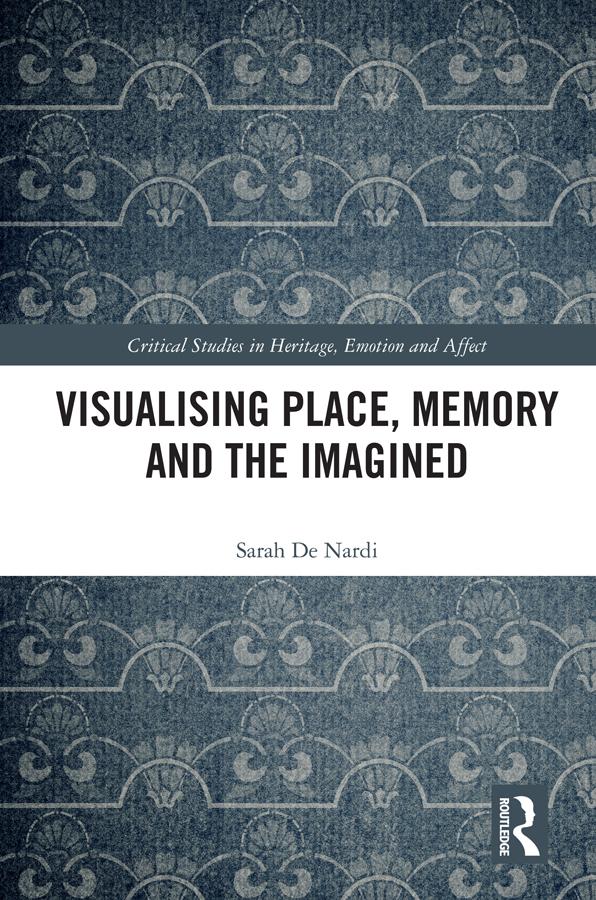
This book probes into how communities and social groups construct their understanding of the world through real and imagined experiences of place. The book seeks to connect the dots of the factual and the imaginary that form
affective networks of identities, which help shape local memory and sense of self and community, as well as a sense of the past. It exploits the concept of make-believe spaces – in the environment, storytelling and mnemonic narratives – as a social framework that aligns and informs the everyday memory worlds of communities. Drawing upon fieldwork in cultural heritage, community archaeology, social history and conflict history and anthropology, this text offers a methodological framework within which social groups may position and enact the multiple senses of place and senses of the past inhabited and performed in different cultural contexts.
This book serves to illustrate a useful visualisation methodology which can be used in participatory fieldwork and thus will be of interest to heritage specialists, ethnographers and cultural geographers and oral history practitioners who will particularly find the methodology cheap, easy to replicate and enjoyable for community-based projects.
Płać wygodnie kartą, Klarną, Apple Pay lub Google Pay. Nie jesteś zadowolony? Zawsze masz 14-dniową gwarancję zwrotu pieniędzy. Więcej przeczytasz w naszych warunkach. Masz pytania? Napisz do nas na hello@memmo.org.
Memmo ułatwia naukę – gdziekolwiek jesteś na świecie. U nas znajdziesz podręczniki i sprytne narzędzia do nauki w jednym miejscu: streszczenia, quizy, podcasty i fiszki. A do tego Ted, Twój kumpel do nauki, który odpowie na wszystko, co Cię nurtuje. Ponad 50 000 studentów już tu się uczy – stworzone, byś uczył się szybciej i mniej stresował.