
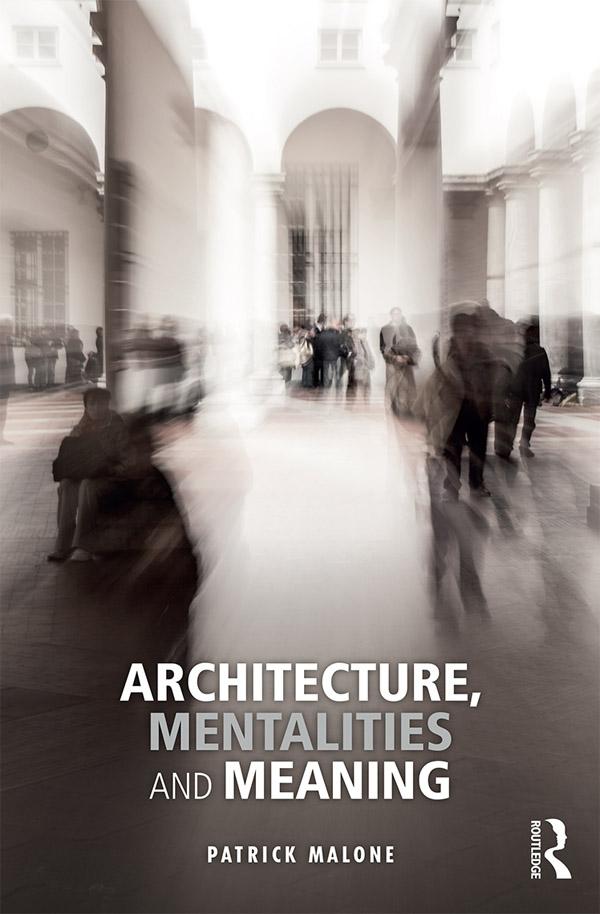
In order to function, architectural theory and practice must be shaped to suit current cultural, economic, and political forces. Thus, architecture embodies reductive logic that conditions the treatment of human and social processes – which raises the question of how to define objectivity for architectural mentalities that must conform to a set of immediate conditions.
This book focuses on meaning, and on the physical and mental processes that define life in built environments. The potential to draw knowledge from aesthetics, psychology, political economy, philosophy, geography, and sociology is offset by the fact that architectural logic is inevitably reductive, cultural, socio-economic, and political. However, despite the duty to conform, it is argued that the treatment of human processes, and the understanding of architectural mentalities, can benefit from interdisciplinary linkages, small freedoms, and cracks in a system of imperatives that can yield the means of greater objectivity.
This is valuable reading for students and researchers interested in architectural theory as a working reality, and in the relationships between architecture and other fields.
Płać wygodnie kartą, Klarną, Apple Pay lub Google Pay. Nie jesteś zadowolony? Zawsze masz 14-dniową gwarancję zwrotu pieniędzy. Więcej przeczytasz w naszych warunkach. Masz pytania? Napisz do nas na hello@memmo.org.
Memmo ułatwia naukę – gdziekolwiek jesteś na świecie. U nas znajdziesz podręczniki i sprytne narzędzia do nauki w jednym miejscu: streszczenia, quizy, podcasty i fiszki. A do tego Ted, Twój kumpel do nauki, który odpowie na wszystko, co Cię nurtuje. Ponad 50 000 studentów już tu się uczy – stworzone, byś uczył się szybciej i mniej stresował.