
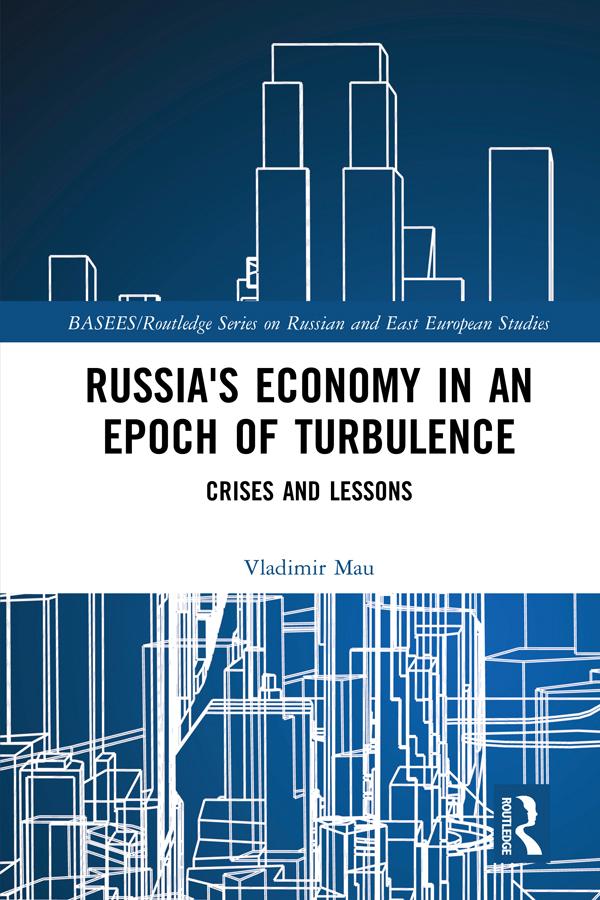
Over the course of the last thirty years post-communist Russia has either been struggling with crises, discussing the lessons learned from past crises, or attempting to trace the contours of future crises. Based on the author’s own experiences and his research over this long period, this book traces the logic of the development of the crises and the anti-crisis policies, and shows the continuity, or discontinuity, in determining particular solutions. It demonstrates how perceptions of the priorities for economic policy, and the problems of economic growth and the formation of a new model and its alternatives were formed and how they changed. It also outlines the evolution of ideas about the role of social politics and human capital sectors in addressing anti-crisis and modernization issues, and discusses the changing views on the institutional and structural priorities for Russia’s development. This is an important book on an economic subject of crucial global significance by a leading participant.
Płać wygodnie kartą, Klarną, Apple Pay lub Google Pay. Nie jesteś zadowolony? Zawsze masz 14-dniową gwarancję zwrotu pieniędzy. Więcej przeczytasz w naszych warunkach. Masz pytania? Napisz do nas na hello@memmo.org.
Memmo ułatwia naukę – gdziekolwiek jesteś na świecie. U nas znajdziesz podręczniki i sprytne narzędzia do nauki w jednym miejscu: streszczenia, quizy, podcasty i fiszki. A do tego Ted, Twój kumpel do nauki, który odpowie na wszystko, co Cię nurtuje. Ponad 50 000 studentów już tu się uczy – stworzone, byś uczył się szybciej i mniej stresował.