
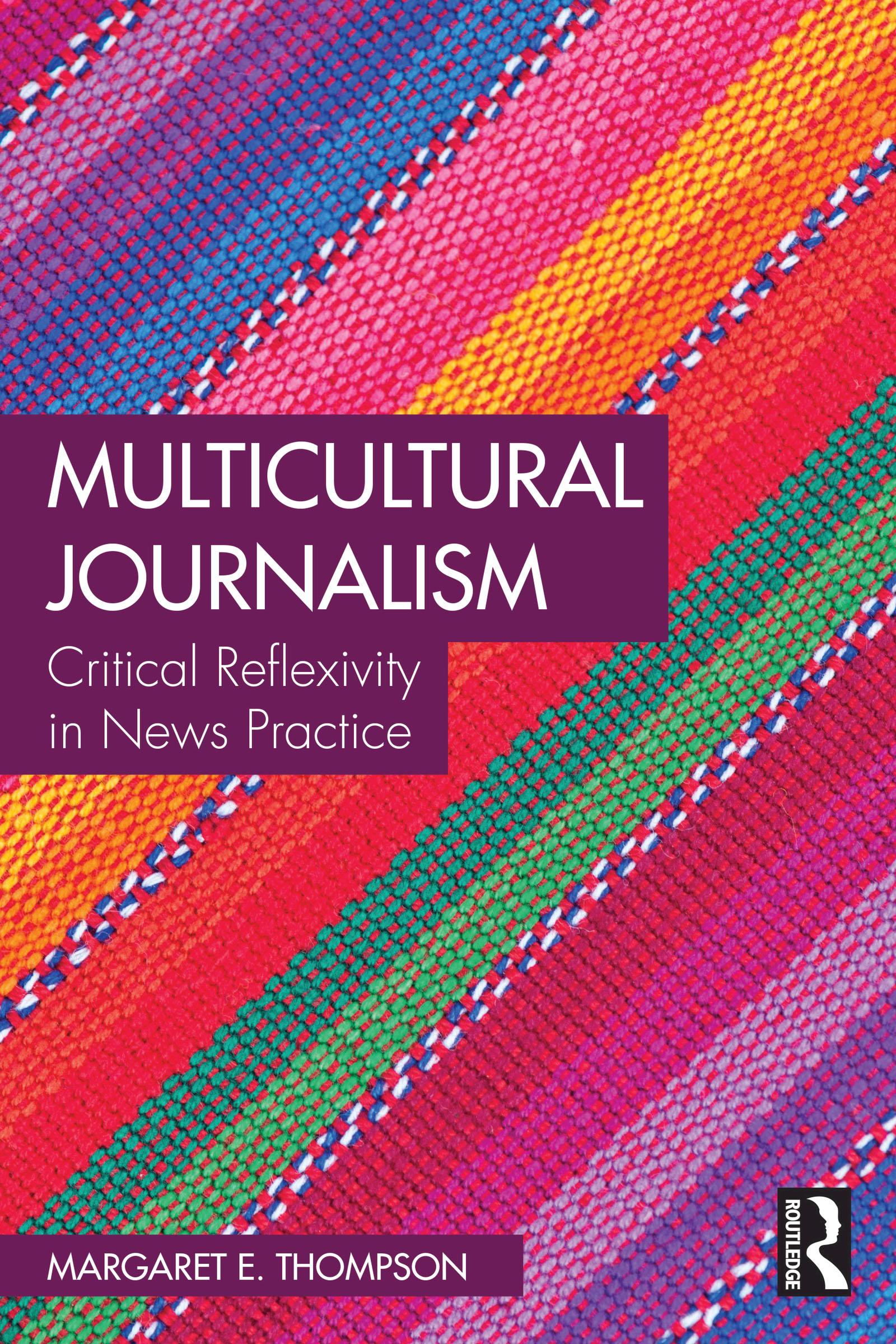
This book introduces a more collaborative and reflexive way of producing news that incorporates concepts of cultural identity and cultural positioning of both journalists and sources using a feminist approach to inclusion of all voices and perspectives.
This text proposes a feminist collaborative model of journalism that incorporates critical reflexivity, requiring journalists not only to be aware of their own cultural positionality but also that of their sources, as a means of producing more authentic and balanced news coverage. The model is intended for use by journalists as well as journalism education programs to educate future journalists on how to effectively serve audiences with scrupulously investigated, reported, and crafted stories. Chapters explore journalism during the Obama and Trump years, current journalistic trends, and alternative media, and feature topics such as fake news, racism, sexism in news production and content, and immigration and media. Thompson addresses issues of power and privilege amongst journalists and marginalized groups, and how these implicate power dynamics of journalism practice and reinforce social inequality, particularly relating to race and gender.
This book is ideal for advanced undergraduate and graduate students of journalism and media studies, as well as scholars, journalists, and media practitioners.
Płać wygodnie kartą, Klarną, Apple Pay lub Google Pay. Nie jesteś zadowolony? Zawsze masz 14-dniową gwarancję zwrotu pieniędzy. Więcej przeczytasz w naszych warunkach. Masz pytania? Napisz do nas na hello@memmo.org.
Memmo ułatwia naukę – gdziekolwiek jesteś na świecie. U nas znajdziesz podręczniki i sprytne narzędzia do nauki w jednym miejscu: streszczenia, quizy, podcasty i fiszki. A do tego Ted, Twój kumpel do nauki, który odpowie na wszystko, co Cię nurtuje. Ponad 50 000 studentów już tu się uczy – stworzone, byś uczył się szybciej i mniej stresował.