
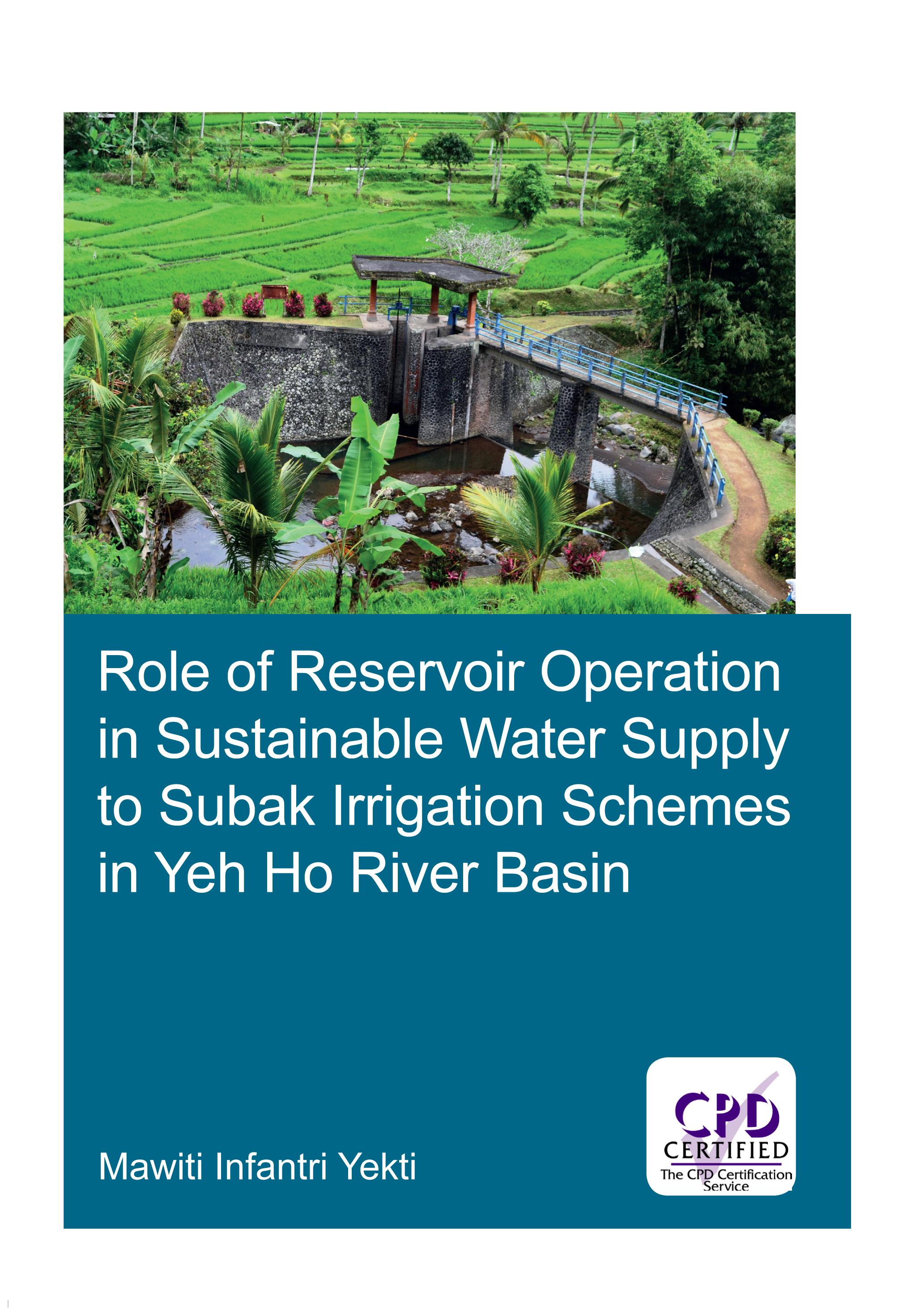
Quantitative research with respect to the combination of engineering and socialcultural- religious aspects based on the Tri Hita Karana philosophy in Subak irrigation schemes is original in the field of land and water development. A scenario analysis needs a good and careful system approach. Based on a Generic Algorithm the RIBASIM model was applied using the dependable 80% of discharge and shifting the start of land preparation. The results provide evidence that the cropping pattern of the fifth scenario results in an overall optimal agriculture production of the Subak schemes.
The recoverable flow considered in the river basin scheme model plays an important role in the optimisation. Nevertheless, if a normal hydro-climate occurs, the other scenarios, especially the first scenario, can be applied as well. When the indigenous knowledge of farmers is compromised with present day knowledge of agricultural and technological developments, capability of these farmers increases, thus reflects the applicability of the Tri Hita Karana philosophy on harmony among people and harmony among people and nature.
Płać wygodnie kartą, Klarną, Apple Pay lub Google Pay. Nie jesteś zadowolony? Zawsze masz 14-dniową gwarancję zwrotu pieniędzy. Więcej przeczytasz w naszych warunkach. Masz pytania? Napisz do nas na hello@memmo.org.
Memmo ułatwia naukę – gdziekolwiek jesteś na świecie. U nas znajdziesz podręczniki i sprytne narzędzia do nauki w jednym miejscu: streszczenia, quizy, podcasty i fiszki. A do tego Ted, Twój kumpel do nauki, który odpowie na wszystko, co Cię nurtuje. Ponad 50 000 studentów już tu się uczy – stworzone, byś uczył się szybciej i mniej stresował.