
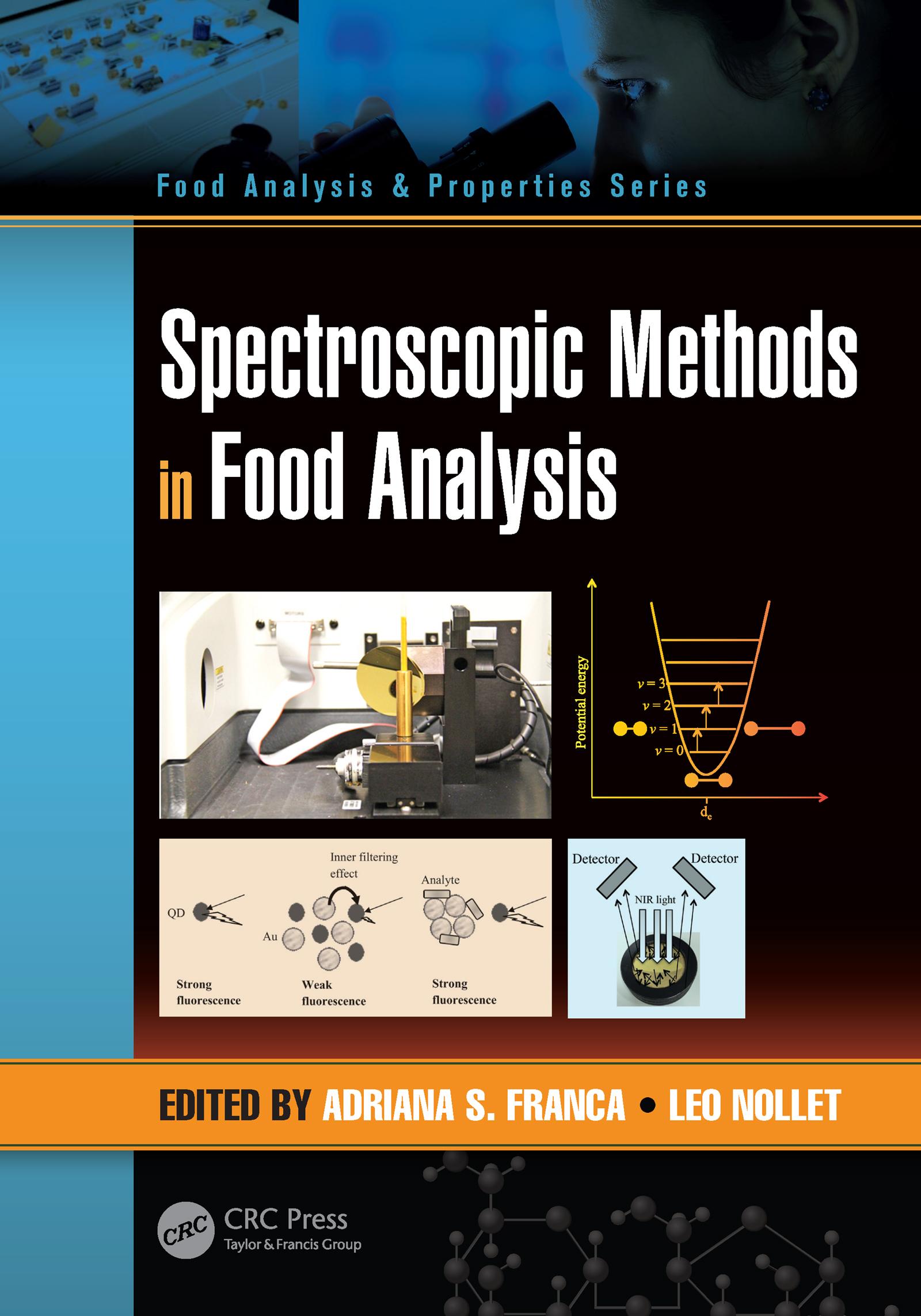
Given the inherent complexity of food products, most instrumental techniques employed for quality and authenticity evaluation (e.g., chromatographic methods) are time demanding, expensive, and involve a considerable amount of manual labor. Therefore, there has been an increasing interest in simpler, faster, and reliable analytical methods for assessing food quality attributes. Spectroscopic Methods in Food Analysis presents the basic concepts of spectroscopic methods, together with a discussion on the most important applications in food analysis.
The determination of product quality and authenticity and the detection of adulteration are major issues in the food industry, causing concern among consumers and special attention among food manufacturers. As such, this book explains why spectroscopic methods have been extensively employed to the analysis of food products as they often require minimal or no sample preparation, provide rapid and on-line analysis, and have the potential to run multiple tests on a single sample (i.e., non-destructive). This book consists of concepts related to food quality and authenticity, that are quite broad, given the different demands of the manufacturer, the consumer, the surveillance and the legislative bodies that ultimately provide healthy and safe products.
Płać wygodnie kartą, Klarną, Apple Pay lub Google Pay. Nie jesteś zadowolony? Zawsze masz 14-dniową gwarancję zwrotu pieniędzy. Więcej przeczytasz w naszych warunkach. Masz pytania? Napisz do nas na hello@memmo.org.
Memmo ułatwia naukę – gdziekolwiek jesteś na świecie. U nas znajdziesz podręczniki i sprytne narzędzia do nauki w jednym miejscu: streszczenia, quizy, podcasty i fiszki. A do tego Ted, Twój kumpel do nauki, który odpowie na wszystko, co Cię nurtuje. Ponad 50 000 studentów już tu się uczy – stworzone, byś uczył się szybciej i mniej stresował.