
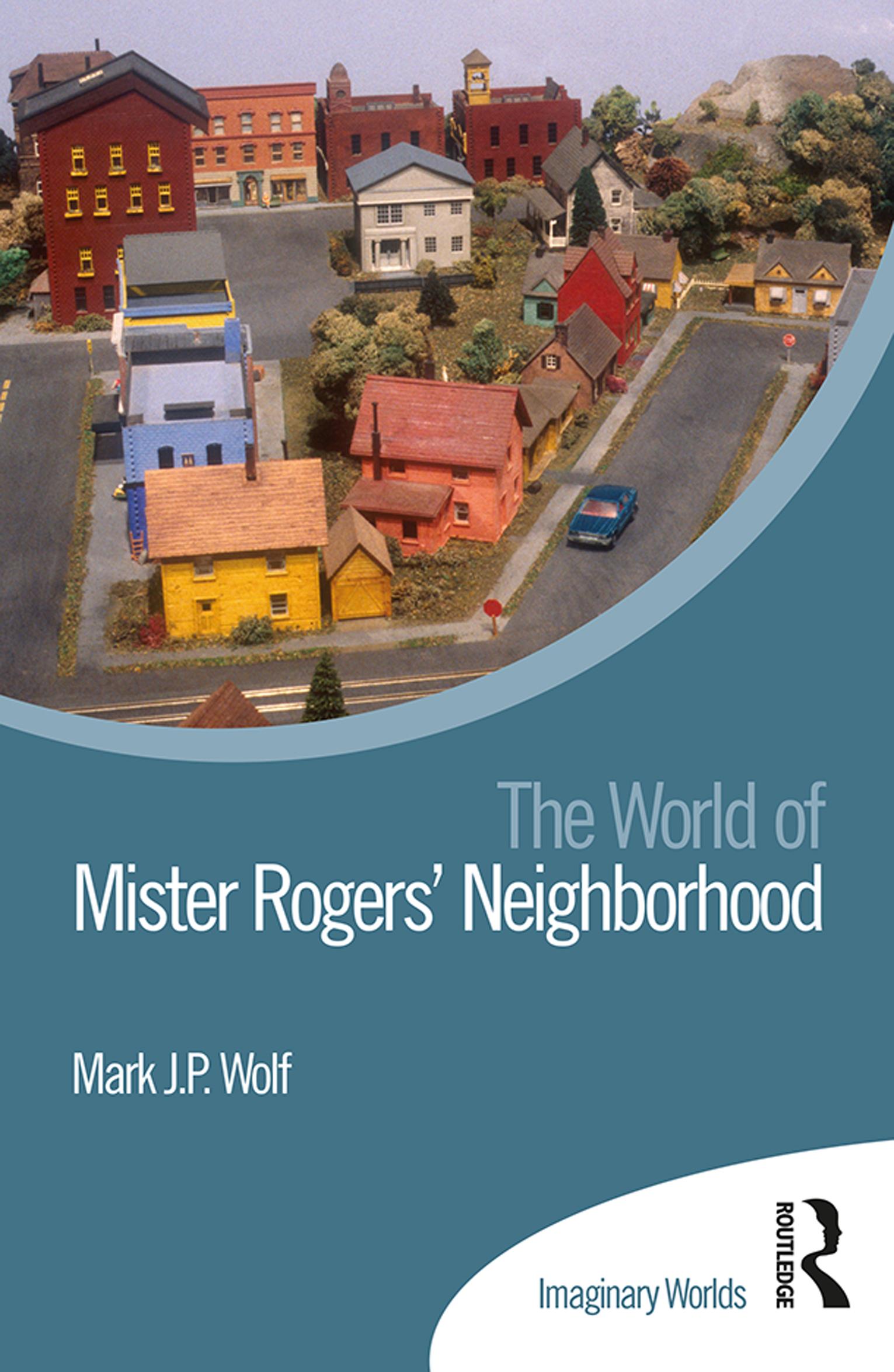
Unlike many children’s television shows, Mister Rogers’ Neighborhood did more than simply entertain or occupy children’s attention. The show educated them in the affective domain, encouraging such things as appreciation for difference, collaboration, self-expression, and self-worth. It also introduced them to the areas of culture, art, and music through guests, trips, art objects and processes, and demonstrations, making it accessible and meaningful in a way that a child could understand. While the educational content of children’s television programming has improved greatly since the late 1960s, no other children’s program has ever attempted such a mix of high art, low art, folk art, industrial production, learning in the affective and social domains, and more, all with a whimsical sense of humor, insight, and a level of interconnected detail unmatched by any other children’s television program. This book illuminates and examines the world of Mister Rogers' Neighborhood through world design, narrative, genre, form, content, authorship, reception and more.
Płać wygodnie kartą, Klarną, Apple Pay lub Google Pay. Nie jesteś zadowolony? Zawsze masz 14-dniową gwarancję zwrotu pieniędzy. Więcej przeczytasz w naszych warunkach. Masz pytania? Napisz do nas na hello@memmo.org.
Memmo ułatwia naukę – gdziekolwiek jesteś na świecie. U nas znajdziesz podręczniki i sprytne narzędzia do nauki w jednym miejscu: streszczenia, quizy, podcasty i fiszki. A do tego Ted, Twój kumpel do nauki, który odpowie na wszystko, co Cię nurtuje. Ponad 50 000 studentów już tu się uczy – stworzone, byś uczył się szybciej i mniej stresował.