
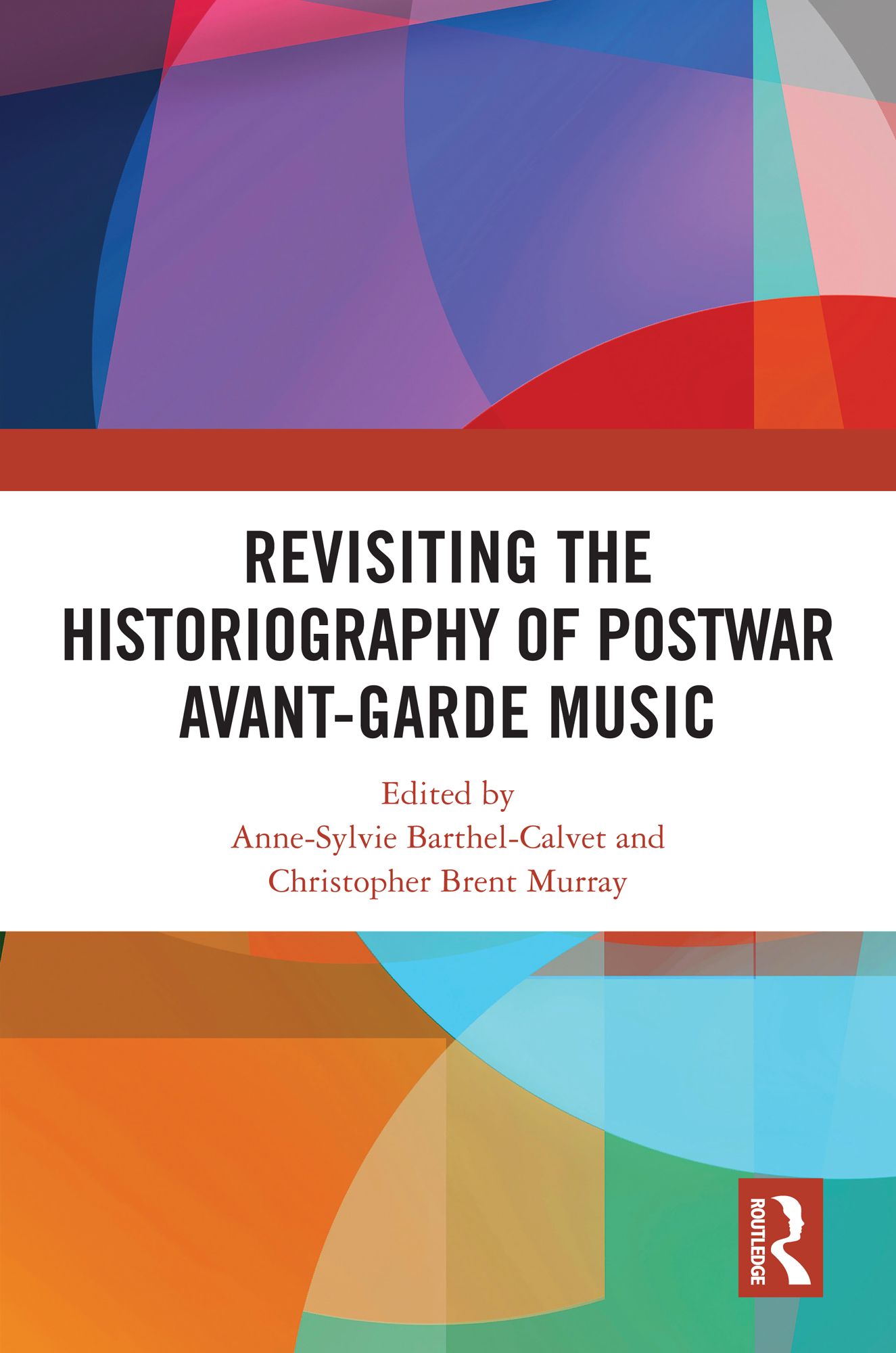
This collection of essays delves into the historiographical traditions that have dominated how the stories of European postwar avant-garde music are told, seeking to approach commonplaces of that history writing from new perspectives. The contributors revisit subjects as varied as the impact of long-playing records on the emergence of open works, Messiaen’s interest in non-European musical traditions, Xenakis’s turn to information theory, Kagel’s strategic invention of a new genre, Berio’s dependence on funding from American foundations, and the ways in which figures like Boulez, Stockhausen, Pousseur, and Nono constructed their musical ancestries. Leading experts in their respective fields, the volume’s authors have sought to rethink the historiography of European experimental music of the 1950s, 1960s, and 1970s in ways that resituate that small but influential milieu in broader historical and cultural contexts. In doing so, they suggest new directions and insights for students and specialists of twentieth-century music and music historiography.
Płać wygodnie kartą, Klarną, Apple Pay lub Google Pay. Nie jesteś zadowolony? Zawsze masz 14-dniową gwarancję zwrotu pieniędzy. Więcej przeczytasz w naszych warunkach. Masz pytania? Napisz do nas na hello@memmo.org.
Memmo ułatwia naukę – gdziekolwiek jesteś na świecie. U nas znajdziesz podręczniki i sprytne narzędzia do nauki w jednym miejscu: streszczenia, quizy, podcasty i fiszki. A do tego Ted, Twój kumpel do nauki, który odpowie na wszystko, co Cię nurtuje. Ponad 50 000 studentów już tu się uczy – stworzone, byś uczył się szybciej i mniej stresował.