
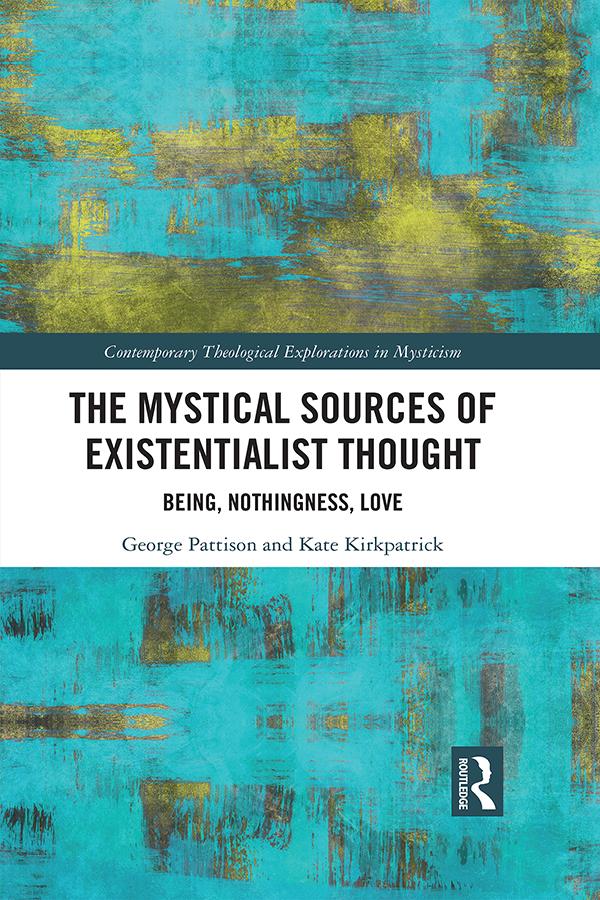
At the time when existentialism was a dominant intellectual and cultural force, a number of commentators observed that some of the language of existential philosophy, not least its interpretation of human existence in terms of nothingness, evoked the language of so-called mystical writers. This book takes on this observation and explores the evidence for the influence of mysticism on the philosophy of existentialism.
It begins by delving into definitions of mysticism and existentialism, and then traces the elements of mysticism present in German and French thought during the late nineteenth and early twentieth centuries. The book goes on to make original contributions to the study of figures including Kierkegaard, Buber, Heidegger, Beauvoir, Sartre, Marcel, Camus, Weil, Bataille, Berdyaev, and Tillich, linking their existentialist philosophy back to some of the key concerns of the mystical tradition.
Providing a unique insight into how these two areas have overlapped and interacted, this study is vital reading for any academic with an interest in twentieth-century philosophy, theology and religious studies.
Płać wygodnie kartą, Klarną, Apple Pay lub Google Pay. Nie jesteś zadowolony? Zawsze masz 14-dniową gwarancję zwrotu pieniędzy. Więcej przeczytasz w naszych warunkach. Masz pytania? Napisz do nas na hello@memmo.org.
Memmo ułatwia naukę – gdziekolwiek jesteś na świecie. U nas znajdziesz podręczniki i sprytne narzędzia do nauki w jednym miejscu: streszczenia, quizy, podcasty i fiszki. A do tego Ted, Twój kumpel do nauki, który odpowie na wszystko, co Cię nurtuje. Ponad 50 000 studentów już tu się uczy – stworzone, byś uczył się szybciej i mniej stresował.