
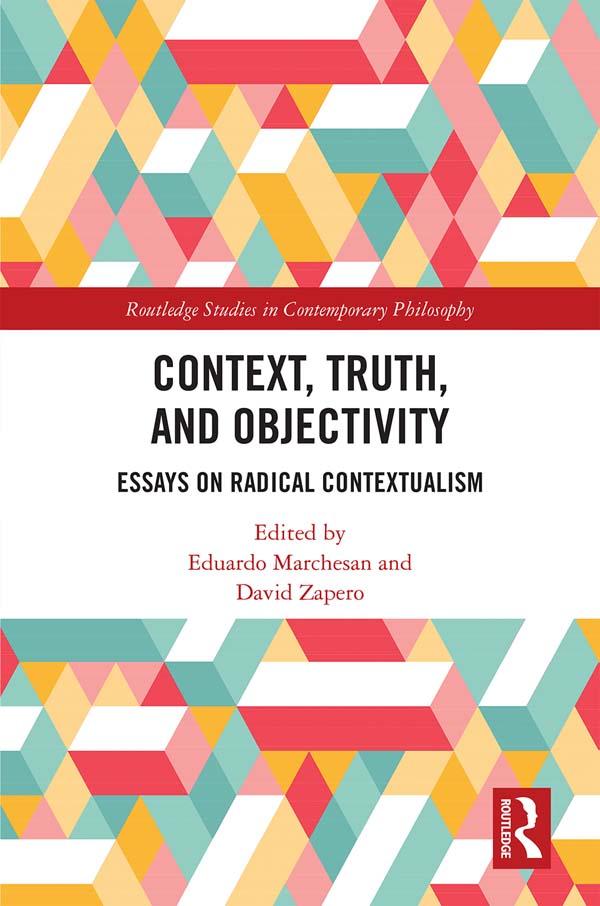
The claim according to which there is a categorial gap between meaning and saying – between what sentences mean and what we say by using them on particular occasions – has come to be widely regarded as being exclusively a claim in the philosophy of language. The present essay collection takes a different approach to these issues. It seeks to explore the ways in which that claim – as defended first by ordinary language philosophy and, more recently, by various contextualist projects – is grounded in considerations that transcend the philosophy of language. More specifically, the volume seeks to explore how that claim is inextricably linked to considerations about the nature of truth and representation. It is thus part of the objective of this volume to rethink the current way of framing the debates on these issues. By framing the debate in terms of an opposition between "ideal language theorists" and their semanticist heirs on the one hand and "communication theorists" and their contextualist heirs on the other, one brackets important controversies and risks obscuring the undoubtedly very real oppositions that exist between different currents of thought.
Płać wygodnie kartą, Klarną, Apple Pay lub Google Pay. Nie jesteś zadowolony? Zawsze masz 14-dniową gwarancję zwrotu pieniędzy. Więcej przeczytasz w naszych warunkach. Masz pytania? Napisz do nas na hello@memmo.org.
Memmo ułatwia naukę – gdziekolwiek jesteś na świecie. U nas znajdziesz podręczniki i sprytne narzędzia do nauki w jednym miejscu: streszczenia, quizy, podcasty i fiszki. A do tego Ted, Twój kumpel do nauki, który odpowie na wszystko, co Cię nurtuje. Ponad 50 000 studentów już tu się uczy – stworzone, byś uczył się szybciej i mniej stresował.