
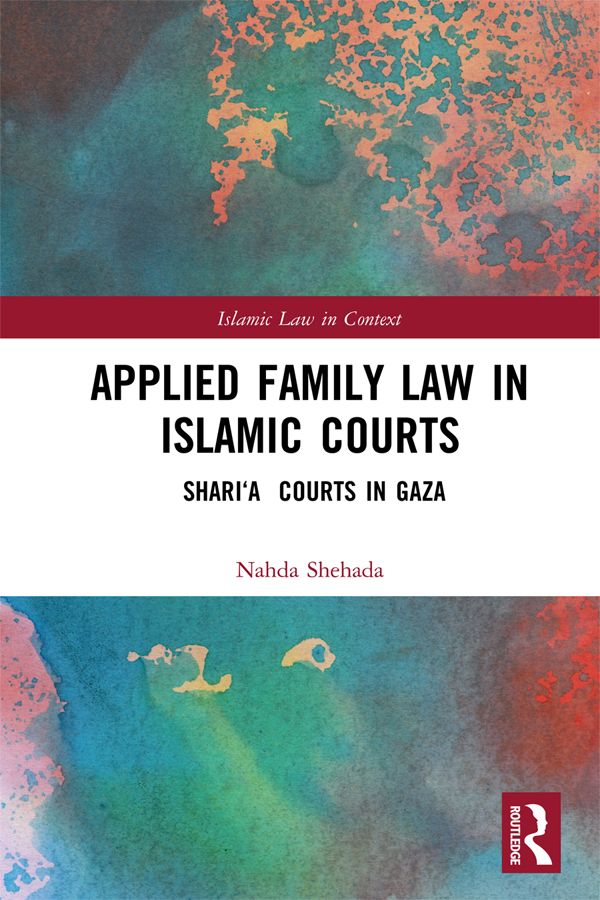
Written from an ethnographic perspective, this book investigates the socio-legal aspects of Islamic jurisprudence in Gaza-Palestine. It examines the way judges, lawyers and litigants operate with respect to the law and with each other, particularly given their different positions in the power structure within the court and within society at large. The book aims at elucidating ambivalences in the codified statutes that allow the actors to find practical solutions to their (often) legally unresolved problems and to manipulate the law. The book demonstrates that present-day judges are not only confronted with novel questions they have to find an answer to, but, perhaps more importantly, they are confronted with contradictions between the letter of codified law and their own notions of justice. The author reminds us that these notions of justice should not be set a priori; they are socially constructed in particular time and space.
Making a substantial contribution to a number of theoretical debates on family law and gender, the book will appeal to both academic and non-academic readers alike.
Płać wygodnie kartą, Klarną, Apple Pay lub Google Pay. Nie jesteś zadowolony? Zawsze masz 14-dniową gwarancję zwrotu pieniędzy. Więcej przeczytasz w naszych warunkach. Masz pytania? Napisz do nas na hello@memmo.org.
Memmo ułatwia naukę – gdziekolwiek jesteś na świecie. U nas znajdziesz podręczniki i sprytne narzędzia do nauki w jednym miejscu: streszczenia, quizy, podcasty i fiszki. A do tego Ted, Twój kumpel do nauki, który odpowie na wszystko, co Cię nurtuje. Ponad 50 000 studentów już tu się uczy – stworzone, byś uczył się szybciej i mniej stresował.