
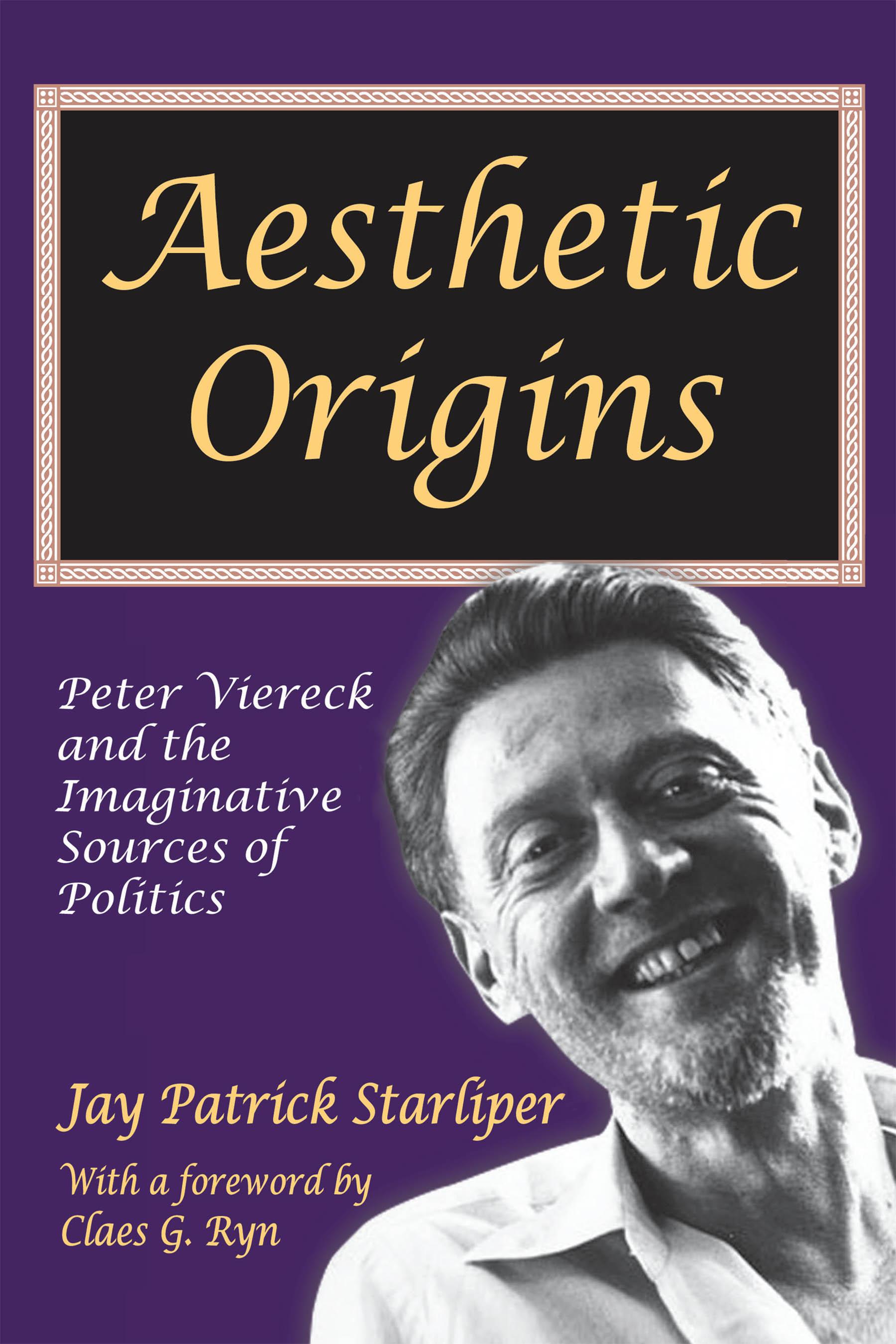
While it is gaining in academic prominence, discussion of the imagination is too often neglected. Society is dangerously unaware of the intimate relationship between culture and politics, ethics and aesthetics. Challenging this, Jay Patrick Starliper examines the imagination through the lens of the work of Peter Viereck and other likeminded thinkers. The result is a philosophical deconstruction that demonstrates why books are bullets.In 1941, before Nazi barbarism was public knowledge, a young Peter Viereck published Metapolitics: From Wagner and the German Romantics to Hitler. In it, Viereck attacked the diabolical spiritual foundations of National Socialism. He made the ostensibly absurd claim that a certain shade of romanticism was the ethical foundation of a German revolt against decency. According to Viereck, Nazism was the culmination of over a century and a half of bad culture, the result of an idyllic imagination. Starliper warns that the same diseased imagination that culminated in gas chambers and guillotines is subtly affecting the way millions of people view the world today and that, without the inspiration of an elevated aesthetic, civilization will not survive.In the spirit of Edmund Burke and Irving Babbitt, Viereck's insight into the ethical and political force of aesthetics provides a much needed critique of contemporary civilization.
Płać wygodnie kartą, Klarną, Apple Pay lub Google Pay. Nie jesteś zadowolony? Zawsze masz 14-dniową gwarancję zwrotu pieniędzy. Więcej przeczytasz w naszych warunkach. Masz pytania? Napisz do nas na hello@memmo.org.
Memmo ułatwia naukę – gdziekolwiek jesteś na świecie. U nas znajdziesz podręczniki i sprytne narzędzia do nauki w jednym miejscu: streszczenia, quizy, podcasty i fiszki. A do tego Ted, Twój kumpel do nauki, który odpowie na wszystko, co Cię nurtuje. Ponad 50 000 studentów już tu się uczy – stworzone, byś uczył się szybciej i mniej stresował.
Może Ci się spodobać
Kup książkę0