
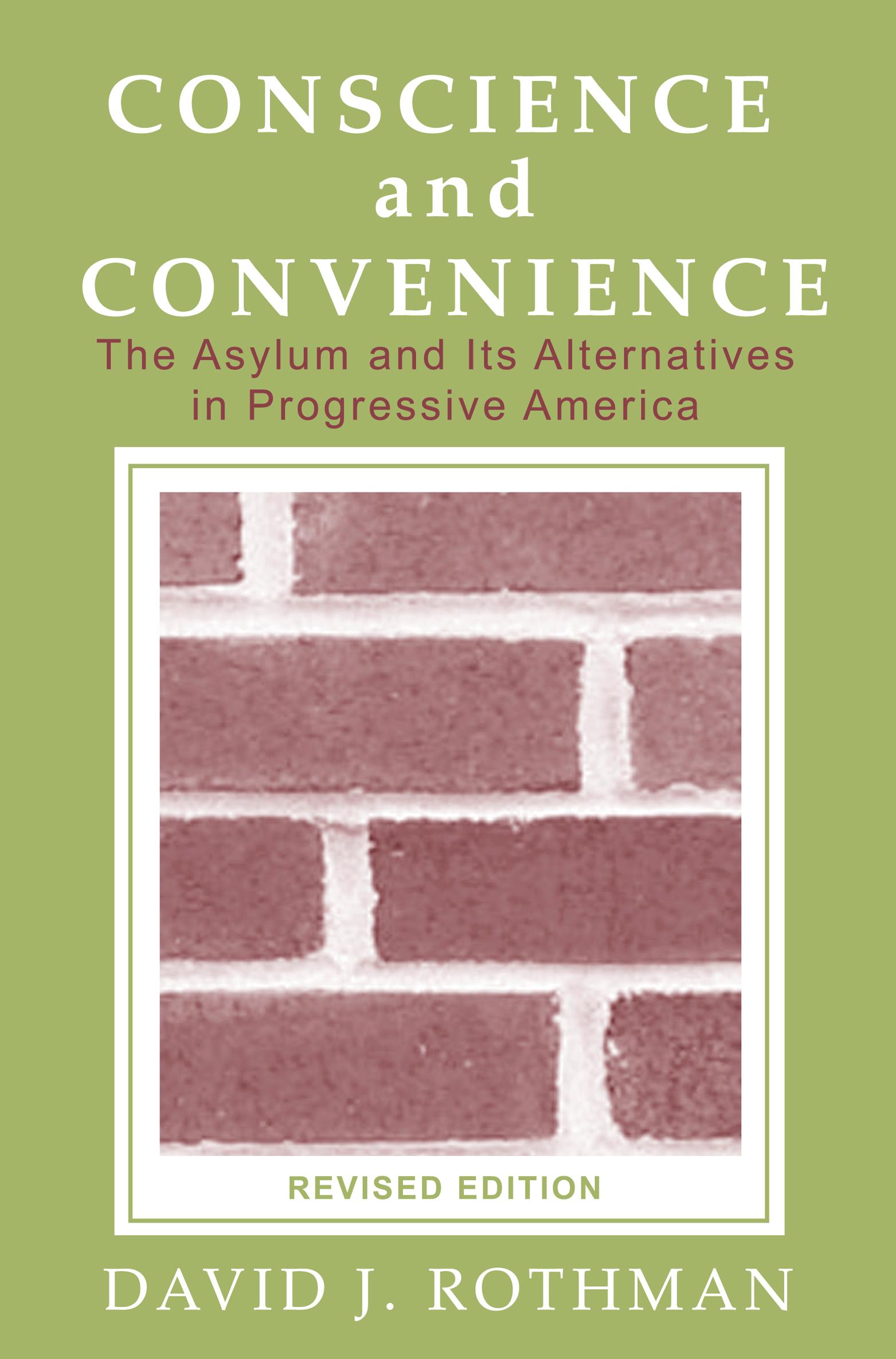
Conscience and Convenience was quickly recognized for its masterly depiction and interpretation of a major period of reform history. This history begins in a social context in which treatment and rehabilitation were emerging as predominant after America's prisons and asylums had been broadly acknowledged to be little more than embarrassing failures. The resulting progressive agenda was evident: to develop new, more humane and effective strategies for the criminal, delinquent, and mentally ill. The results, as Rothman documents, did not turn out as reformers had planned.
For adult criminal offenders, such individual treatment could be accomplished only through the provision of broad discretionary authority, whereby choices could be made between probation, parole, indeterminate sentencing, and, as a measure of last resort, incarceration in totally redesigned prisons. For delinquents, the juvenile court served as a surrogate parent and accelerated and intensified individual treatment by providing for a series of community-based individual and family services, with the newly designed, school-like reformatories being used for only the most intractable cases. For the mentally ill, psychiatrists chose between outpatient treatments, short-term intensive care, or as last resort, long-term care in mental hospitals with new cottage and family-like arrangements. Rothman shows the consequences of these reforms as unmitigated disasters. Despite benevolent intentions, the actual outcome of reform efforts was to take the earlier failures of prisons and asylums to new, more ominous heights.
In this updated edition, Rothman chronicles and examines incarceration of the criminal, the deviant, and the dependent in U.S. society, with a focus on how and why these methods have persisted and expanded for over a century and a half despite longstanding evidence of their failures and abuses.
Płać wygodnie kartą, Klarną, Apple Pay lub Google Pay. Nie jesteś zadowolony? Zawsze masz 14-dniową gwarancję zwrotu pieniędzy. Więcej przeczytasz w naszych warunkach. Masz pytania? Napisz do nas na hello@memmo.org.
Memmo ułatwia naukę – gdziekolwiek jesteś na świecie. U nas znajdziesz podręczniki i sprytne narzędzia do nauki w jednym miejscu: streszczenia, quizy, podcasty i fiszki. A do tego Ted, Twój kumpel do nauki, który odpowie na wszystko, co Cię nurtuje. Ponad 50 000 studentów już tu się uczy – stworzone, byś uczył się szybciej i mniej stresował.